3 Local Business Optimization Fixes to Stop 2026 Traffic Drops
Elevating Small Business Visibility Through Strategic Google Business Optimization
In the rapidly evolving landscape of local search, small shops face unprecedented challenges and opportunities to carve out competitive visibility. Expertise in SEO for local business and professional local SEO has transitioned from peripheral tactics to core business mandates, especially as AI-driven search and zero-click phenomena reshape user interactions. Recognizing these shifts, small retailers must adopt nuanced, data-driven strategies that prioritize relevance, trust, and technical finesse to sustain traffic amid increasing digital complexity.
How can small shops leverage semantic SEO and AI trends to outrank larger competitors in 2024?
Advanced local SEO techniques focus on integrating semantic search signals, optimizing for intent, and maintaining a cohesive online presence. Crucially, small business owners need to understand and implement emerging Google Business profile features, such as AI-responsive attributes and local pack ranking signals, which necessitate a deep technical and content mastery.
Decoding the Role of Structured Data and User Engagement in Local Rankings
Utilizing structured data markup, from local business schemas to review aggregations, enhances the way search engines interpret your shop’s online footprint. This aspires to convert traditional keyword-centric tactics into layered, contextually rich signals that boost prominence. Furthermore, engagement metrics like review velocity, question handling, and local backlinks serve as credibility signals, directly impacting your visibility in Google My Business and local search interfaces.
Harnessing the Power of Voice Search and Zero-Click Search Growth
The ascent of voice assistants and zero-click results compels small retailers to craft content that aligns with conversational queries and featured snippets. Expert applications include optimizing FAQ sections, employing long-tail questions, and maintaining consistent NAP (Name, Address, Phone Number) data. Recognizing the nuances of voice-optimized content not only addresses current demand but also prepares your shop for the AI-infused search landscape of 2026.
Can You Maintain Local SEO Resilience in the Face of Algorithmic Shifts?
Ensuring stability involves continuous audit practices, competitor analysis, and proactive engagement with new Google features. For instance, staying updated with the latest Google Maps algorithms sheds light on potential visibility hurdles. Regularly updating your profile, cultivating genuine reviews, and diversifying local listings safeguard your presence against unpredictable fluctuations.
To deepen your strategic knowledge, explore related comprehensive guides or contribute your insights on effective local SEO practices. Harnessing expert-level understanding of these elements provides a foundation for sustained success amidst 2024’s complex search ecosystem.
Adapting Your Local SEO Approach for Maximum Impact
In today’s hyper-competitive local search environment, small retailers must go beyond basic optimization tactics to truly stand out. Leveraging advanced strategies such as hyper-local content creation, voice search optimization, and personalized user engagement can significantly enhance visibility. For instance, crafting community-focused blog posts or event pages can resonate more deeply with local audiences, boosting relevance and ranking signals.
Optimizing for Voice Search and Conversational Queries
With the exponential rise of voice assistants like Siri, Alexa, and Google Assistant, tailoring your content for conversational search is no longer optional. Incorporate long-tail questions and natural language phrases into your FAQs and product descriptions. This not only caters to voice-enabled devices but also aligns with emerging AI search trends, ensuring your small shop remains competitive in the evolving digital landscape. For detailed insights, see professional local SEO tactics.
How can small shops harness AI-driven insights to refine their local SEO strategies?
Integrating AI-powered analytics tools allows small businesses to decipher complex consumer behavior patterns, optimize keyword targeting, and personalize user experiences. These insights help prioritize high-intent search terms, identify new opportunity areas, and adapt swiftly to search algorithm updates. Embracing AI not only enhances tactical precision but also future-proofs your local SEO efforts against rapid technological shifts.
Implementing a Continuous Optimization Cycle for Local Success
Staying ahead requires a disciplined iteration process: regularly auditing your Google Business profile, monitoring local ranking fluctuations, and updating your schema markup. Additionally, fostering genuine reviews and actively engaging with customer questions amplify your credibility and relevance in local packs. To deepen your optimization framework, explore comprehensive local SEO campaigns that integrate these dynamic elements.
Thinking of scaling your shop’s local visibility? Share your experiences or ask industry experts for tailored advice in the comments below. For a deeper dive into the latest innovations, consider reviewing the expert resources and guides on mastering local SEO in 2024.
Harnessing Intent-Driven Content for Local Authority
In the quest for local visibility, understanding and implementing intent-driven content strategies can serve as the cornerstone of dominance. It’s no longer sufficient to optimize for generic keywords; instead, small shops must craft content that directly addresses nuanced customer needs and latent queries. This involves performing in-depth keyword intent analysis using advanced tools such as SEMrush’s Keyword Intent Module or Google’s own People Also Ask data insights, enabling precise targeting of high-conversion queries that competitors might overlook.
What role do advanced semantic clusters play in outranking larger entities in local search?Learn more about semantic clustering techniques here
Semantic clusters tie related keywords and topics into cohesive themes, establishing topical authority and reinforcing relevance signals. By structuring your website content into interconnected clusters—each centered around a main hub page—you enhance your site’s semantic depth. This approach aligns with recent Google updates emphasizing entity salience and contextual relationships.
Integrating AI-Powered Data for Navigating Local Market Shifts
Artificial Intelligence tools like Crayon or HubSpot’s Marketing Hub provide real-time insights into local market dynamics, consumer sentiment, and competitor movements. These platforms analyze vast datasets, unveiling emerging trends before they become widespread, allowing proactive pivots in your SEO and marketing strategies. Moreover, AI-driven sentiment analysis can gauge customer feedback and reviews, informing reputation management efforts aligned with SEO enhancements.
Visualize how AI analytics platforms map local market fluctuations and consumer sentiment in real time, providing actionable insights for small business growth.
Maximizing Schema Markup with Rich Data for Enhanced Local Listings
While basic schema markup boosts search engine comprehension, employing rich data types like EventSchema, ProductSchema, or FAQPageSchema enhances your shop’s appearance in local packs and rich snippets. These elements not only improve click-through rates but also signal engagement and customer focus to search algorithms. Implementing comprehensive schema requires meticulous validation using tools like Google’s Structured Data Testing Tool or the new Rich Results Test, ensuring your markup is both accurate and effective.
The Power of Hyper-Localized Content and Community Engagement
Crafting hyper-local content—such as spotlighting local events, featuring community stories, or highlighting regional specialties—can significantly impact your local SEO. These efforts cultivate community trust and increase local citations, vital ranking factors. Furthermore, engaging with community platforms like Nextdoor or local Facebook groups can foster authentic connections, resulting in natural backlinks and user-generated content that reinforce your online authority.
Addressing the Challenges of Voice Search Optimization in Niche Markets
Voice search presents unique hurdles, especially in niche markets with specialized terminology. Optimizing for these queries entails integrating natural language processing (NLP) techniques into your content and accurately modeling Conversational FAQs. Analyzing voice search queries via tools like Answer the Public or Voice Search Optimization by Moz can reveal patterns, enabling your content to answer complex, multi-part questions effectively. Advanced optimization also involves maintaining consistent Name, Address, Phone Number (NAP) data across all voice-compatible listings—all critical for accuracy and trustworthiness.
Harness the Hidden Power of LSI Keywords for Supercharged Local Authority
Beyond traditional keyword targeting, leveraging latent semantic indexing (LSI) keywords can dramatically enhance your shop’s topical relevance and search engine trustworthiness. Integrating contextually related terms into your content not only amplifies keyword diversity but also aligns your site with nuanced user intent, a strategy advocated by SEMrush’s industry-leading research on semantic optimization.
How can advanced LSI strategies elevate your local rankings against larger players?
By conducting comprehensive semantic analysis and incorporating LSI keywords naturally into product descriptions and service pages, small businesses can forge stronger topical clusters. This sophisticated approach signals to Google that your content thoroughly addresses user needs, fostering higher rankings and authority within niche local markets.
Implementing Voice-Activated Schema to Capture the Growing Conversational Search Market
Adoption of voice-activated schema markup enables your business to seamlessly appear in vocal search results, which are on the rise due to the proliferation of smart speakers and voice assistants. Implementing specialized schemas like Speakable and enhancing FAQ schemas can make your content more accessible to voice queries, as emphasized by Google’s core updates on structured data utilization.
What technical steps are essential to adapt your schema markup for vocal intent?
This involves auditing existing schemas, integrating Speakable markup for key content sections, and ensuring your voice responses are concise, authoritative, and reflect current offerings. Regular validation with Google’s schema testing tools guarantees your markup remains compliant and effective amid evolving standards.
Leverage Micro-Moments to Cement Local Relevance in Real Time
Google’s shift towards capturing micro-moments—critical touchpoints where consumers turn to their devices for immediate answers—necessitates embedding contextually rich, micro-moment-friendly content into your local SEO strategy. By preemptively addressing users’ informational intents during these brief windows, small shops can drastically increase conversion likelihood and enhance local visibility.
How can you optimize content for immediacy and contextual relevance?
This entails creating hyper-localized landing pages, neighboring city guides, and time-sensitive offers that directly respond to common micro-moments, such as ‘nearest coffee shop open now’ or ‘best gift shop for Christmas’. Implementing structured data for local events and operating hours further triggers precise responses in voice and local search results.
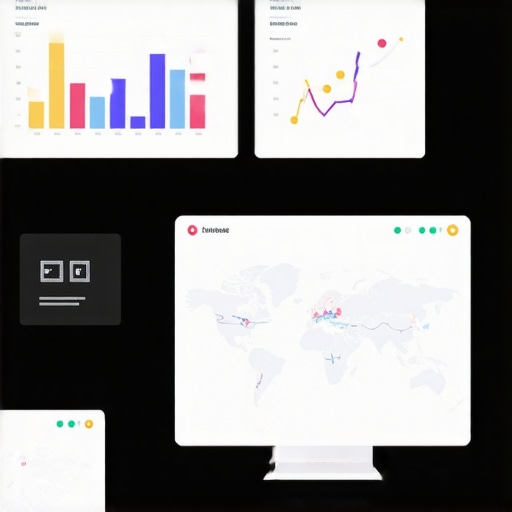
Visualize a map highlighted with micro-moment search interactions, displaying immediate local answers configured through advanced schema markup.
Adopt a Data-Driven Approach Using Advanced Analytics Tools
Modern SEO demands leveraging sophisticated analytics platforms like BrightLocal, Whitespark, and Local Falcon to generate granular insights into local search performance. These tools enable precise tracking of rankings, citations, and review sentiment, facilitating strategic adjustments that align with real-time market shifts and algorithm updates, as elucidated by Moz’s authoritative guidelines on local SEO analytics.
How can proactive data analysis redefine your local outreach efforts?
By continuously monitoring and interpreting local engagement metrics, you can identify emerging opportunities, rectify visibility gaps, and tailor your content and outreach campaigns with surgical precision, ensuring sustained dominance in your niche.
Expert Insights & Advanced Considerations
Prioritize E-A-T to Boost Local Authority
Establishing expertise, authority, and trust (E-A-T) within your local niche is crucial. This involves sharing localized expertise through authentic content, securing authoritative backlinks, and maintaining consistent, accurate NAP data to demonstrate credibility to search engines.
Leverage Visual Content for Increased Engagement
High-quality images, virtual tours, and short videos not only enrich user experience but also enhance your Google Business profile. Visual content can improve click-through rates and foster community trust, positioning your shop as an engaging local authority.
Harness Hyper-Local Community Signals
Engage actively with local online communities, sponsor local events, and participate in regional forums. These efforts generate valuable local citations and backlinks that reinforce your presence within your geographic niche, signaling relevance to search engines.
Prioritize Mobile-First Optimization in Your Strategy
With mobile searches dominating local queries, ensuring your website, Google My Business profile, and localized content are optimized for mobile devices is vital. Fast-loading, user-friendly mobile experiences directly influence your local search rankings.
Facilitate Voice Search Readiness
Develop naturally conversational FAQ content and optimize for long-tail, voice-friendly queries. Aligning your content with voice search patterns positions your shop ahead in this rapidly growing search frontier.
Curated Expert Resources
- BrightLocal’s Local SEO Guide: Offers comprehensive techniques for local citation building, review acquisition, and measuring success. It’s essential for mastering nuanced strategies that amplify visibility.
- Google’s Structured Data Resources: Provides detailed instructions on implementing schema markup for local businesses, events, and products—key for rich snippets and enhanced local listings.
- Moz’s Local Search Optimization Articles: Shares insights into local ranking factors, reputation management, and tactical improvements tailored for small shops competing in specific geographic markets.
- Semrush’s Local SEO Toolkit: Equips you with advanced keyword research, competitor analysis, and semantic clustering techniques to dominate hyper-local niches.
Reframe Your Approach to Local Visibility
Achieving dominance in local search demands a nuanced, proactive mindset. From amplifying your authority through hyper-local content and visual storytelling to integrating structured data and community signals, every move must be deliberate. AI-driven insights and a mobile-first approach elevate your strategic agility, ensuring your small business not only survives but thrives amid fierce competition. Dive deeper into these strategies and share your insights—your journey toward local search mastery begins now. For further reading, explore proven SEO tips for small retailers or leverage the effective local SEO techniques designed specifically for small shops.
This post offers a comprehensive overview of strategic optimization for local businesses, and I appreciate how it emphasizes the importance of evolving with AI and voice search trends. From my experience running a boutique, I found that hyper-local content creation, like focusing on regional events or local stories, genuinely boosts engagement and builds community trust. One challenge I’ve faced is maintaining consistent schema markup, especially for events and FAQs, as Google’s standards keep evolving. Have others found effective tools or processes to streamline schema validation and updates? It seems vital to stay ahead, given how quickly local search algorithms shift, but keeping it manageable can be tricky. I also wonder about balancing content creation for voice search with traditional SEO efforts—what’s worked best for folks? Overall, this push toward data-driven, community-focused strategies really resonates, and I’d love to hear more about how small shops are successfully integrating these advanced AI insights into their daily marketing routines.
Reading this detailed overview gave me a lot to consider for my own small retail store. The emphasis on leveraging structured data and AI tools to stay ahead of algorithm changes really caught my attention. I’ve been experimenting with Google’s Business Profile updates, especially using review management and Q&A sections, but I admit that keeping all schema markup consistent across platforms remains a challenge. Does anyone have recommendations for user-friendly tools that streamline schema validation and updates? Also, I’m curious about balancing efforts between optimizing for voice search and traditional SEO. In my experience, creating conversational FAQ content has helped with voice, but I wonder if that’s enough to compete with larger competitors who have dedicated SEO teams. It seems essential to adopt a well-rounded strategy that combines community engagement, hyper-local content, and technical SEO — what strategies have others found most effective in integrating these elements consistently? I’d love to hear insights from small business owners who’ve successfully navigated this complex landscape.