4 Google Business SEO Tricks to Drive 2026 Shop Calls
Leveraging Advanced Local SEO: The Critical Edge for Small Retailers in 2026
As the landscape of local digital marketing evolves rapidly, small shops must transcend basic SEO tactics to secure a competitive advantage. Implementing sophisticated local SEO strategies, particularly those tailored for Google Business optimization, becomes essential. The shift towards hyper-local search demands nuanced understanding of how semantic search, AI integration, and behavioral analytics influence visibility, and the ability of local businesses to adapt accordingly.
How Deep Semantic Optimization Transforms Small Business Visibility
Semantic SEO has redefined how search engines interpret small shop listings. By embedding latent semantic indexing keywords naturally into business descriptions, services, and customer reviews, local retailers enhance relevancy signals. For instance, a boutique clothing store can integrate niche terms such as “artisan fashion” and “sustainable Apparel” to align with emerging search intents, thus capturing targeted, high-value traffic. Recognizing the importance of structured data markup, such as schema.org, further amplifies these signals and facilitates enhanced listings in local pack results.
Harnessing AI and Voice Search for Local Dominance
The proliferation of AI-powered search, notably voice assistants, significantly influences local search behaviors in 2026. Small shops that optimize for voice queries—focused on natural language and conversational phrasing—gain an edge in capturing near-me searches. Deploying structured FAQ content that anticipates questions like, “Where can I find the best handmade jewelry nearby?” aligns with this trend. These tactics extend beyond traditional keyword stuffing, emphasizing context and user intent, as supported by recent findings in the importance of context in AI search.
Implementing Local Map Optimization with Precision
Beyond Google My Business (GMB) profiles, small retailers should focus on precise map data management. This involves auditing and correcting NAP (Name, Address, Phone) inconsistencies, optimizing Google Maps categories, and engaging with local community signals. Employing proximity-based keywords and leveraging local backlink profiles contribute to improved positional accuracy and visibility in map searches, which directly correlates with foot traffic and conversions.
What Are the Most Overlooked Factors in Regional SEO Success?
What technical gaps prevent smaller shops from ranking higher locally?
Often, overlooked technical issues such as unoptimized site speed, mobile responsiveness, and incomplete local citations impede ranking potential. A comprehensive technical SEO audit—focused on these core elements—combined with consistent review management, ensures that local search efforts yield maximum results. This entails not only fixing map data errors but also aligning on-site content with localized schema and user experience optimization.
To stay ahead in 2026, small shops must integrate these advanced local SEO tactics into a cohesive strategy. Targeted content marketing, AI integration, and meticulous data management form the pillars of sustained visibility and growth. For further insights, explore comprehensive Google Business SEO tactics.
Engaging with expert communities and continuously refining these strategies is essential for adapting to the dynamic search environment. Contributions from local business owners and SEO practitioners can provide nuanced perspectives, fostering innovation and resilience in local digital marketing.
Transforming Local Engagement Through Personalization and Data Insights
Harnessing data analytics allows small shops to tailor their marketing strategies with pinpoint accuracy. By analyzing customer behaviors, preferences, and search patterns, entrepreneurs can craft hyper-targeted content and offers that resonate deeply with local audiences. For example, integrating loyalty program data and online reviews can reveal emerging trends, enabling shops to proactively adapt their service offerings or messaging. Such personalization isn’t just about marketing—it’s about creating community-centric experiences that foster loyalty and advocacy.
Could Strategic Use of Niche Keywords and Local Content Shift the SEO Game?
In 2026, the importance of niche, long-tail keywords becomes more pronounced. Rather than competing solely on broad terms, small businesses should identify unique local queries aligned with their specialized products or services. Creating blog posts, guides, or video content that address specific community interests—like “Eco-friendly Packaging Supplies for Sacramento Retailers”—can significantly boost relevant traffic. As search engines increasingly prioritize contextual relevance, developing rich, locally focused content elevates a shop’s authority and visibility in competitive markets.
Optimizing for the Next Generation of Map-Based Search Features
The evolution of map search results into immersive, AR-enhanced experiences impacts local visibility profoundly. Small shops should explore integrating augmented reality elements or virtual tours into their Google My Business profiles, making their storefronts more engaging and discoverable within new map interfaces. Ensuring that every visual element—photos, interior scans, or 3D models—is optimized for fast loading and high quality is essential. Staying ahead in this space requires embracing innovative map marketing techniques that appeal to tech-savvy, mobile-first consumers.
How Can Local Retailers Build Resilience Against Algorithm Shifts?
One often-underestimated factor is diversifying traffic sources. While ranking high on Google Maps and local packs is critical, leveraging social media platforms, community forums, and email marketing creates a layered visibility strategy. Maintaining consistent citation accuracy and actively engaging with reviews enhances trust signals that algorithms favor—reducing dependency on a single traffic channel. For in-depth guidance, see the comprehensive Google Business SEO guide, which offers actionable frameworks to withstand algorithm fluctuations.
If you found these insights valuable, consider sharing your experiences or questions in the comments below. Collaborating with fellow local business owners can unlock new strategies and foster a resilient, growth-oriented community.
Seizing the Advantage with Local Content Personalization
To truly dominate local search results, small retailers must craft hyper-targeted content that resonates deeply with their community’s unique interests. This involves leveraging local event calendars, cultural trends, and regional stories to build relevance and foster community loyalty. By integrating personalized narratives, testimonials from local customers, and neighborhood-centric visuals, businesses can position themselves as integral parts of their community fabric. This approach boosts engagement metrics, enhances keyword relevance, and signals genuineness to search engines—crucial for ranking dynamics in 2026.
Integrating Augmented Reality to Elevate Local Presence
The emergence of augmented reality (AR) introduces innovative avenues for local engagement. Small shops that incorporate AR experiences—such as virtual storefront tours, interactive product showcases, or neighborhood scavenger hunts—stand out in saturated markets. For example, a boutique could enable customers to visualize clothing styles within their home environment via AR, engendering a bespoke shopping experience. <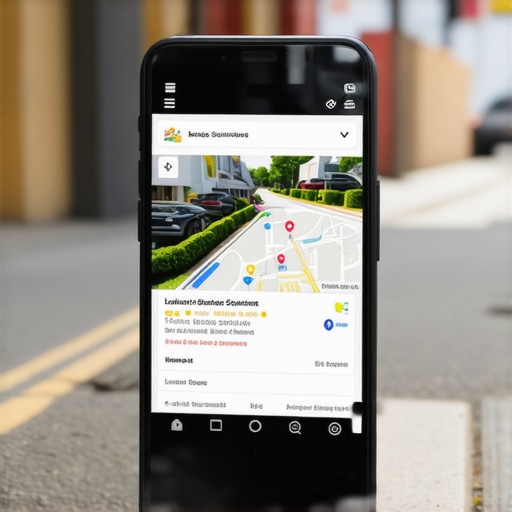 > This not only increases dwell time and shareability but also enhances local SEO signals through user-generated content and engagement metrics. As AR becomes more accessible, early adoption can lead to significant competitive advantages.
How can local retailers effectively measure and optimize AR integrations for SEO?
Quantifying the impact of AR features involves tracking user interaction metrics, dwell time, and conversion rates specific to AR-embedded content. Tools like Google Analytics, combined with advanced heatmapping and user session recordings, enable an understanding of engagement depth. Incorporating feedback loops and A/B testing can refine AR features, aligning them with customer preferences. Further, embedding structured data to indicate AR content in schema markup enhances visibility in rich snippets and local pack results, consolidating SEO efforts. For comprehensive guidance, consult industry-leading case studies such as those documented by Forbes Insights on AR marketing strategies for SMBs.source.
Street-Level Optimization: Making Local Map Signals Unignorable
Beyond digital profiles, physical storefront experiences significantly influence local SEO outcomes. Small businesses should consider optimizing their signage for clarity and visibility, ensuring that on-premise cues reinforce their online identity. Implementing local SEO practices such as geo-fenced mobile advertising, neighborhood-specific promotions, and targeted street team campaigns can increase offline-to-online traffic flow. These tactics amplify local signals, improving proximity-based rankings, especially in densely populated areas where subtle distinctions matter.
Bridging Offline Interactions with Digital Data for Seamless Engagement
The integration of offline customer interactions with digital data streams provides an invaluable feedback loop for refining local SEO strategies. Utilizing loyalty programs, in-store surveys, and POS data enables behaviors to be mapped against online search patterns. This synergy facilitates smarter keyword targeting, improved review collection strategies, and personalized marketing campaigns. Moreover, employing CRM systems aligned with local SEO tools allows for dynamic content customization, contextual offerings, and reputation management—further solidifying community ties and search presence.
Futureproofing SEO in a Hyper-Connected World
As the landscape continues to evolve with advancements like 5G, IoT, and AI-driven personalization, small retailers must adopt a mindset of continuous innovation. Embracing automated local citation management, voice-optimized content, and real-time reputation monitoring will become non-negotiable. Additionally, fostering participation in local digital communities and partnerships can generate authentic backlinks and social signals, which remain instrumental in search rankings. The question becomes: How resilient is your current strategy against the rapid pace of technological change?
Harnessing Hyper-Local Content for Community Authority
Innovative local SEO extends beyond standard keywords, focusing on hyper-local storytelling that positions your business as a community cornerstone. Developing content around neighborhood events, local history, and regional cultural trends fosters authentic engagement. For instance, a bakery can share stories about local farmers supplying ingredients, weaving a narrative that appeals to community pride and search algorithms alike.
Are Visual Search and Menus Reshaping How Customers Find You?
With visual search technology advancing rapidly, small businesses must optimize images and visual content to enhance discoverability. Implementing detailed product photos, interior panoramas, and lifestyle imagery, accompanied by structured data, enables platforms like Google Lens to recognize and recommend your offerings effectively, placing your shop at the forefront of emerging search modalities.
What Role Does Data-driven Personalization Play in Local SEO Success?
Leveraging granular customer data—from online reviews to purchase histories—allows for tailored local campaigns that resonate. Dynamic content personalization, such as customized offers or localized testimonials displayed on your website, increases user engagement and signals relevance to search engines, ultimately elevating your local ranking in competitive markets.
Why Investing in Mobile-First Mapping Strategies Matters
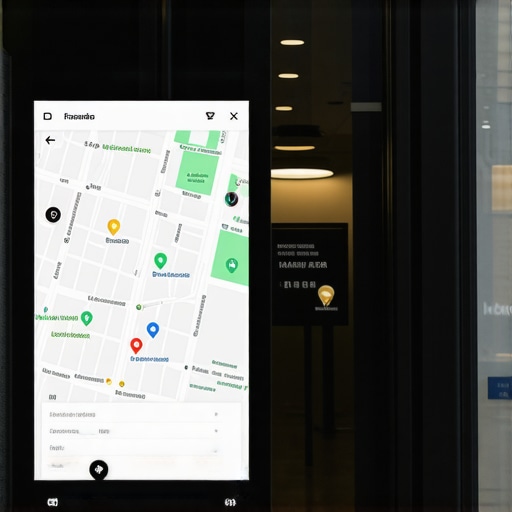
As mobile devices dominate local searches, ensuring your presence is optimized for on-the-go users is critical. This entails not just responsive website design but also enhanced map visibility through geofencing ads, location-based social media campaigns, and augmented reality integrations that make your storefront an interactive destination within digital maps.
How Does Voice Commerce Redefine Customer Interactions?
Voice-activated shopping and inquiry are redefining local engagement. Small retailers that craft conversational, FAQ-rich content and optimize for natural language queries can capture this burgeoning market. This includes setting up structured data for voice assistants to read and relay your business details seamlessly during local searches, turning passive visibility into active customer conversations.
External Authority Boosts via Local Niche Partnerships
Building strategic alliances with local influencers, organizations, or niche online communities enhances authority signals. Collaborative content, co-hosted events, and reciprocal backlinks cultivate a resilient backlink profile and improve local rankings—especially when aligned with authoritative sources like regional chambers of commerce or industry-specific directories such as U.S. Chamber of Commerce.
Are You Deploying Dark Horse SEO Tactics That Compel Search Engines?
In the fast-evolving landscape, subtle yet powerful tactics such as leveraging hidden local schema snippets, employing advanced A/B experiments on localized landing pages, and harnessing AI-driven predictive analytics set winners apart. These methods require a keen understanding of search engine behaviors and a willingness to experiment beyond conventional practices, establishing your business as an innovator rather than a follower.
See Beyond Listings: Cultivating Offline-Online Synergy
Optimizing physical storefronts to reflect online branding creates a cohesive customer journey. Incorporating QR codes on signage linking to exclusive local content or reviews bridges the gap between offline awareness and digital engagement. This integrated approach not only improves local SEO signals but also enhances customer experience, turning foot traffic into online brand ambassadors.
Elevating Local Visibility Through Immersive Technologies
Interactive elements such as 3D virtual tours, AR-enhanced product displays, and geocached challenges give consumers personalized, memorable experiences. Such innovations can significantly boost dwell time, social sharing, and backlink profiles, especially when optimized for local search contexts. Early adoption of these tools positions your small retail operation as an industry pioneer and boosts visibility in niche markets.
Are Your Reputation Management Practices Futureproofed?
Proactive reputation branding—crafting authentic narratives and responding strategically to reviews—reinforces trust signals that search engines favor. Embedding schema markup for reviews, showcasing local awards, and engaging with community feedback cultivate a robust online reputation that sustains high rankings despite algorithm shifts.
As we’ve navigated the evolving landscape of local search, one truth remains clear: staying ahead requires more than just traditional SEO tactics. Embracing advanced strategies, from semantic optimization to immersive technologies, is essential for small retail success in 2026. The most impactful insights revolve around integrating community-centric narratives, leveraging cutting-edge tools like AR, and continuously refining your data management practices.
Sharpen Your Competitive Edge with Niche Content
Focusing on hyper-local storytelling and specialized keyword integration helps your shop stand out. Developing content that resonates with regional interests not only boosts relevance but also builds community trust. Think about sharing stories involving local suppliers or regional events to reinforce your authentic presence online.
Harness the Power of Visual and Voice Search
Optimizing visual content for emerging visual search platforms and crafting conversational, voice-optimized FAQ sections will position your business at the forefront of these trends. The seamless integration of structured data enhances discoverability across multiple channels, ensuring you won’t miss out on new search opportunities.
Prioritize Data Accuracy and Offline Integration
Maintaining pristine local data—like consistent NAP citations—and linking offline experiences with digital touchpoints creates a cohesive customer journey. Implementing strategies such as QR codes for seamless online feedback collection bridges the gap between physical and digital realms.
Curated Resources for Local Optimization Mastery
- Unlocking Google Business SEO Secrets: Essential guide to mastering local search in 2025 and beyond, with advanced tactics and case studies.
- Proven SEO Tips for Small Retailers: Practical advice on elevating your local visibility with data-driven strategies and technical enhancements.
- Effective Local SEO Techniques: In-depth tactics on content personalization, map optimization, and community engagement.
What’s Next for Local SEO Innovators
The path to sustained visibility in local search is paved with innovation and adaptation. Embracing immersive technologies, refining your data integrity, and crafting authentic community stories will set your shop apart. Now is the time to audit your current strategies, explore emerging tools, and position your business as a leader in local digital prominence. Your journey to mastering 2026’s search landscape begins with assessing where you stand today—don’t wait for the algorithms to change without you.
Leave a Reply