4 Google Business SEO Data Fixes to Win 2026 AI Agent Leads
Revolutionizing Local SEO: The New Frontier for Small Shops in 2026
As the digital landscape evolves rapidly, local business optimization emerges as a crucial discipline for small retailers aiming to dominate their markets. The confluence of artificial intelligence, hyper-local targeting, and advanced data analytics demands a shift from traditional SEO tactics towards sophisticated, nuanced strategies that cater to modern search behaviors and platform algorithms.
Harnessing Semantic SEO to Elevate Local Visibility
Semantic SEO, which emphasizes understanding search intent and contextual relevance, has become indispensable for professional local SEO. Implementing schema markup, optimizing for voice search, and leveraging latent semantic indexing (LSI) keywords enhances search engine comprehension, thereby improving Google Business SEO rankings for small shops. Crucially, this approach facilitates connecting with the specific queries that local customers are increasingly using, such as “best artisan bakery near me” or “24/7 convenience stores in downtown.”
The Art of Data-Driven Local Optimization in Competitive Environments
Data points like local search impression metrics, click-through rates from Google Maps, and review sentiment scores inform strategic decisions. Small shop owners must embrace comprehensive analytics to identify gaps in their local SEO campaigns. For example, missing accurate NAP (Name, Address, Phone Number) data across directory listings can severely hinder visibility, as highlighted in recent studies from Search Engine Land.
Addressing the Complexities of Map Pack Domination in 2026
Local search visibility now hinges on multiple layers: review quantity and quality, Google Business profile optimization, local backlinks, and proximity signals. The challenge lies in balancing swift tactical fixes with strategic brand authority enhancement. Advanced tools enable real-time tracking of keyword ranking fluctuations and provide insights into the influence of user-generated content, facilitating proactive adjustment to SERP dynamics.
How Can Small Retailers Make the Leap Over Local Search Ranks?
This question, frequently debated in professional forums such as SEO for Local Business Pro, underscores the necessity for targeted, innovative tactics. Beyond the basics of citation management and review solicitation, leveraging hyper-local content, geo-specific keywords, and tailored engagement campaigns foster a sustainable competitive edge.
What Are the Emerging Challenges in Local SEO for Small Shops in the AI Era?
As AI agents become dominant in delivering local search results, small businesses face the risk of their listings being overlooked if their digital signals are weak or misaligned. Ensuring that local keywords are properly integrated into content, reviews are genuine and diverse, and Google Business profiles are consistently updated can significantly mitigate these challenges.
If you’re eager to deepen your understanding, explore our comprehensive guides on professional local SEO mastery and transformative SEO tactics for small shops. Your insights and experiences are invaluable; share your strategies or ask questions in our community to foster collective growth in this competitive landscape.
Beyond Basics: Implementing Hyper-Local Content for Deep Market Penetration
In the hyper-competitive landscape of 2026, small shops must move beyond generic optimization and create content that resonates deeply with local audiences. Hyper-local content—such as neighborhood-specific blog posts, community event sponsorships, and localized testimonials—can significantly enhance relevance and engagement. By embedding geo-targeted keywords naturally into your website and Google Business profile, you position your shop as a community cornerstone. For strategic insights, explore 5 tactics to dominate the 2026 local map pack.
Leveraging AI Tools for Precision SEO Yet Maintaining Authenticity
AI-powered analytics and content generators offer unprecedented opportunities for customizing local SEO campaigns. Tools like sentiment analysis bots help evaluate review quality, and predictive modeling forecasts keyword trends. However, over-reliance on automation risks diluting authenticity—a key factor influencing consumer trust and Google rankings. Fusing AI insights with genuine storytelling and community engagement ensures your shop retains a human touch that algorithms cannot replicate. Learn more about avoiding common pitfalls with tactics to improve local search rankings.
#IMAGE_PLACEHOLDER_B#
Are Local Listings and Customer Engagement Still Enough in an AI World?
As AI advances redefine how local results are curated, the foundational question emerges: can traditional signals like listings and reviews sustain visibility? Experts argue that integrating emerging signals—such as user interaction patterns, voice search integration, and social media influence—becomes imperative. For instance, fostering community-driven content and encouraging authentic reviews aids in creating a robust, AI-resistant digital footprint, as discussed in why your 2026 local map clicks are decreasing—and how to reverse the trend.
If you’re striving to stay ahead, consider advanced local SEO audits that scrutinize data gaps, map data integrity, and AI-content alignment. To do so, check our comprehensive guide on outsmarting search AI with hyper-local content. Sharing your experiences or questions can help refine collective strategies—join our community discussions or comment below to contribute to evolving best practices in local optimization.
Harnessing the Power of Hyper-Personalized Content to Outshine Competitors
In the fiercely competitive arena of local search, generic content barely moves the needle. To truly stand out, small businesses must leverage hyper-personalized content that resonates with distinct community segments. This involves conducting granular demographic analyses, understanding local cultural nuances, and crafting tailored narratives that evoke emotional connections. For example, a boutique coffee shop might feature stories about local farmers or community events, integrating geo-specific keywords seamlessly into blog posts and social media updates. Such practices not only enhance relevance but also foster brand loyalty among localized audiences.
How Can Multi-Channel Integration Amplify Local Presence?
Relying solely on Google Maps or organic listings is insufficient in 2026’s multi-device, multi-platform environment. Small shops need to weave a cohesive digital story across channels—Google Business Profiles, Instagram, TikTok, community forums, and even emerging multimedia formats. Strategic synchronization ensures consistent NAP data, unified branding messages, and cross-platform engagement triggers. For instance, leveraging user-generated content from social media and integrating it into your local SEO efforts creates a dynamic feedback loop, boosting visibility and credibility. The key lies in adopting a holistic approach that converts local interactions into an omnipresent digital footprint.
Can Advanced AI Tools Revolutionize Local SEO Without Compromising Authenticity?
While AI-powered tools now offer sophisticated keyword predictions, review analysis, and content generation, their misuse can lead to generic or inauthentic outputs that alienate discerning local consumers. The challenge for small shops is to harness AI’s capabilities—such as sentiment analysis bots for review management, predictive analytics for inventory decisions, and AI-driven content personalization—while maintaining a human-centric voice. A notable example is deploying natural language processing to craft personalized follow-ups that enhance customer experience, thereby strengthening online reputation. Striking this balance demands strategic oversight, guided by core brand values and community insights.
What intricate factors influence the effectiveness of local backlinks in 2026?
Beyond basic link-building practices, understanding the nuanced influence of local backlinks involves assessing their relevance, authority, and context-specific value. Factors such as the backlink’s embedded anchor text, the authority of linking domains within the community, and the recency of link acquisition significantly impact rankings. According to recent research from Moz’s analysis of local SEO link signals, backlinks from locally relevant, high-authority websites can boost your shop’s credibility and visibility disproportionately. Implementing strategic partnerships with community organizations, local blogs, and event sponsors can facilitate high-quality backlink acquisition, making your digital presence more resilient against algorithm perturbations.
To deepen your mastery of these advanced tactics, explore our detailed guide on advanced local SEO strategies for 2026. Sharing real-world success stories or querying specific challenges in our community forums can catalyze innovative solutions, propelling your small shop toward sustained dominance in local search results.
Deciphering the Impact of Hyper-Personalization on Local Market Domination
In today’s fiercely competitive local landscape, hyper-personalized content serves as a powerful differentiator. Small shops can leverage granular demographic data, community-specific narratives, and culturally nuanced storytelling to forge deeper connections with their target audience. Utilizing advanced analytics, businesses can identify distinct customer segments and craft tailored experiences, thereby boosting engagement and loyalty. For instance, integrating customer purchase histories and neighborhood trends into personalized campaign strategies can dramatically elevate local resonance, positioning your shop as an indispensable community fixture.
Are Multi-Platform Strategies Still Relevant AmidAI-Driven Search Evolution?
As artificial intelligence continues to reshape search paradigms, the integration of multi-channel marketing becomes ever more critical. Relying solely on traditional local SEO tactics risks obsolescence; synchronized efforts across social media, review platforms, community forums, and voice-enabled devices ensure a cohesive brand presence. Effective multi-platform campaigns facilitate consistent NAP data, amplify user interaction signals, and foster community engagement—elements essential for AI algorithms to favor your listing. Embracing this convergence enhances discoverability, trustworthiness, and overall market visibility.
Envisioning the Future: Can Data-Driven Personalization Sustain Long-Term Growth?
The sustainability of personalized local SEO hinges on continuous data innovation. Harnessing machine learning algorithms to analyze customer behaviors, review sentiment shifts, and local market trends enables small businesses to anticipate changing preferences proactively. This approach empowers dynamic content updates, optimized offers, and real-time reputation management. According to a study published by the Digital Marketing Institute, businesses employing predictive analytics see a 25% higher chance of sustained online visibility and customer retention over five years. To stay ahead, your strategy must evolve into a living ecosystem—adapted, responsive, and intimately tailored to community dynamics.
What Tactical Steps Ensure Authentic Growth Without Over-Reliance on Automation?
Striking a balance between automation and genuine engagement is crucial. While AI tools can streamline review responses, keyword optimization, and content creation, authentic interactions foster long-term loyalty. Small shops should prioritize storytelling that highlights local community involvement, feature customer testimonials, and showcase behind-the-scenes operations—content that AI cannot replicate authentically. Additionally, engaging in local sponsorships and organizing neighborhood events can generate organic buzz, reinforcing your business’s authentic standing within the community.
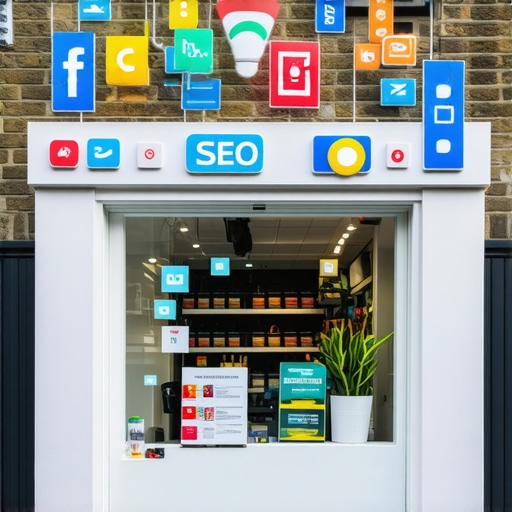
How Might Emerging Local Signals Revolutionize Optimization in 2026?
Innovative signals such as user interaction patterns, voice search behaviors, and social media activity are poised to redefine local ranking criteria. Advanced local SEO professionals emphasize that integrating these signals into a cohesive optimization framework will significantly impact visibility. For example, optimizing for voice queries like “Where can I find artisan coffee near me?” requires a nuanced understanding of conversational language, which is increasingly prevalent in local searches. Staying ahead necessitates a proactive approach—testing new signal integrations and leveraging analytics to identify emerging patterns.
If you are committed to mastering these sophisticated strategies, explore our expert-curated guides on advanced local SEO techniques for 2026. Sharing your insights or posing questions within professional communities will catalyze innovation and position your small shop at the forefront of local search excellence.
Expert Strategies That Define the Future of Local Business Optimization
Prioritize Community-Centric Content:
In an era dominated by AI and hyper-local algorithms, crafting content that resonates deeply with your neighborhood is essential. Engaging stories about local events, customer spotlights, and regional collaborations foster authentic connections that algorithms favor.
Leverage Real-Time Data to Stay Agile:
Embrace analytics tools that provide live insights into customer behaviors, review sentiment shifts, and competitive positioning. Rapid adaptations based on this data can propel your shop ahead of less-responsive competitors.
Integrate Voice Search Optimization:
As voice queries become prevalent, optimizing for natural language and conversational keywords ensures your business remains discoverable when customers ask Alexa, Siri, or Google Assistant about nearby options.
Balance Automation with Authenticity:
While AI tools aid in managing reviews and content creation, embedding genuine storytelling and personal touches sustains consumer trust and brand integrity in competitive local landscapes.
Harness Multi-Channel Synergy:
Coordinate your presence across Google Business, social media, community platforms, and niche directories. Consistent messaging and data synchronization amplify visibility and reinforce your neighborhood authority.
Top Resources to Elevate Your Local SEO Game
- Google’s Local Business Insights Tool: An invaluable asset for real-time performance metrics and optimization opportunities.
- BrightLocal’s Comprehensive Guides: In-depth tutorials on hyper-local content strategies and citation management that’ll keep your shop competitive.
- Moz’s Local Search Ranking Factors Study: Cutting-edge research unveiling the signals that matter most in 2026.
- Search Engine Journal’s Voice Search Optimization Articles: Practical insights into positioning your business for voice-based queries.
- Community-Driven Forums and Feedback Loops: Active participation in industry groups helps refine tactics and stay ahead of trends.
Where Do We Go From Here? Embrace the Next Wave of Local SEO Excellence
In the continually shifting terrain of local business marketing, the most successful shops are those that combine strategic foresight with authentic community engagement. The evolution of local search signals demands a proactive, nuanced approach—one that integrates cutting-edge AI insights without sacrificing genuine human connection. By refining hyper-local content, optimizing for emergent voice search behaviors, and maintaining rigorous data hygiene, your small shop can outpace larger competitors and secure long-term visibility.
Are you ready to lead this transformation? Share your insights, ask questions, or explore advanced tactics by connecting with our expert community. Dive deeper into mastering professional local SEO by visiting our comprehensive guide and stay at the forefront of local search innovation.
Leave a Reply