Effective Local SEO Tips to Boost Small Shop Visibility in 2024
Harnessing the Power of Local Search Algorithms for Small Business Dominance
In the rapidly evolving landscape of local search, small shop owners must move beyond basic optimization tactics to leverage sophisticated strategies that align with the latest search engine algorithms. As Google’s local pack continues to prioritize user intent and personalized results, understanding how to fine-tune your local SEO approach becomes critical for sustained visibility and competitive advantage.
Optimizing Google My Business with Precision and Depth
Google My Business (GMB) remains a cornerstone of local SEO success. However, merely claiming and updating your profile is no longer sufficient. Advanced optimization involves meticulous management of categories, attributes, and localized content. Incorporating high-quality images, responding to reviews with personalized insights, and utilizing GMB posts to showcase timely offers can significantly impact your local ranking. For deeper insights, explore expert Google Business SEO tactics.
Leveraging Schema Markup for Enhanced Local Visibility
Implementing structured data, particularly local business schema, enables search engines to better understand your shop’s context, leading to enhanced rich snippets. This technical layer can improve click-through rates and local pack prominence. Ensuring your schema is comprehensive — including address, phone number, operating hours, and special attributes — is essential for expert-level local SEO. For practical implementation, consult authoritative sources like Moz’s schema markup guidelines.
Content Localization and Hyper-Contextualized Keyword Strategies
Content remains king, but in local SEO, hyper-localized content tailored to specific neighborhoods or communities can yield remarkable results. Integrate LSI keywords such as “best coffee shop in Brooklyn” or “artisan bakery near Manhattan” seamlessly into your website and blog posts. This approach not only boosts relevance but also helps capture voice search queries and mobile intents increasingly dominant in 2024.
What are the most effective ways to measure local SEO performance beyond traditional rankings?
Advanced metrics like local search impressions, click-through rates from local pack results, and customer engagement metrics such as call and direction requests provide richer insights. Employing tools like Google Search Console and local analytics platforms can help track these indicators effectively.
For ongoing mastery, consider exploring comprehensive local SEO transformation techniques that integrate technical, content, and reputation management strategies to sustain dominance in local search results in 2024 and beyond.
Rethinking Local SEO Metrics: Beyond Rankings to Real Customer Engagement
While traditional local SEO focuses heavily on rankings and visibility, modern strategies prioritize tangible customer interactions. Metrics such as phone calls, direction requests, online reviews, and social engagement provide a more holistic view of your shop’s local presence. Leveraging tools like local analytics platforms can help track these interactions and refine your approach accordingly.
Expert Insight: How Can Small Shops Utilize AI for Local SEO Optimization?
Artificial Intelligence (AI) is transforming local SEO by enabling hyper-personalized user experiences and automating routine tasks. From AI-driven content creation to chatbots handling customer inquiries, small businesses can harness these tools to enhance their local search performance. For example, using AI to generate localized content that targets voice search queries — such as “where to find organic groceries near me” — can significantly boost relevance and engagement. For more insights, explore AI-powered SEO strategies for local businesses.
Are small shops prepared to adapt to the rapid evolution of voice and visual search?
Voice and visual search are rapidly becoming dominant in local search patterns. Optimizing for voice involves natural language keywords and FAQ-style content, while visual search benefits from high-quality images and detailed schema markup. Small shops that proactively adapt to these trends will enjoy a competitive edge, capturing traffic that competitors may overlook. Implementing structured data and rich media content ensures your business remains visible in emerging search formats. For comprehensive guidance, consider advanced local SEO techniques.
Ready to elevate your local search presence? Share your experiences or ask questions below, and don’t forget to check out proven SEO strategies for small shops to stay ahead in 2024.
Decoding the Nuances of Local Search Algorithm Updates: Staying Ahead in a Dynamic Ecosystem
As search engines refine their algorithms, the underlying signals influencing local rankings become increasingly complex. Recent updates, such as Google’s December 2023 local algorithm overhaul, emphasize user intent, context, and quality signals over traditional metrics like backlinks or citations. To stay at the forefront, small businesses must delve into the mechanics of these updates, leveraging advanced tools such as Google’s SearchLiaison Blog and proprietary AI analytics platforms to decode algorithm shifts in real time. This proactive approach ensures your local SEO remains resilient amidst constant change, transforming reactive tactics into strategic, data-driven initiatives.
The Power of Semantic SEO and Contextual Relevance in Local Optimization
Beyond keywords, semantic SEO emphasizes understanding and optimizing for user intent within local contexts. Utilizing tools like Moz’s Semantic SEO guide can help craft content that aligns with natural language queries, voice search, and emerging search patterns. For instance, integrating conversational keywords such as “where can I find gluten-free bakeries near me” or “best pet-friendly cafes in downtown” enhances relevance, especially as voice search continues to grow exponentially. This approach demands an expert-level grasp of community-specific language, cultural nuances, and local event integration to create hyper-contextualized content that resonates deeply with your target audience.
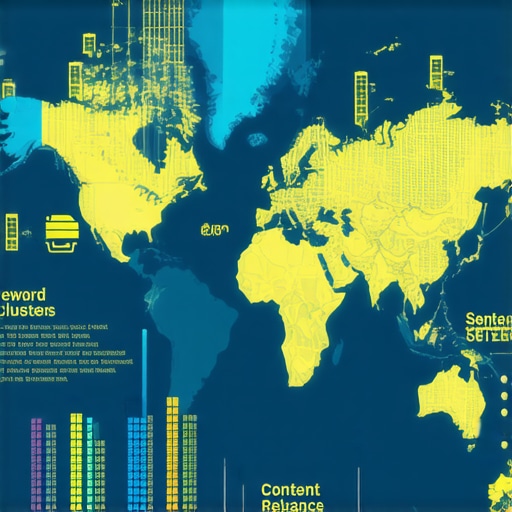
Image prompt: A detailed infographic illustrating semantic SEO strategies for local businesses, including keyword clusters, voice search optimization, and content relevance mapping.
How can local businesses leverage AI to analyze and adapt to evolving local search patterns more effectively?
AI-powered tools like natural language processing (NLP) and machine learning algorithms enable businesses to monitor local search trends, customer sentiment, and competitive movements with unprecedented precision. Platforms such as BrightLocal and Seobility incorporate AI analytics that identify emerging keywords, review sentiment shifts, and predict future search behaviors. Deploying these insights allows for agile content updates, localized ad targeting, and reputation management, ensuring your shop remains competitively positioned. Embracing AI not only enhances tactical responsiveness but also fosters a strategic foresight crucial for sustained dominance.
Mastering Hyper-Localization with Community-Centric Content and Micro-Influencers
In the quest for local dominance, micro-influencers and community engagement serve as powerful catalysts. Collaborations with neighborhood ambassadors, local event sponsors, and niche bloggers can amplify your reach within specific micro-communities. Crafting content around local stories, customer testimonials, and community events adds a layer of authenticity that search engines value highly. For example, featuring a local charity event or celebrating regional festivals on your platforms boosts relevance and encourages organic backlinks from community sources, which are increasingly weighted in local ranking algorithms.
What innovative content formats resonate best with local audiences in 2024?
Emerging formats such as short-form video tours, interactive maps, and augmented reality experiences have shown high engagement levels. Platforms like TikTok and Instagram Reels allow shops to showcase behind-the-scenes stories or product demos that foster personal connections. Additionally, integrating AR features—like virtual store walkthroughs—can significantly enhance user experience and dwell time. Staying ahead requires experimenting with these formats, analyzing engagement metrics, and refining content strategies accordingly. For expert guidance, explore case studies from leading local brands at Social Media Examiner.
Would you like a tailored action plan to implement these advanced strategies? Reach out to our expert team or join our next webinar to unlock your shop’s full local SEO potential in 2024.
Decoding the Impact of Local Search Algorithm Evolution on Small Business Visibility
As search engines continuously refine their local ranking mechanisms, understanding the nuances of recent updates—such as Google’s December 2023 overhaul—is paramount. These algorithmic shifts emphasize user intent, contextual relevance, and trust signals over traditional metrics like backlinks. Small businesses that proactively analyze these changes using advanced tools like Search Engine Land’s detailed update reports can adapt their strategies swiftly, ensuring resilience and sustained visibility in local search landscapes.
Harnessing the Power of Semantic SEO to Capture Voice and Contextual Queries
Semantic SEO transcends keyword stuffing by focusing on meaningful content aligned with user intent, especially in voice and mobile searches. Leveraging tools like Moz’s Semantic SEO guide enables crafting content that answers specific questions such as, “Where can I find gluten-free bakeries near me?”. Integrating structured data, conversational language, and related entities enhances your business’s relevance, positioning it as a primary answer in emerging search formats. This expert-level approach demands a thorough understanding of community-specific language and cultural nuances to create hyper-contextualized content that resonates profoundly with local audiences.
How can local businesses leverage AI-driven analytics to anticipate and adapt to evolving local search behaviors?
AI-powered platforms like BrightLocal and Seobility utilize natural language processing and machine learning to monitor real-time trends, sentiment shifts, and competitor movements. These insights facilitate proactive content updates, targeted advertising, and reputation management, transforming reactive tactics into strategic initiatives. Embracing AI analytics ensures your business remains agile amid rapid search landscape changes, fostering long-term dominance in local search results.
Innovative Content Formats and Micro-Localization for Community Engagement
Emerging content formats such as short-form videos, interactive maps, and augmented reality experiences significantly boost local engagement. Platforms like TikTok and Instagram Reels allow showcasing behind-the-scenes stories, product demos, or local events, fostering authentic community connections. Incorporating AR features—like virtual store tours—enhances user interaction and dwell time. Collaborations with micro-influencers and community leaders amplify your reach within targeted neighborhoods, creating a ripple effect of organic backlinks and social proof highly valued by search algorithms.
What innovative content strategies are proving most effective for local businesses in 2024?
Short-form videos, AR experiences, and interactive storytelling are leading the charge. Brands that experiment with these formats, measure engagement metrics, and refine their approach secure a competitive edge. For example, virtual walkthroughs or localized user-generated content foster trust and loyalty, translating into improved search rankings and customer conversions. For actionable insights, review case studies from top local brands at Social Media Examiner.
Seeking a tailored plan to implement these cutting-edge tactics? Connect with our expert team or join our upcoming webinar to unlock your local SEO potential in 2024.
Expert Insights & Advanced Considerations
1. Embrace Semantic SEO for Deeper Local Relevance
Understanding and leveraging semantic SEO principles allows small businesses to align content with user intent, especially for voice and mobile searches. Incorporating natural language queries and related entities ensures your listings resonate with local audiences and emerging search patterns, positioning your shop as a primary answer.
2. Harness AI-Driven Analytics for Proactive Adaptation
Utilize AI-powered tools like BrightLocal and Seobility to monitor real-time search trends, sentiment shifts, and competitor movements. These insights enable strategic content updates and reputation management, maintaining your edge amidst fast-evolving local algorithms.
3. Prioritize Hyper-Localization through Community Engagement
Partner with local micro-influencers, participate in community events, and create localized content that fosters trust and authenticity. This approach not only enhances organic backlinks but also signals relevance to search engines, boosting your local pack visibility.
4. Invest in Rich Media and Innovative Content Formats
Implement AR experiences, short-form videos, and interactive maps to captivate local audiences. These formats increase dwell time and engagement, translating into improved rankings and customer loyalty in a competitive landscape.
5. Stay Ahead of Algorithm Changes with Continuous Learning
Regularly review authoritative sources such as Search Engine Land, Moz’s Blog, and Google’s SearchLiaison updates. Keeping abreast of algorithm shifts allows for swift strategic adjustments, ensuring your local SEO efforts remain resilient and effective.
Curated Expert Resources
- Search Engine Land: Offers comprehensive updates on algorithm changes, industry trends, and strategic insights that are vital for staying informed and agile in local SEO.
- Moz’s Semantic SEO Guide: Provides in-depth techniques to optimize content for meaning and user intent, crucial for voice search and contextual relevance.
- BrightLocal: An AI-powered platform that tracks local search performance, reviews, and competitor analysis, enabling data-driven decision making.
- Google’s SearchLiaison Blog: The primary source for official updates on search algorithm changes and best practices directly from Google.
Final Expert Perspective
Mastering local search algorithms in 2024 demands a sophisticated blend of semantic understanding, AI analytics, and community-centric content. By embracing these advanced strategies, small businesses can transcend traditional rankings and cultivate genuine customer engagement, ensuring sustained visibility and growth. As the digital landscape evolves, proactive adaptation and expert-level knowledge become indispensable. Dive deeper into these topics and share your insights—your success story could redefine local SEO standards. Explore more at transform your small shop with effective local SEO techniques and stay ahead of the curve.
I really appreciated the emphasis on using advanced metrics like local search impressions and click-through rates instead of just rankings. In my experience managing a local boutique, tracking calls, map requests, and customer reviews gave us much clearer insights into how our efforts impacted actual foot traffic and customer engagement. It’s fascinating how integrating AI tools like BrightLocal not only automates this process but also helps predict emerging trends, which is invaluable for staying ahead. I�ve started experimenting with voice search optimization recently, incorporating FAQ-style content and natural language keywords, and I’ve already noticed an uptick in local inquiries. How have others been adapting their content for voice search, and what strategies are proving most effective for your businesses? I’d love to hear different approaches or tools that have helped you enhance your local SEO beyond traditional tactics.
This post highlights some critical strategies that often get overlooked in basic local SEO efforts, especially the advanced use of schema markup and hyper-localized content. I’ve seen firsthand how detailed schema implementation not only helps with rich snippets but also makes your business stand out in crowded local pack results. Content localization, especially when aligned with community events or neighborhood-specific keywords, really resonates with users and builds trust. One challenge I’ve encountered is maintaining fresh, community-centric content without it feeling forced. Has anyone found effective ways to keep this content genuine and engaging over time? I’m curious about how small businesses balance quality and quantity when it comes to localized content—any tips on managing this effectively while still boosting visibility? Overall, this article provides a great blueprint for evolving beyond the basics and truly mastering local search algorithms.
This post really emphasizes how critical it is to go beyond basic local SEO tactics, especially with the increasing importance of voice and visual search in 2024. I’ve personally seen how integrating structured data and hyper-localized content can dramatically improve a shop’s visibility, not just in rankings but in actual customer interactions. One thing I’ve been exploring is the use of AI analytics platforms, like BrightLocal, to monitor emerging search patterns and customer sentiment in real-time. This proactive approach helps in tailoring content that truly resonates with what local customers are looking for. I wonder, for shops new to these advanced strategies, what are some practical first steps to measure the impact of these efforts effectively? Also, has anyone tried microlocal content campaigns around community festivals or events to boost local engagement and backlinks? Would love to hear how others are blending tech with community-focused content to stay ahead.