Top Local Business Optimization Tips for Small Shops in 2024
Strategic Foundations for Local Business Optimization in a Competitive Digital Landscape
In an era where local search dominance can make or break a small retail shop, understanding the nuanced layers of local SEO becomes essential. As consumer behavior shifts towards digital-first interactions, small shop owners must leverage sophisticated tools and strategies to elevate their visibility, credibility, and ultimately, profitability. This article explores advanced insights into local SEO best practices, integrating data-driven approaches and emerging trends that set industry leaders apart in 2024.
Leveraging Data-Driven Local Keyword Optimization for Niche Market Penetration
Deep keyword analysis remains the cornerstone of effective local SEO. Beyond basic geo-targeted keywords, sophisticated shop owners utilize tools like Google Trends and SEMrush to uncover latent semantic keywords (LSI) that resonate with specific customer intents. For example, a boutique bakery should optimize for terms like “artisan gluten-free bread in Brooklyn” rather than generic keywords. This precision enhances local relevance and improves search ranking signals. Integrating long-tail keywords and voice search queries into content strategies further amplifies local discoverability, especially as voice-activated shopping assistants grow in popularity.
Enhancing Google Business Profile Through Strategic Optimization and Reputation Management
Optimizing your Google Business Profile transcends basic information. It involves continuous updates of categories, attributes, and service menus aligned with evolving customer expectations. Incorporating rich media—360-degree photos, short videos, and virtual tours—serves to engage users and improve local ranking. Equally critical is reputation management: proactively generating authentic reviews, responding with professionalism, and leveraging review insights to refine operations. This multi-layered approach fosters trust and enhances local search prominence.
Harnessing Local Content Marketing for Community Engagement and Authority Building
Content remains king in establishing authority and fostering community engagement. Small shops should develop localized blog content, such as “Top 10 Local Events in Downtown” or “Spotlight on Local Artisans,” which naturally attract backlinks and social shares. Embedding schema markup for local business details enhances search engine understanding and boosts visibility in rich snippets. Collaborations with local influencers or community leaders can further amplify reach, creating a virtuous cycle of trust and recognition within the neighborhood ecosystem.
What Are the Technical SEO Considerations Unique to Small Retailers in Local Search Optimization?
Technical SEO often remains underappreciated but is vital for small shops aiming for local search dominance. Ensuring fast site load times, mobile responsiveness, and secure HTTPS connections directly influence user experience and ranking algorithms. Structured data implementation, such as LocalBusiness schema, helps search engines accurately index and display your shop’s information. Regular audits for crawl errors, duplicate content, and outdated information are necessary to maintain optimal performance. These behind-the-scenes efforts complement content and reputation strategies to create a comprehensive local SEO ecosystem.
How Can Small Shops Integrate Emerging Technologies like AI and Voice Search into Their Local SEO Strategies?
Emerging technologies such as AI-driven chatbots and voice search optimization are redefining local search paradigms. Small shops can leverage AI tools to analyze customer reviews, predict local demand trends, and personalize marketing campaigns. Optimizing for voice search involves focusing on conversational keywords and question-based queries like “Where is the best coffee shop near me?” or “What are the hours for the local bookstore?” Adapting to these trends ensures persistent relevance and competitive edge in the evolving digital environment.
For further insights into elevating your local SEO game, explore our comprehensive guide to local SEO transformation. Embrace these strategies to position your small shop as a community cornerstone in 2024 and beyond. Stay updated with expert analyses at latest Google Business SEO trends for 2025.
Are Small Shops Missing Out on the Power of AI and Data Analytics for Local SEO?
Many small business owners focus on traditional SEO tactics, yet the integration of advanced AI-driven analytics and machine learning tools can revolutionize local search strategies. By leveraging insights from platforms like Google Analytics and specialized AI tools, small shops can predict customer behaviors, optimize content dynamically, and personalize marketing efforts at scale. For instance, AI can analyze review sentiment trends to identify service gaps or emerging local preferences, enabling proactive adjustments that boost rankings and customer satisfaction. This nuanced understanding surpasses basic keyword optimization, positioning your shop as a forward-thinking leader in the local digital landscape.
Implementing these technologies not only refines your SEO tactics but also provides a competitive edge that is difficult for larger chains to replicate quickly. As experts note, “AI-powered local SEO tools enable small businesses to make data-driven decisions that significantly impact visibility and revenue” (Search Engine Journal, 2024).
How Can Small Shops Seamlessly Incorporate AI and Voice Search Optimization into Their Ongoing SEO Strategies?
Seamless integration demands a strategic approach. Start by auditing your existing content and Google Business Profile to ensure they are optimized for conversational queries—think natural language and question-based keywords. Incorporate schema markup that highlights FAQs, services, and product details to enhance voice search compatibility. Additionally, use AI tools to monitor local voice search trends and adjust your content creation accordingly. For example, creating FAQ pages optimized for voice queries like “Where can I find the best local pizza near me?” can significantly increase your shop’s visibility in voice search results.
Moreover, investing in AI-powered chatbots that engage customers on your website or social media can improve user experience and reduce bounce rates, indirectly boosting your local SEO. For more insights on integrating emerging tech into your local SEO, visit our comprehensive guide to local SEO strategies for small shops.
Share Your Thoughts: What Are the Biggest Challenges You Face When Adapting to New SEO Technologies?
Adapting to AI and evolving search trends can be complex, especially for small shops with limited resources. Do you find it challenging to keep up with the latest tools, or do you struggle with integrating these technologies into your existing workflows? Your insights can help shape practical solutions tailored for small business owners. Comment below or share this article with fellow entrepreneurs to foster a community of shared learning and growth.
Mastering Technical SEO Nuances for Small Retailers: Ensuring Seamless User Experience and Search Engine Compatibility
While content and reputation management are vital, the technical backbone of your local SEO efforts often determines the overall success. Small business owners must pay meticulous attention to site architecture, loading speeds, and mobile responsiveness to stay competitive. Implementing structured data markup such as LocalBusiness schema enhances your visibility in rich snippets, providing potential customers with immediate, relevant information.
Regular site audits using tools like Google Search Console help identify and fix crawl errors, duplicate content, and outdated information that might hinder your search rankings. Moreover, optimizing your site’s core web vitals—such as Largest Contentful Paint (LCP), First Input Delay (FID), and Cumulative Layout Shift (CLS)—directly influences user experience and search engine rankings. These behind-the-scenes efforts require a mix of technical expertise and ongoing vigilance, but they create a resilient foundation that supports other SEO tactics.
Advanced Strategies for Integrating AI and Voice Search Technologies into Local SEO Playbooks
As AI and voice recognition technologies evolve, small shops have unprecedented opportunities to refine their local SEO strategies. Beyond basic keyword optimization, leveraging AI-driven insights from customer interactions and reviews can uncover hidden patterns and preferences. For example, sentiment analysis tools can identify service quality issues or emerging trends, enabling proactive adjustments that align with customer expectations.
Voice search optimization hinges on understanding conversational language and question-based queries. Creating detailed FAQ pages, enriched with schema markup, ensures your business appears prominently when users ask questions like, “Where is the best vegan bakery nearby?”
Furthermore, AI-powered chatbots integrated into your website or social media can provide instant, personalized assistance, increasing engagement and conversion rates. These bots can also collect valuable data on customer preferences, feeding back into your SEO and marketing strategies. The synergy between AI and voice search creates a feedback loop that continually enhances your local visibility and customer experience.
What Are the Practical Challenges Small Shops Face When Adopting AI and Voice Optimization, and How Can They Overcome Them?
Many small businesses grapple with limited technical expertise, budget constraints, and uncertainty about the ROI of investing in emerging technologies. To overcome these hurdles, it’s advisable to start small—by optimizing existing content for voice search and integrating basic schema markup—and gradually expanding AI capabilities as resources allow. Partnering with specialized local SEO agencies or utilizing user-friendly AI tools can bridge the gap between ambition and capability. As noted by industry experts, “Incremental implementation coupled with continuous learning accelerates adoption and delivers measurable results” (Search Engine Journal, 2024).
To further assist, explore our comprehensive guide, which offers step-by-step instructions for small shops to weave AI and voice search into their existing SEO frameworks seamlessly. The future belongs to those who adapt early and strategically.
Engage with Us: Share Your Experiences and Challenges in Embracing Advanced Local SEO Technologies
Adopting AI and voice search can seem daunting, but your insights are invaluable. What obstacles have you faced? How have you integrated these technologies into your daily operations? Join the conversation by commenting below or sharing this article with fellow entrepreneurs. Together, we can build a community that thrives on innovation and shared knowledge.
Unlocking Hyper-Localized Content with AI-Generated Insights
Small businesses seeking to elevate their local SEO game must leverage AI-powered tools capable of analyzing vast amounts of local consumer data. These tools generate hyper-local content suggestions, predict trending keywords, and identify underserved niches within their community, enabling retailers to craft highly targeted, engaging content that resonates with local audiences. For instance, AI can identify seasonal preferences or emerging community interests, allowing businesses to tailor their blog posts, social media campaigns, and promotional offers accordingly.
Integrating Advanced Schema Markup for Rich Local Snippets
Beyond standard schema implementations, expert-level local SEO demands the deployment of complex, multi-layered schema structures that improve visibility in rich snippets. This includes integrating event schema for local happenings, product schema for in-store inventory, and FAQ schema tailored to voice search queries. Proper implementation of these schemas ensures that search engines can deliver comprehensive, visually appealing information snippets, significantly boosting click-through rates from local searches.
What Are the Cutting-Edge Techniques for Voice Search Optimization in Local SEO?
Optimizing for voice search involves more than keyword stuffing; it requires a nuanced understanding of conversational language, user intent, and contextual relevance. This entails creating detailed, natural language FAQ pages, employing long-tail question keywords, and structuring content with semantic HTML elements. Additionally, integrating location-specific conversational cues and leveraging AI-driven language models can help predict and align with user queries. According to a recent report by Moz (2024), adopting a semantic approach to content and employing schema markup are crucial for capturing voice search traffic effectively.
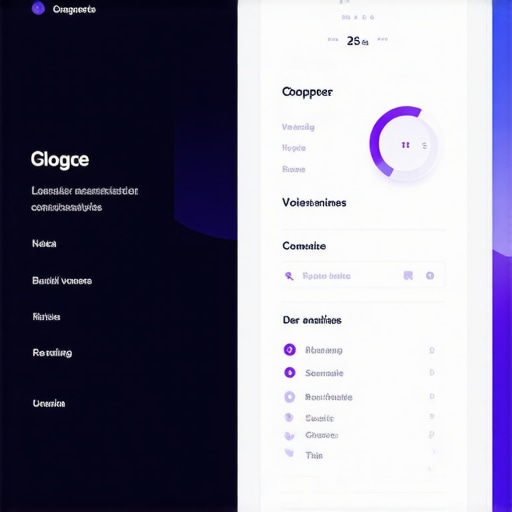
Imagine an AI-powered dashboard visualizing local search trends, keyword opportunities, and voice query analytics in real-time, empowering small retailers to make data-driven decisions with confidence.
How Can Small Retailers Overcome the Challenges of Implementing AI and Voice Search Technologies?
The primary barriers include limited technical expertise, budget constraints, and uncertainty about tangible ROI. To address these issues, small businesses should prioritize scalable, user-friendly AI solutions that integrate seamlessly with existing platforms. Partnering with specialized SEO agencies or utilizing cloud-based AI services can reduce costs and complexity. Moreover, continuous education through webinars, industry conferences, and expert consultations can demystify these technologies, fostering a proactive approach to innovation. As noted by Search Engine Journal (2024), incremental adoption combined with clear measurement metrics accelerates meaningful integration of AI and voice search into local SEO strategies.
What Practical Steps Can Small Shops Take to Incorporate AI and Voice Search into Their Existing SEO Frameworks?
Begin by auditing current content and schema markup to ensure compatibility with voice search. Next, develop conversational FAQs that target common local queries, enriched with schema markup for enhanced visibility. Incorporate AI tools for review sentiment analysis, demand forecasting, and personalized marketing. Finally, monitor voice search performance metrics and refine strategies iteratively. For expert guidance, explore our detailed comprehensive guide on integrating AI and voice search into local SEO.
Engage and Share: What Are Your Experiences with AI and Voice Search Adoption?
Your insights are invaluable in shaping effective strategies. Have you faced challenges or achieved successes in integrating these advanced technologies? Share your stories in the comments or connect with fellow entrepreneurs through our community forums. Together, we can accelerate innovation and help small retailers thrive in the evolving digital landscape.
Expert Insights & Advanced Considerations
1. Embrace Hyper-Localization with AI-Driven Content
Utilize AI tools to analyze community-specific data, generating hyper-local content that resonates deeply with your target audience. This approach not only enhances relevance but also positions your shop as an integral part of the local ecosystem.
2. Leverage Multi-Layered Schema Markup for Rich Snippets
Implement complex schema structures, including event, product, and FAQ schemas, to maximize visibility in rich snippets. This multi-faceted schema deployment increases click-through rates and establishes authority in local search results.
3. Optimize for Voice Search with Conversational Content
Create detailed FAQ pages with natural language questions, focusing on long-tail keywords and local intent. This strategy ensures your business appears prominently in voice-activated searches, a growing segment in local SEO.
4. Integrate AI and Data Analytics for Predictive SEO
Adopt AI-powered analytics platforms to forecast demand trends, analyze review sentiment, and personalize marketing efforts. This proactive approach elevates your local SEO game, keeping you ahead of competitors.
5. Prioritize Technical SEO with a Focus on User Experience
Maintain fast-loading, mobile-responsive websites with secure HTTPS protocols. Regular audits for crawl errors and structured data accuracy are essential to sustain optimal rankings and user trust.
Curated Expert Resources
- Google’s Official SEO Starter Guide: Provides foundational knowledge on technical and content optimization, essential for advanced local SEO strategies.
- Moz’s Guide to Local Search Optimization: Offers in-depth insights into schema markup, voice search, and local ranking factors from industry experts.
- Search Engine Journal’s AI in SEO Section: Features cutting-edge articles on integrating AI tools for predictive analytics and content personalization.
- BrightLocal’s Local SEO Tools and Resources: Supplies practical tools and case studies demonstrating successful local SEO implementations.
Final Expert Perspective
Mastering local SEO in 2024 requires a strategic blend of hyper-local content, sophisticated schema deployment, and technological innovation such as AI and voice search optimization. By integrating these advanced techniques, small shops can significantly enhance their visibility, credibility, and customer engagement. Embracing continuous learning and leveraging authoritative resources will ensure your business remains competitive in the evolving digital landscape. For in-depth guidance on elevating your local SEO, explore our comprehensive guide to local SEO transformation. Stay ahead of the curve, and let your local presence thrive in 2024 and beyond.
Leave a Reply