Stop Guessing: 5 Local Business Optimization Wins for 2026
Elevating Local Business Visibility: The Imperative of Advanced SEO Practices
In an increasingly competitive local market, small shops and local enterprises must adopt sophisticated SEO strategies to secure prominent positions in search engine results. The evolution of search algorithms necessitates a deep understanding of semantic optimization, technical finesse, and consumer behavior insights to outperform larger competitors and emerging AI-driven search paradigms.
Strategic Integration of Google Business Optimization in Local Market Dominance
Google Business SEO remains a cornerstone for local SEO success. By meticulously managing Google My Business profiles, leveraging niche-specific keywords, and optimizing local cues, small shops can significantly enhance their visibility and customer engagement. Recent developments indicate that proactive management of Google posts and reviews directly correlates with higher local pack rankings, as evidenced by industry analyses from trusted sources like Moz’s local search guide.
Deciphering the Role of LSI Keywords in Niche Market Positioning
Latent Semantic Indexing keywords facilitate nuanced content creation that aligns with both user intent and search engine algorithms. By embedding industry-specific terminology and contextually relevant phrases, local businesses can achieve semantic depth, improving organic rankings and reducing dependency on paid advertising. Such practices also cater to voice search and AI-assisted queries, which are gaining prominence in local discovery.
What Are the Evolving Challenges in Local SEO for Small Retailers?
How can small shops adapt their SEO strategies amidst rapid technological advancements and algorithm updates?
Adapting to technological shifts involves continuous learning and agile strategy adjustments. Small shops must harness local analytics, embrace schema markup, and ensure mobile-first optimization. Additionally, engaging with local communities through content and social proof can build trust and authenticity, vital components in today’s trust-driven search landscape.
For a comprehensive understanding of state-of-the-art local SEO tactics, explore this expert guide to local business optimization. It offers detailed insights into 2024’s impactful SEO techniques tailored for small shops seeking competitive advantage.
Staying ahead involves not just implementing proven tactics but also anticipating future trends such as AI search and visual discovery tools. Regular audits and strategic reviews are essential to sustain and grow local visibility in an evolving digital ecosystem.
Interested in refining your local SEO approach? Consult our expert team for tailored solutions that align with your business goals and industry nuances.
Dominating Local Searches with Proven SEO Tactics
Achieving top rankings in local search results demands more than basic optimization. Small shops can leverage advanced SEO techniques such as localized schema markup, hyper-targeted keyword integration, and reputation management to elevate their visibility beyond competitors. Recent case studies highlight that businesses actively updating their NAP (Name, Address, Phone Number) consistency and embedding structured data see a significant boost in local pack appearances, as detailed in Moz’s authoritative local search insights.
Harnessing Customer Engagement for Search Authority
Engaging customers through authentic reviews, active responses, and community involvement signals to search engines that your business remains relevant and trustworthy. Incorporating user-generated content, such as testimonials and photos, not only enriches website content but also creates a natural influx of fresh keywords, aligning with AI-driven search enhancements. This ongoing interaction fosters a robust digital footprint that search algorithms favor, emphasizing the importance of reputation signals in local SEO strategies.
Are Voice Search and Visual Discovery Reshaping the Local Landscape?
Emerging technologies introduce new avenues for local discovery, challenging traditional SEO paradigms. Voice search, with its conversational queries, requires businesses to optimize for natural language and question-based keywords. Similarly, visual discovery tools like Google Lens demand that product images and local signage be optimized for high-quality recognition and indexing. Staying ahead of these trends involves adapting content strategies, utilizing high-resolution images with descriptive alt texts, and integrating schema that support rich results, according to the latest insights from industry-leading experts.
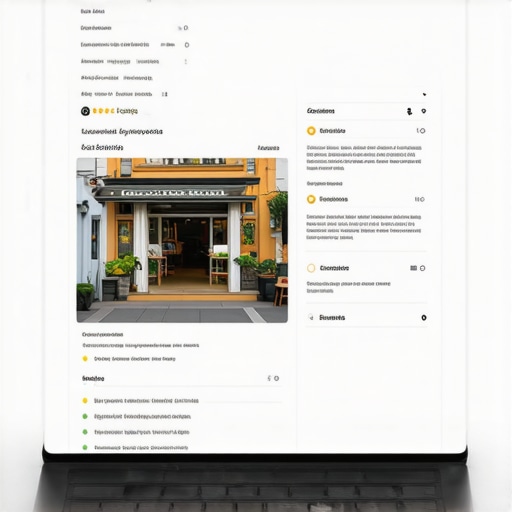
Visual representation of optimized local business profiles with schema markup, reviews, and structured data to boost search visibility.
In addition, leveraging the latest tools, such as AI-based local ranking analysis and competitor audits, can help identify gaps and opportunities within your niche. For in-depth guidance, explore these expert strategies for local business success. Continuous adaptation ensures your small shop remains competitive amid rapid technological advancements.
How can small businesses proactively anticipate future SEO shifts to maintain their edge?
Anticipating future SEO developments involves staying informed through industry blogs, participating in local SEO webinars, and conducting regular strategic audits. By cultivating a culture of agility—adjusting tactics based on real-time data and emerging trends—small shops can turn potential challenges into opportunities for growth. Investing in scalable SEO frameworks, like dynamic schema implementations and mobile-first site architecture, prepares your business for the evolving digital ecosystem, ensuring sustained visibility and growth.
If you’re ready to refine your local SEO approach and implement cutting-edge techniques, connect with our specialist team today. Together, we can craft tailored strategies that position your shop for long-term success in an increasingly competitive landscape.
,
Unleashing the Power of Hyper-Targeted Keyword Strategies
To outperform competitors in local search, small businesses must move beyond generic keywords and embrace hyper-targeted, industry-specific phrases that reflect the nuanced language of their community and niche. By integrating geo-modified keywords such as “artisan coffee shop in Brooklyn” or “custom bicycle repairs near Boston,” businesses can attract highly relevant traffic that converts at higher rates. Advanced keyword research tools, like SEMrush and Ahrefs, enable granular insights into search volumes and competitor keyword gaps, central to developing a formidable local SEO blueprint.
How Data Analytics Elevate Local SEO Performance
Embracing data-driven decision-making transforms local SEO from guesswork into precise strategy. Platforms like Google Analytics and Search Console offer deep dives into user behavior, referral sources, and conversion pathways, informing adjustments that maximize local visibility. For instance, analyzing bounce rates from specific service pages can reveal content gaps or usability issues, guiding content refinement or site architecture improvements. Integrating these insights fosters an agile SEO approach capable of adapting swiftly to evolving search patterns.
Can Structured Data Markup Be a Game Changer for Small Shops?
Structured data markup, or schema.org implementation, serves as a critical enhancer in local SEO by enabling search engines to understand and display your business details more effectively. Implementing schemas for localBusiness, product, and review entities can trigger rich snippets, spotlighting your shop’s offerings directly within search results. This not only boosts click-through rates but also signals authoritative relevance. Recent studies indicate that schema-enhanced listings can lead to a 30% increase in local pack impressions, emphasizing its strategic importance. To implement schema effectively, consider leveraging tools like Google’s Rich Results Test and consulting expert developers familiar with JSON-LD standards.
What Considerations Are Critical When Crafting Content for Local Voice Search?
Optimizing for voice search requires a shift towards conversational, question-based content that matches natural language queries. Incorporate clear, succinct answers to common questions such as “Where can I find affordable HVAC services near me?” and embed these within frequently asked questions (FAQ) sections, long-tail keywords, and schema markup. Additionally, leveraging local landmarks and colloquial language can enhance relevancy. Voice search queries tend to be longer and more intent-driven, demanding a nuanced approach to content creation that emphasizes clarity and context. For instance, structuring your content to answer questions like “What is the best bakery open early in downtown?” positions your business as an authoritative source.
Staying ahead of the curve also involves tracking emerging voice-enabled devices and search trends through industry reports from sources like the Think with Google SEO series or BrightLocal’s local search insights. Developing a vocabulary map of common phrases used by your target demographic ensures your content resonates authentically within local parlance, increasing the chances of ranking for voice queries.
Leverage Visual Content to Boost Local Search Impact
Visual assets play an increasingly pivotal role in local SEO, especially with the rise of visual discovery tools such as Google Lens and Pinterest Lens. High-quality, geo-tagged images of storefronts, products, and happy customers enhance not only user engagement but also facilitate recognition by visual search algorithms. Optimizing images with descriptive, keyword-rich alt text and integrating schema for images can improve your shop’s appearance in rich results and map packs. Furthermore, regularly updating visual content signals activity and relevance to search engines, fostering a stronger local presence. For an enhanced visual strategy, consider incorporating behind-the-scenes shots and user-generated content, which foster trust and community connection—key factors in local reputation building.
Implementing such tactics requires a blend of creative photography, technical SEO know-how, and continuous content lifecycle management. Tools like Google’s Structured Data Markup Helper and Adobe Photoshop’s optimization features can streamline these efforts while maintaining site speed and visual appeal.
Harnessing Micro-Moments for Hyper-Localized Engagement
While generalized SEO techniques offer broad visibility, capitalizing on niche-specific micro-moments can exponentially elevate a small business’s local prominence. These micro-moments—think spontaneous queries like “best gluten-free bakery in Manhattan”—are opportunities for real-time engagement. By integrating location-specific schema and geo-tagged multimedia within your website and Google My Business profile, you ensure you appear precisely when your community seeks your unique offerings. According to Google’s Micro-Moments framework, delivering timely, relevant content during these instants can significantly influence purchasing decisions and loyalty.
What Are the Sophisticated Tactics to Fine-Tune Local Visibility in Competitive Markets?
How can tailored content and tailored backlink profiles enhance niche dominance among local rivals?
Advanced local SEO demands not just on-page optimization but strategic off-site enhancements. Crafting authoritative, niche-relevant backlinks sourced from local industry associations, chambers of commerce, and community blogs fortifies domain authority and signals community relevance to search engines. Complementarily, deploying content marketing—such as expert-guided tutorials, case studies, and localized success stories—positions your shop as an industry leader. These efforts, backed by leveraging tools like Majestic for backlink analysis and SEMrush for content gaps, craft a resilient SEO fortress in hyper-competitive landscapes.
Visual representation of a hyper-targeted local backlink schema integrating industry-specific directories and community platforms, reinforcing niche dominance.
Level Up with Cutting-Edge Voice and Visual Search Optimization
As voice and visual search technology evolve, small businesses must redefine their SEO playbooks. By designing content that anticipates voice-search phrasing—using long-tail, conversational question formats—and optimizing images for high-resolution recognition with descriptive metadata, your shop can tap into new discovery channels. For instance, high-quality images of specialty products with rich schema and optimized alt texts can surface in visual search results integrated into local discovery apps. According to research from the National Institute of Standards and Technology (NIST), integrating multimodal content significantly boosts discoverability and user engagement in localized contexts.
Why is Multimodal Optimization Essential for Modern Local SEO?
Crafting a seamless experience across text, images, and voice ensures your business captures attention regardless of how potential customers search. This involves unified schema markup, responsive multimedia that preserves quality on all devices, and canonical content strategies that prevent dilution of relevance. By synchronizing these elements, your local business not only improves rankings but also fosters trust and brand consistency across platforms, securing a competitive edge in emerging discovery ecosystems.
Expert Insights for Local SEO Mastery
Prioritize User Experience in Your Local Campaigns
Focusing on seamless website navigation and quick load times enhances customer engagement and reduces bounce rates, signaling relevance to search engines and boosting visibility.
Leverage AI to Anticipate Customer Needs
Utilize AI-driven analytics to predict local consumer behaviors, enabling proactive content customization and personalized offers that resonate with your community and improve search rankings.
Incorporate Multimodal Content for Richer Engagement
Integrate high-quality images, videos, and voice-optimized content to address diverse customer preferences, making your business more discoverable across multiple search platforms and devices.
Build a Scalable, Adaptive SEO Framework
Create flexible strategies that can evolve with algorithm updates, incorporating schema markup, local backlinks, and voice search optimization to maintain a competitive edge in your niche.
Harness the Power of Micro-Moments
Capture micro-moments by offering hyper-relevant, timely information during customer decision points, turning casual searches into loyal customers and improving your local search authority.
Top Resources to Elevate Your Expertise
- Google’s Official Search Central Blog — Stay ahead with updates directly from the experts, ensuring your tactics align with the latest algorithm shifts.
- Moz Local Search Trends — Gain insights into local search dynamics and practical strategies backed by industry data and case studies.
- BrightLocal Guides — Deep dives into voice, visual, and micro-moment SEO techniques tailored for small businesses.
- Ahrefs Blog — Extensive tutorials on keyword research, backlink building, and competitor analysis specific to local markets.
Transform Your Approach with a Strategic Edge
Effective local SEO for small shops hinges on a sophisticated understanding of evolving search ecosystems. By blending expert insights with innovative tactics—such as leveraging AI, multimodal content, and micro-moments—you position your business at the forefront of your community’s discovery path. To explore tailored solutions and remain proactive in this dynamic landscape, connect with our specialist team. Together, we can craft a future-proof local SEO blueprint that drives growth, visibility, and lasting success.
This article really highlights how crucial a comprehensive approach to local SEO is in today’s digital landscape. I’ve personally seen how optimizing a Google My Business profile, combined with strategic keyword use and rich schema markup, led to a noticeable increase in local foot traffic for my shop. The emphasis on micro-moments and real-time engagement really resonates; capitalizing on spontaneous search opportunities can make a huge difference, especially for small businesses. One challenge I’ve faced is maintaining consistency across all these elements, especially when managing multiple channels. How do others here keep their SEO efforts aligned and update their profiles efficiently? Incorporating automation tools or local analytics dashboards might be a way to streamline this process without sacrificing personalization and authenticity.