3 Local Business Optimization Fixes for Zero-Click Search [2026]
Elevating Small Retailers Through Advanced Local SEO Strategies
In an increasingly digital landscape, small shops face the dual challenge of standing out locally while adapting to dynamic search engine algorithm updates. Professional local SEO has emerged as a cornerstone for retail success, enabling small businesses to compete against larger chains by leveraging targeted optimization techniques and nuanced search intent understanding.
Deciphering the Nuances of Google Business SEO for Small Shops
Optimizing your Google Business Profile isn’t merely about listing your shop; it involves a strategic alignment of local keywords, timely review management, and visual content enhancement. Experts emphasize the importance of integrating semantic keyword clusters, such as ‘best local bakery’ or ‘affordable boutique near me,’ into profile descriptions and service listings to improve visibility in zero-click searches, where users find answers without clicking through to a website.
Unpacking the Complexity of Zero-Click Search Encounters for Local Business
How can small shops adapt their SEO tactics to dominate zero-click search results and maintain customer engagement?
Zero-click searches are reshaping local consumer behavior, demanding a shift from conventional link-centric strategies to Rich Answer optimization—emphasizing structured data markup, Google Posts, and local Q&A sections. For instance, embedding schema structured data can enable a shop to feature directly in answer boxes, capturing attention before competitors. This approach necessitates a deep understanding of searcher intent and content structuring, ensuring your local business remains relevant amid evolving SERP features.
The Power of Local SEO for Small Shops: Beyond Basic Optimization
Implementing a holistic local SEO approach involves technical onsite adjustments, authoritative citation building, and reputation management. Incorporating high-quality backlinks from local directories or blogs, aligning NAP (Name, Address, Phone Number) data consistency, and actively engaging on community forums can amplify your local search footprint. These tactics, rooted in authoritative research such as Moz’s Local SEO guide, enhance trustworthiness and boost rankings in competitive neighborhoods.
Are DIY Solutions Enough Anymore?
While fundamental SEO tasks can be managed independently, the intricacies of local search algorithms and the need for ongoing strategic refinement often necessitate expert intervention. Sharing insights through industry forums or consulting specialized agencies ensures your shop adapts proactively, not reactively, to algorithm changes and emerging search features.
For comprehensive strategies tailored specifically to your context, explore detailed guides like Transform Your Small Shop with Effective Local SEO Techniques or connect with professionals to refine your approach. Take action now to position your business at the forefront of local search visibility, and consider contributing your own successful tactics to the community of local SEO experts.
Harnessing Hyper-Local Content for Genuine Customer Engagement
Creating hyper-local content not only elevates your shop’s visibility but also builds authentic relationships with your community. This involves crafting tailored blog posts, event updates, or spotlight features that resonate specifically with local customers. For example, sharing stories about local collaborations or seasonal promotions can position your business as an integral part of the neighborhood fabric, fostering loyalty and encouraging word-of-mouth referrals. Such strategies complement your Google Business Profile efforts and are supported by industry insights detailed in Effective Local SEO Strategies for Small Business Growth in 2024.
Leverage Voice Search and Visual Optimization to Capture Zero-Click Opportunities
Emerging search trends highlight the importance of optimizing for voice-activated queries and visual searches. Voice search optimization requires understanding natural language patterns and embedding conversational keywords into your content. Meanwhile, enhancing your local imagery with high-resolution photos, 360-degree tours, and even short videos can increase your shop’s chances of appearing in visual search results. Embracing these modalities ensures your business doesn’t just rely on traditional rankings but also capitalizes on new search avenues that can significantly boost foot traffic and online inquiries.

Are Local SEO Tools Adequate for Competitive Markets, or Do You Need Custom Strategies?
While tools like BrightLocal or Whitespark provide valuable insights, they often fall short of addressing highly specific local competitive dynamics. Developing customized SEO frameworks—such as tailored keyword maps, localized backlink strategies, and community engagement plans—can provide a crucial edge, especially in saturated markets. According to Moz’s Local SEO guide, combining these tools with bespoke tactics yields more sustainable and measurable growth, positioning your shop ahead of larger competitors who might overlook nuanced local signals.
What Innovative Techniques Are Top Small Shops Using to Surpass Large Chains in Local Search Rankings?
Innovative tactics include integrating user-generated content, leveraging local micro-influencers, and utilizing augmented reality (AR) experiences within your storefront or app. Encouraging customers to share their experiences via social media and tagging your business amplifies your local footprint organically. Moreover, deploying AR features, such as virtual try-ons or interactive store tours, can set your shop apart, creating memorable experiences that encourage customer loyalty and increased visibility. Dive deeper into expert strategies by exploring Ultimate Local Business Optimization Strategies for 2024.
Remember, staying ahead requires continual innovation and strategic refinement. Share your success stories or ask questions in the comments to join the conversation among local SEO innovators—your insights might inspire the next big breakthrough in small shop visibility.
,
Embracing Data-Driven Local SEO to Predict Consumer Behavior
In today’s hyper-competitive local markets, small businesses must move beyond reactive optimization toward predictive insights. Utilizing advanced analytics tools like Google Analytics combined with local keyword trend analysis enables shop owners to forecast consumer needs and tailor their offerings proactively. For instance, seasonal fluctuations in search terms such as “summer artisan crafts near me” or “winter warmth apparel” can inform inventory decisions and promotional campaigns, aligning your business with emerging demand patterns well before competitors notice the shift.
How can small shops leverage predictive analytics to refine their local SEO strategies?
By integrating data from social media engagement, customer feedback, and local event calendars, businesses can identify evolving trends. Predictive models—perhaps developed using accessible platforms like Google Trends combined with geospatial data—can spotlight rising keywords, popular neighborhood activities, or demographic shifts. Investing in such analytical capacity elevates your SEO from a static tactic to a dynamic, responsive force, positioning your shop as a trend setter rather than a follower. For more detailed guidance, consult specialized analytics frameworks outlined by industry leaders like BrightEdge’s Local SEO analytics solutions.
Optimizing for Evolved Voice Search and Conversational Queries
As voice assistants become more ingrained in daily life, optimizing for natural language queries that reflect complex, multi-turn conversations is essential. This involves constructing FAQ sections that mimic real-world questions customers ask in their own words—think beyond simple keywords to full sentences: “Where can I find affordable handcrafted jewelry near me?”
Implementing schema markup for such content ensures that search engines recognize the intent and context of these queries, enhancing your chances of appearing in answer boxes and voice snippets. Moreover, platforms like SEMrush Voice Search Optimization toolkit offer insights into trending conversational keywords, helping to refine your content accordingly. The challenge lies in balancing natural language with keyword targeting—requiring a nuanced copywriting strategy that captures both the essence of local customer concerns and search engine algorithms.
The Power of Community-Centric Content and Local Collaborations
Creating content that resonates on a community level transcends standard SEO practices. Collaborating with local influencers, sponsoring neighborhood events, and sharing behind-the-scenes stories forge authentic connections that generate organic backlinks and social shares. For example, documenting a local farmers’ market partnership or hosting a charitable event and sharing compelling multimedia content increases your shop’s authority and trustworthiness in Google’s eyes.
Furthermore, leveraging user-generated content—such as customer testimonials, photos, and reviews—amplifies your credibility and enriches your local signals. External studies, like those published in the Journal of Business Research, highlight that community engagement correlates strongly with higher local search rankings. To maximize these efforts, consider deploying local micro-influencers whose audiences align with your brand and neighborhood demographic.
Innovative Technologies Reshaping Local Search Dominance
Emerging technologies like augmented reality (AR), virtual reality (VR), and AI-powered chatbots are revolutionizing how small businesses engage with local consumers. AR applications that enable virtual product previews or interactive store tours not only enhance customer experience but also create unique content opportunities that Google favors in visual search results. Likewise, AI chatbots configured for local queries can handle customer interactions around the clock, providing instant responses to questions like store hours, product availability, or directions, thus improving user experience signals for search rankings.
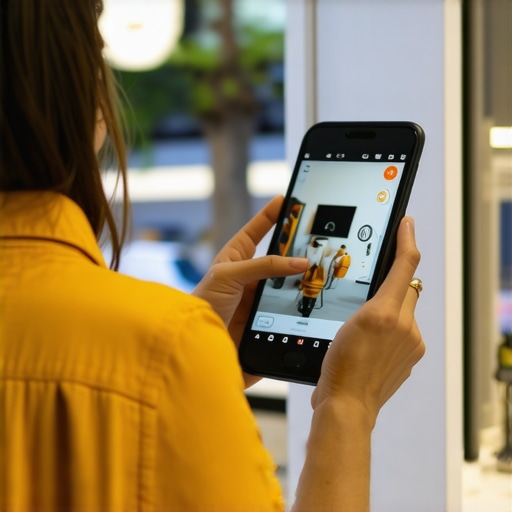
Visualize a small shop deploying AR features within an app to enhance local customer engagement and stand out in search results.
Building a Sustainable Local Visibility Arsenal with Customized SEO Frameworks
While off-the-shelf local SEO tools offer valuable baseline insights, developing bespoke strategies tailored to your market nuances can unlock hidden advantages. Creating detailed local keyword maps that incorporate hyper-specific terms—such as neighborhood colloquialisms or event-centric phrases—and cultivating relationships with local media outlets foster a robust visibility network. This approach is supported by Moz’s guidelines emphasizing the importance of contextually relevant link-building and customized content development.
Imagine a boutique that partners with neighborhood cafes to co-create content, participate in local podcasts, and host community workshops. Such initiatives bolster local relevance and generate high-quality backlinks, feeding into a virtuous cycle of improved rankings. The key is continuous refinement based on periodic data analysis, competitor monitoring, and evolving local conversations—ensuring your strategies stay ahead of the curve.
What fresh tactical innovations are emerging that could redefine local SEO standards in the next year?
Thought leaders in local search, like Google’s Danny Sullivan, point to promising developments such as multisensory search experiences integrating voice, visual, and tactile inputs. For example, real-time in-store IoT analytics combined with AI could personalize user recommendations dynamically, feeding directly into local search prominence. Staying abreast of these innovations—and experimenting with pilot initiatives—can position your small business as an early adopter, gaining competitive edge in crowded neighborhoods. To explore these cutting-edge options, consider engaging with industry conferences and specialized tech incubators dedicated to local commerce innovation.
Harnessing Hyper-Personalization to Capture Local Consumer Triggers
In the landscape of local search, personalized content tailored to specific neighborhoods or demographic segments dramatically enhances relevance and engagement. Small shops can implement hyper-personalized marketing by analyzing localized search data and customer purchase patterns, then integrating this intelligence into their SEO strategies. For example, creating geo-targeted landing pages that showcase seasonal products or local event participation can significantly boost visibility among nearby consumers actively seeking relevant offerings, as supported by case studies from Search Engine Land.
How can localized behavioral analytics inform ultra-specific keyword targeting for retail shops?
By leveraging tools such as Google Analytics combined with local social media trend analysis, shop owners can identify emergent behavioral signals—like popular hobbies or community interests—that serve as high-conversion search intents. Integrating these insights into their keyword research ensures content aligns with real-time consumer language, increasing SERP prominence. Developing a feedback loop where consumer behavior data continuously refines keyword and content strategies establishes a dynamic competitive edge in local search rankings.
Optimizing Local Schema Markup for Tactical Visibility Gains
Advanced schema.org implementations extend beyond basic business info, encompassing nuanced event data, product availability, and user engagement signals. For example, embedding detailed event schemas for in-store demos or seasonal sales can enable Google to feature rich snippets that dominate local search results. Moreover, utilizing the ‘Speakable’ schema for voice assistants amplifies your shop’s prominence in voice-activated queries. Expert guidance from Google’s Developer documentation underscores the strategic advantage of comprehensive structured data to secure prime SERP real estate.
What bespoke schema configurations can unlock new avenues in local SERP dominance for micro-retailers?
Custom schemas tailored to specific offerings—such as artisan workshops or community classes—can generate highly targeted rich snippets, directly appealing to niche audiences. By embedding ‘Product’ schema with local-specific variants or ‘Event’ schema with real-time ticket availability, shops can preempt competitor listings and enhance click-through rates. Implementing these schemas requires meticulous validation and ongoing updates aligned with seasonal or promotional changes, making it a potent, yet technically demanding, facet of local SEO mastery.
Leveraging Augmented Reality to Reinforce Local Presence
The integration of augmented reality (AR) experiences transcends traditional SEO tactics by immersing potential customers in a virtual glimpse of your offerings. For local retailers, AR can facilitate virtual try-ons, interactive product showcases, or neighborhood walk-throughs, greatly enhancing user engagement metrics—factors increasingly correlated with higher rankings. Industry insiders suggest that AR content, if optimized with geo-tagging metadata, can appear in visual search results or local discovery features, positioning your business at the forefront of innovative search intersections. 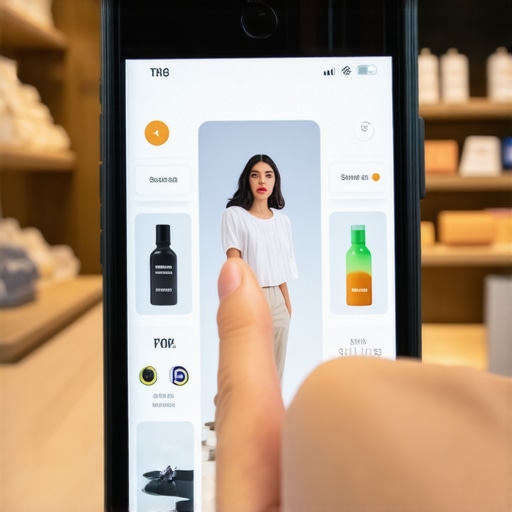
Embedding Sustainability Signals to Align with Eco-Conscious Search Trends
In an era where environmental impact influences buying decisions, highlighting sustainability practices through structured data, reviews, and content can cater to eco-aware consumers. Incorporating schema for eco-labels or green certifications and consistently showcasing sustainable initiatives in your local content positions your shop as an environmentally responsible choice, aligning with evolving search intent signals. Experts at sustainability-focused platforms like EcoPost emphasize that such signals not only bolster brand reputation but can also influence local ranking algorithms favorably when combined with authoritative backlinks and community advocacy.
How should small businesses effectively communicate their eco-initiatives to maximize local search recognition?
Crafting dedicated content hubs, including blog posts, videos, and customer testimonials centered on sustainability efforts, combined with well-structured schema markup, enhances discoverability. Collaborating with local environmental groups to co-create content and sponsorships further reinforces authenticity, amplifying local trust and visibility. Continuous storytelling backed by real-world impact metrics creates a compelling narrative that resonates with both search engines and community values, thereby boosting rankings and customer loyalty.
Expert Strategies That Elevate Small Shops
Empowering your local retail presence requires more than basic SEO; it demands a nuanced, innovative approach rooted in data, technology, and community engagement. Implementing sophisticated techniques like predictive analytics for consumer trends, immersive AR experiences, and hyper-personalized content can transform your shop’s visibility and customer loyalty.
Harness the Power of Deep Local Data
Utilize advanced analytics tools to forecast seasonal search patterns, identify emerging neighborhood interests, and tailor your offerings accordingly. This proactive stance positions your shop as a local authority and adapts swiftly to consumer demand shifts.
Leverage Cutting-Edge Visual Technologies
Integrate augmented reality features that allow customers to virtually explore your products or storefront, creating memorable experiences that boost engagement and stand out in visual search results. Such innovation not only captures attention but also fosters long-term loyalty.
Cultivate Authentic Community Ties
Develop hyper-local content that tells your shop’s story within the neighborhood. Collaborate with local influencers, sponsor community events, and showcase your sustainability initiatives to build trust and recognition both online and offline.
Strategic Resources for the Discerning Retailer
- Google’s Local Search Developer Guidelines: Master structured data markup and rich snippets to enhance your shop’s SERP prominence.
- Moz’s Local SEO Resources: Gain insights into citation building, review management, and backlink strategies tailored for local businesses.
- BrightEdge’s Analytics Solutions: Implement predictive analytics to stay ahead of consumer behavior trends.
- Augment Reality Platforms: Explore tools like ARKit or OpenCV for creating immersive customer experiences.
- Community Engagement Case Studies: Review successful neighborhood marketing campaigns for inspiration and best practices.
The Final Word from Industry Experts
In the competitive landscape of local retail, integrating advanced SEO strategies—such as predictive analytics, immersive AR, and hyper-local storytelling—delivers a decisive edge. Embracing these innovations not only amplifies visibility but also enriches customer relationships, ensuring sustainable growth. To stay at the forefront, continually refine your tactics through ongoing education, experimentation, and active community involvement. Dive deeper by exploring Transform Your Small Shop with Effective Local SEO Techniques and share your experiences to contribute to the evolution of local SEO mastery.
Leave a Reply