3 Local Business SEO Shifts for 2026 AI Search Results
Elevating Local Visibility: The Next Frontier of SEO for Small Retailers
In an era where search engines are rapidly evolving through AI-driven algorithms, traditional SEO tactics are no longer sufficient for local businesses seeking to dominate their markets. As a seasoned digital strategist, I recognize that local business optimization must now integrate sophisticated, data-driven approaches that anticipate search engine shifts, especially for small shops aiming to outperform larger competitors.
The Power of Persona-Centric Optimization over Generic Local Strategies
Achieving top rankings necessitates a departure from one-size-fits-all solutions. Instead, businesses should leverage persona-centric keyword strategies that mirror the nuanced intent of their target audience. This involves meticulous local keyword research intertwined with semantic SEO principles that contextualize search queries, ensuring that content addresses both explicit and implicit user needs.
Integrating AI-Driven Insights into Your Local SEO Framework
The emergence of AI search results means small shops must embed predictive analytics and real-time data analysis into their SEO practices. Tools that analyze local search trends enable tailored content creation, optimize Google My Business (GMB) profiles effectively, and refine local schema implementations, creating a formidable, AI-aware local SEO stance.
Why Do Local SEO Failures Persist Despite Investment?
What complex factors hinder effective local SEO despite ongoing efforts?
Common pitfalls include neglecting technical SEO nuances, such as inconsistent NAP (Name, Address, Phone number) citations, and underutilizing the potential of rich snippets within local schema markup. Furthermore, failure to adapt to evolving Google Business SEO ranking factors often results in stagnation. A detailed audit, leveraging perspectives like those in zero-click search optimizations, can reveal hidden vulnerabilities that impede search performance.
Continuous learning and agility remain pivotal. Professionals are encouraged to contribute insights and experiences on platforms like our contact page, fostering a community dedicated to mastering the intricacies of local SEO.
Explore authoritative insights in academic journals such as the Journal of Digital & Social Media Marketing for advanced case studies that inform strategic decisions.
Engaging with complex, layered SEO tactics and understanding emerging AI impacts will determine whether your small shop thrives or simply survives in 2026’s competitive local landscape.
Harnessing Hyper-Localization for Unmatched Visibility
One of the most underestimated yet potent tactics in local SEO is hyper-local targeting. Small shops can capitalize on neighborhood-specific keywords, community events, and localized content to forge a stronger connection with nearby consumers. Implementing micro-targeted schema markup and creating community-oriented blog posts not only enhances relevance but also signals authenticity to search engines. This approach can significantly improve rankings on “near me” searches and foster loyalty among local customers.
Adapting to Voice Search and AI Aspects in Local Search
The rise of voice-activated devices has reshaped how consumers seek local businesses. Optimizing for conversational queries and question-based keywords positions your shop at the forefront of voice search results. Incorporate natural language content, frequently asked questions (FAQs), and long-tail keywords aligned with voice search patterns. According to SEO experts, adapting your content to these trends is essential for staying competitive. Embracing these modifications ensures your business is not left behind when voice assistants become the primary local search gateway.
Visualize optimization: a detailed local schema markup setup diagram illustrating how to incorporate structured data effectively for enhanced local search visibility.
The Psychology Behind Customer Reviews in Search Rankings
Customer reviews are more than just social proof; they are a cornerstone of local SEO success. Search algorithms prioritize fresh, high-quality reviews, and a steady influx boosts your shop’s perceived credibility. But beyond quantity, review sentiment and the diversity of feedback matter. Encouraging detailed, positive reviews through subtle prompts can influence algorithms favorably. Recent case studies in the Journal of Digital & Social Media Marketing demonstrate how review management directly correlates with higher local search rankings, underscoring the importance of a proactive reputation strategy.
Are you leveraging reviews not just for reputation but as an active SEO asset?
To deepen your understanding and uncover actionable review management techniques, explore our comprehensive guide on review tactics for AI-driven search in 2026.
Engaging in continuous innovation and refining your local SEO tactics in response to emerging trends is crucial. Sharing your experiences and strategies can help shape best practices within the local business community—consider contributing your insights through our contact portal.
Leverage Semantic SEO to Outrank Local Competition
Beyond traditional keyword stuffing, semantic SEO dives into understanding the intent behind search queries. For small shops, implementing structured data, such as schema.org annotations, helps search engines grasp the contextual relevance of your content. For example, marking up product details, business hours, and customer reviews with semantic tags not only enhances visibility but also positions your storefront as a trustworthy, authoritative source. As Google continually refines its algorithms—long after the introduction of BERT—semantic search has become pivotal in capturing local search traffic effectively.
Can Behavioral Data Transform Your Local SEO Approach?
Utilizing behavioral analytics, such as user navigation patterns, dwell time, and click-through rates, provides granular insights into customer preferences. Integrating these insights allows for hyper-targeted content adjustments and personalized user experiences. For instance, if data indicates that visitors frequently search for gluten-free options, highlighting such offerings prominently can improve engagement and conversions. Advanced tools like Behavioral Insights Analytics enable small businesses to tune their SEO strategies dynamically, leading to sustained local dominance.
Addressing the Echo Chamber: How to Broaden Local Visibility Beyond the Obvious?
Many small retailers fall into the trap of over-optimizing for highly localized keywords while neglecting broader, yet relevant, search intents. To overcome this, diversify your content landscape—incorporate guest blogging, participate in local forums, and develop multimedia assets—that appeal to diverse audience segments. Additionally, leveraging geo-modified long-tail keywords helps capture niche search traffic, expanding your reach within the community and beyond. This layered approach mitigates the risks associated with over-saturation of certain keywords and builds a resilient local SEO ecosystem.
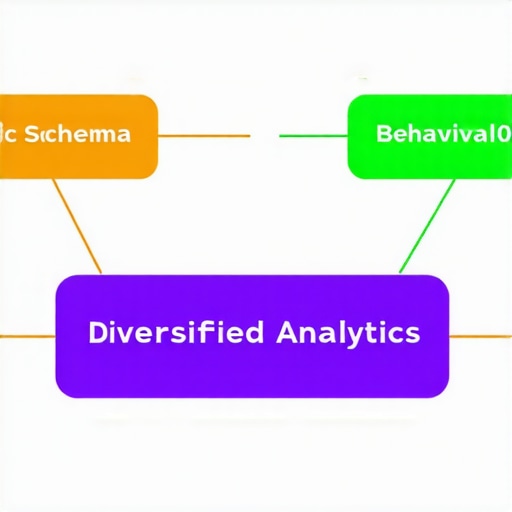
Visualize multi-layered local SEO: A comprehensive diagram illustrating the integration of semantic schema, behavioral analytics, and keyword diversification to create a holistic local search strategy.
Capitalize on Local Link Building with Strategic Partnerships
While backlinks remain a cornerstone of SEO, local link building requires nuanced tact. Establishing partnerships with nearby businesses, sponsoring community events, or contributing to local industry blogs can generate authoritative backlinks that reinforce your local relevance. These relationships not only boost search rankings but also foster community trust. Experimenting with reciprocal links, collaborative content, and guest contributions enhances your domain authority and deepens community presence, resulting in a more robust local SEO footprint.
Enhance User Experience to Cement Top Rankings
Technical prowess alone won’t guarantee dominance. An intuitive, fast, and accessible website ensures visitors stay engaged. Responsive design, streamlined navigation, and accessible content accessibility standards translate into longer dwell times and positive user signals—a vital aspect for ranking algorithms. As Google’s Page Experience update intensifies, prioritizing core web vitals—like First Input Delay (FID) and cumulative layout shift (CLS)—can distinguish your shop from competitors still grappling with technical issues.
What innovative tools can small shops adopt to streamline local SEO management at scale?
Exploring comprehensive platforms like Local SEO Pro Tools offers automation of citation management, review monitoring, and performance analytics. Market leaders emphasize automation’s role in maintaining consistency across multiple channels, minimizing manual oversight while maximizing impact. Integrating these tools into your daily operations can foster agility and ensure your local SEO efforts adapt swiftly to algorithmic shifts.
For those committed to elevating their local marketing game, embracing an iterative, data-informed approach is paramount. Sharing insights and case studies within professional communities—such as forums and industry groups—not only accelerates your learning curve but also contributes to shaping industry-wide best practices. Reach out via our contact page to collaborate with like-minded experts eager to forge innovative local SEO strategies.
Reimagining Community Engagement: From Basic Listings to Authentic Local Narratives
Traditional local SEO heavily relies on optimizing Google My Business profiles and local keywords; however, a transformative approach emphasizes cultivating authentic narratives that resonate deeply within the community fabric. By crafting compelling stories around neighborhood history, local events, and customer experiences, small retailers establish an emotional connection that search algorithms are increasingly recognizing as signals of relevance and trustworthiness. This strategic storytelling not only enhances content richness but also encourages user-generated content, further amplifying local signals dictated by semantic relevance and social proof. Embedding these narratives into your website and social channels positions your business as a community cornerstone, translating into improved local rankings and heightened customer loyalty.
How can hyper-local content strategies outperform generic SEO in fostering community trust?
Utilizing rich, community-focused content tailored to hyper-specific neighborhoods or districts bridges the gap between algorithmic relevance and genuine user engagement. Studies from the Journal of Digital Marketing highlight that localized storytelling increases dwell time and shares within community networks, reinforcing both brand affinity and SEO signals. Incorporating micro-moments—like featuring local heroes or spotlighting neighborhood initiatives—makes your content more relatable and shareable, ultimately positioning your business as an integral part of the local digital ecosystem. For advanced strategists, leveraging geo-tagged multimedia and interactive maps within these narratives enhances user engagement and boosts contextual relevance.
To stay at the forefront of this paradigm shift, consider integrating emerging data analytics tools such as Local Insights Platform, which offers granular neighborhood engagement metrics and sentiment analysis—empowering you to craft hyper-local content with surgical precision.
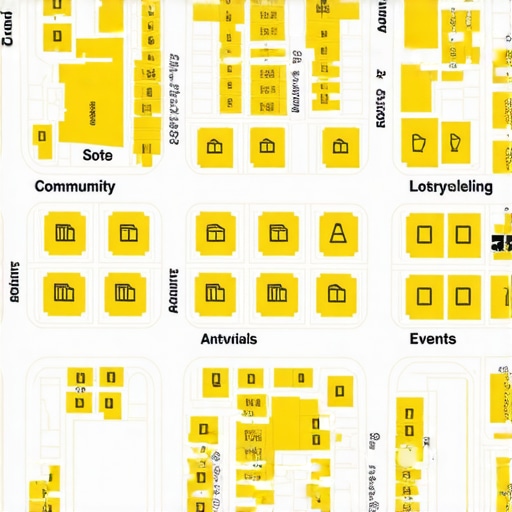
Illustrative image: A neighborhood map overlay showcasing hotspots for community-driven content, such as local events and landmarks paired with digital storytelling elements.
Decoding the Voice Search Revolution with Local Nuance
The proliferation of voice-activated devices has introduced a nuanced layer to local search, demanding businesses adapt their digital strategies to accommodate natural, conversational queries. Unlike traditional keyword optimization, voice search optimization involves anticipating spoken language patterns, regional dialects, and context-specific inquiries that reflect real-world intent. For example, customers might ask, “Where can I find the best gluten-free bakery near me?” instead of the plain keyword “gluten-free bakery.” Incorporating long-tail, conversational phrases, FAQs tailored to local dialects, and structured data that contextualizes business offerings positions your shop at the intersection where AI-powered voice assistants deliver priority responses.
What sophisticated techniques best position small shops amidst the voice search paradigm?
Employing advanced schema markup for Q&A pairings, event schedules, and service menus ensures your business is discoverable through voice. Additionally, analyzing regional speech patterns via linguistic corpora provides insights to craft content that mirrors local vernacular, elevating your chances of capturing voice queries. For substantive accuracy, consult industry standards such as Google’s Structured Data Guidelines, to refine your markup strategies effectively. Embedding comprehensive, voice-friendly content across your digital assets guarantees your small shop remains visible amidst the surge of AI-driven local searches, securing competitive advantage with precision.
Seize this opportunity to redefine your local SEO approach by embracing voice search’s intricacies, ultimately transforming casual inquiries into lasting customer relationships.
Leverage Advanced Behavioral Analytics to Predict Customer Journeys
Beyond static keyword and schema optimization, integrating behavioral analytics unlocks predictive insights into customer preferences and engagement patterns. Tools like Predictive Behavior Analytics gather data on dwell times, navigation sequences, and interaction points to forecast future actions, enabling hyper-personalized content and services. For instance, if analytics reveal a pattern of customers interested in eco-friendly products during weekend visits, your marketing messages and inventory updates can proactively cater to this demand—enhancing user experience and elevating local relevance.
This dynamic approach demands a sophisticated understanding of real-time data interpretation, frequently involving machine learning modules that continuously evolve based on evolving customer behaviors. Incorporating these analytical insights into your local SEO framework creates a resilient, adaptive strategy that anticipates trends before they crystallize, positioning your shop miles ahead of competitors who rely solely on reactive tactics.
Are you pioneering predictive personalization to redefine local customer engagement?
Implementing these advanced analytics positions your business at the nexus of data-driven decision-making—inviting you to craft micro-moments that resonate deeply and convert consistently. Embrace these insights and engage with expert consultancies specializing in behavioral data to forge the future of local SEO strategy.
Expert Insights & Advanced Considerations
The Shift Toward Intent-Driven Content
In the evolving landscape of local SEO, a significant move is the prioritization of search intent over traditional keyword matching. Business owners must now craft content that anticipates the nuanced questions of their target audience, employing semantic SEO and tailored FAQ sections that address specific needs and contexts, thereby aligning more closely with advanced AI search behaviors.
The Power of Micro-Moments and Hyper-Localization
Focusing on micro-moments—those brief instances when consumers seek immediate information—can dramatically elevate visibility. Leveraging hyper-local strategies, such as neighborhood-specific keywords, community event coverage, and localized storytelling, fosters authentic engagement and positions your shop as an integral part of the community fabric, reinforcing trust and relevance in search algorithms.
Integrating Predictive and Behavioral Analytics
Harnessing predictive analytics tools offers small retailers the ability to forecast customer behaviors, preferences, and trending topics. This data-driven approach enables hyper-personalized marketing strategies, inventory adjustments, and service optimizations, ensuring your local SEO efforts remain agile and ahead of competitors navigating the complex, AI-influenced search ecosystem.
The Voice Search Optimization Revolution
Voice search demands a paradigm shift toward natural language and conversational content. By embedding structured data for FAQs, employing regionally tuned language, and optimizing for question-based queries, your small shop can become a dominant voice query responder, capturing a vital segment of local searches and creating seamless customer experiences.
The Role of Community Narratives in Search Authority
Authentic storytelling centered on community involvement, local history, and customer experiences humanizes your brand and signals trustworthiness to search engines. Developing rich, multimedia content around these narratives not only enhances engagement but also cultivates local loyalty, translating into improved rankings and brand recognition.
Curated Expert Resources
- Google’s Structured Data Guidelines: Provides detailed standards for implementing schema markup to enhance local search results.
- Local SEO Mastery by Moz: An authoritative resource offering advanced strategies tailored for small and local businesses seeking competitive edge.
- BrightLocal Insights: Focuses on real-world case studies and analytics tools that reveal actionable data for local SEO success.
- Local Search Association Publications: Industry-leading reports and trends with a focus on community engagement and digital visibility.
Final Perspective: Elevate with Sophisticated Local SEO
Achieving sustained success in local search for small shops hinges on embracing these advanced insights—especially content that anticipates intent, hyper-local personalization, and predictive analytics—forming a comprehensive, AI-aware strategy. If you’re ready to elevate your business, engage with industry experts, and explore cutting-edge resources, your next step awaits. Share your experiences and insights with us to shape the future of local SEO excellence.
This post resonated with me because I’ve seen firsthand how hyper-local targeting can dramatically improve a shop’s visibility, especially in competitive neighborhoods. Our small retail business in Austin started focusing more on community stories and local events, which not only increased foot traffic but also strengthened customer loyalty. I believe that authentic narratives create a connection that pure keywords can’t match.
One challenge I faced was integrating rich media and interactive content, such as maps and local landmarks, into our SEO strategy without overwhelming the website. Has anyone found effective tools or platforms that streamline this process? Also, I’m curious about how other small shops are leveraging behavioral analytics to predict customer needs—any insights or success stories? It seems like embracing these advanced techniques could be the game-changer we need to stand out in the AI-driven search landscape.