How to Fix 5 Small Shop SEO Gaps for 2026 Search AI
Elevating Small Shops Through Strategic Local SEO Innovations
As the digital landscape evolves rapidly, local businesses, particularly small retail shops, must adapt their search engine optimization strategies to maintain visibility and competitiveness. In 2026, the fusion of AI-driven search algorithms and hyper-local search intents demands a nuanced understanding of SEO intricacies tailored for smaller entities. This article explores advanced techniques to bridge critical SEO gaps, ensuring your small shop not only survives but thrives amidst the shifting algorithms.
Why Traditional SEO Fails to Meet Modern Local Search Demands
Many small business owners rely on outdated SEO tactics that overlook the subtleties of AI integration, voice search, and zero-click phenomena. These gaps often lead to diminished Google Maps visibility and reduced foot traffic. For instance, neglecting structured data markup can cause local listings to underperform despite excellent onsite content. To address these shortcomings, a comprehensive audit encompassing technical, content, and reputation signals becomes paramount, guiding strategic adjustments aligned with current AI expectations and user behaviors.
The Unsung Power of Hyper-Local Content in Outranking Larger Chains
Hyper-local content personalization emerges as a pivotal element for small shops aiming to outrank national competitors. By leveraging localized keywords and community-centric narratives, shops can signal genuine relevance to Google’s AI models. Incorporating real-time updates, local news, and user-generated reviews elevates local relevance scores. Case studies highlight how tailored content initiatives, such as neighborhood event sponsorships, can amplify local signals, significantly improving search rankings and clickable maps listings.
Expert Insights: Are Your Listings Truly Optimized for 2026 Search AI?
The question often posed in industry forums revolves around the efficacy of current Google Business Profile (GBP) optimizations. Are local listings dynamic enough to adapt to AI-driven ranking factors? Advanced optimizing involves not only verifying listing accuracy but also implementing rich media, applying strategic keywords seamlessly within descriptions, and actively engaging with customer reviews. Experts recommend performing regular audits to identify and fix emerging data inconsistencies that may hinder visibility, thus maintaining a competitive edge in local search rankings.
Implementing Data-Focused Strategies to Exceed Expectations
Data analysis plays a critical role in refining local SEO efforts. Small shops should monitor metrics like click-through rates, booking conversions, and voice search impressions, adjusting their tactics accordingly. Recognizing patterns tied to AI preferences—such as favoring visually optimized listings—enables proactive refinements. Integrating data points with local behavioral insights forms a strategic framework for sustained growth, especially as AI search continues to prioritize contextual signals over generic keywords.
How Can Small Shops Leverage Voice and Visual Search Effectively?
As voice-activated assistants and visual search gain prominence, small businesses must adapt their SEO strategies toward these modalities. Optimizing for conversational keywords, embedding structured data, and ensuring high-quality visual content can dramatically improve exposure. For example, employing schema markup for menus, products, and reviews enhances the chances of capturing voice queries. Simultaneously, maintaining visually appealing images optimized with alt-text boosts chances for visual search prominence, aligning with Google’s emphasis on AI-driven multimedia relevance.
What Are The Biggest Pitfalls Small Shops Encounter When Trying To Close SEO Gaps?
Common pitfalls include neglecting local technical SEO fundamentals, such as inconsistent NAP (Name, Address, Phone Number) data, and ignoring user engagement signals like reviews and Q&A. Additionally, underutilizing structured data markup can leave valuable visibility opportunities unexplored. Overcoming these requires a deliberate focus on holistic SEO practices that incorporate technical audits, reputation management, and content relevancy, all tailored to the unique local context of each shop.
If you’re looking to harness expert-level strategies to advance your local SEO performance, explore our comprehensive guide or contact our specialists to tailor a custom plan. Your success depends on meticulous optimization and staying ahead of AI-driven search evolution.
Enhance Your Local Authority with Niche Optimization Techniques
In the rapidly shifting landscape of local search, establishing authoritative signals that resonate with AI algorithms can be a game-changer. Small shops should concentrate on hyper-targeted niche keywords and participate actively in local community events, which can significantly boost their local authority metrics. Actions like sponsoring neighborhood activities or partnering with local influencers create authentic local backlinks and generate community-centric content that Google’s AI perceives as highly relevant, thereby improving visibility.
Why Are Your Competitors Outranking You in the New AI Era?
This pressing question underscores the importance of staying ahead in local SEO. Many small businesses overlook the critical role of structured data markup and AI-friendly content formatting, which impacts how their listings are understood by search algorithms. Regularly auditing your Google Business Profile to ensure consistency, engaging your audience through tailored Q&A sections, and integrating schema for products and services turn your listing into a comprehensive AI-compatible hub. To deepen your understanding of these strategies, consult our latest insights.
Leverage Small Data to Drive Big Local Results
Harnessing analytics beyond generic metrics involves delving into user behavior data like local search patterns, voice query origins, and visual search interactions. These insights enable small shops to adapt their SEO tactics proactively, such as optimizing interior signage for visual search or crafting voice-optimized FAQ pages. Small data points, like the most popular local queries, should guide your keyword strategy for maximum resonance and ranking potential, especially as AI search prioritizes contextually relevant information. To understand which data points matter most, explore our detailed guide.
Are You Ready for the Next Generation of Local Search AI?
Preparing your shop for AI-dominated search results requires a mindset shift from keyword stuffing to context-rich, experience-driven content. It’s crucial to integrate multimedia elements that AI can interpret—such as high-quality images with descriptive alt texts, videos showcasing your offerings, and rich snippets embedded within your site. This comprehensive approach aligns with Google’s evolving criteria for local ranking and helps you stand out amid fierce competition. To stay at the forefront of this evolution, consider consulting our specialized strategies.
If you’re eager to implement these advanced tactics effectively, reach out through our contact page and let our experts craft a custom plan tailored to your business needs. Staying proactive now can secure your shop’s visibility in the AI-driven future of local search.
Harnessing AI-Powered Local Search Insights to Fine-Tune Your Strategy
In today’s hyper-competitive local environment, leveraging artificial intelligence isn’t just optional—it’s essential. Advanced AI models analyze user intent, location data, and behavioral patterns to deliver hyper-relevant results. Small shops can utilize AI-driven tools like predictive analytics platforms to identify emerging local search trends, allowing for proactive content adjustments. For example, integrating real-time sentiment analysis from reviews can uncover subtle shifts in customer preferences, enabling businesses to tailor their offerings accordingly. A recent study by Google Research indicates that AI models heavily weigh contextual signals over mere keyword frequency, emphasizing the need for sophisticated, intent-focused content creation.
What sophisticated techniques can small shops employ to align their local SEO with AI’s evolving understanding?
Implementing structured data at a granular level, such as schema markup for events, products, or local business attributes, enhances AI comprehension of your offerings. Incorporating natural language processing (NLP) optimized FAQs on your website can also capture voice search variations, a rapidly growing segment. Moreover, creating dynamic content that adapts based on local weather, seasons, or community events demonstrates contextual relevance, encouraging AI algorithms to elevate your profile in local search rankings. To successfully execute these tactics, consider consulting specialized SEO tools like BrightLocal’s AI integration features, which analyze and suggest enhancements aligned with the latest AI trends.

Develop a high-quality visual illustrating AI-driven local SEO data analytics dashboard with real-time insights tailored for small business owners.
Enhancing Community Engagement as a Signal for AI Recognition
While technical optimizations are foundational, boosting your community engagement can significantly influence AI perception of your local authority. Actions like sponsoring neighborhood events, collaborating with local influencers, and participating in community projects generate authentic backlinks and user engagement signals that AI models interpret as indicators of trustworthiness and relevance. For instance, hosting a local workshop or charity drive and promoting it via strategically optimized content can lead to increased mentions, reviews, and social sharing—all of which bolster local search rankings. As AI increasingly prioritizes social proof and community validation, these grassroots efforts can translate into tangible SEO gains.
How can small shops integrate community signals seamlessly into their SEO framework?
Integrate community activities into your content calendar, ensuring each event is documented with high-quality images, videos, and local press coverage. Use schema markup to highlight events and community partnerships, making these signals easily recognizable by search engines. Additionally, actively encourage satisfied customers and partners to leave reviews and share their experiences on social platforms, amplifying your local reputation footprint. Tools like Moz Local can assist in tracking the impact of community initiatives on your local visibility, guiding future engagement priorities.
Include a vibrant photo of a small shop sponsoring a local community event with smiling attendees and promotional signage.
Navigating the Multi-Modal Search Landscape: Visual, Voice, and Beyond
Multi-modal search—encompassing voice, visual, and even augmented reality—is reshaping how consumers discover local businesses. Small shops must adapt their SEO to ensure their visibility across these diverse modalities. For visual search, high-quality images with descriptive alt text, optimized product photos, and 3D virtual tours create multiple touchpoints for AI-driven visual recognition systems. With voice search, embedding conversational and long-tail keywords into FAQs and service descriptions ensures your business responds accurately to voice queries like, “Where can I find vegetarian sandwiches nearby?” and similar intents.
Furthermore, emerging augmented reality (AR) experiences—such as virtual try-ons or location-specific overlays—offer innovative ways to engage consumers. Integrating AR into your local marketing strategy not only enhances user experience but also signals to search engines your brand’s commitment to cutting-edge, multi-modal relevance.
How can small shops optimize their content for voice and visual AI recognition while maintaining authenticity?
Focus on creating natural, conversational content that aligns with how customers verbally inquire about products and services. Use schema markup for visual content to improve recognition and indexing. Regularly update your image and video metadata with descriptive, keyword-rich alt texts. Additionally, implementing a FAQ schema that anticipates common voice search questions can dramatically improve your chances of appearing in voice results. Finally, ensure your website and content maintain an authentic voice and local flavor—AI recognizes genuine engagement and local relevance better than generic templates. For comprehensive guidance, explore resources such as Google’s Search Central guidelines on voice optimization.
Harnessing Contextual Signals to Outpace AI Limitations
As AI continues refining its understanding of user intent, small business owners must focus on embedding contextual signals into their SEO practices. Incorporating localized event data, seasonal trends, and community narratives within website content and meta descriptions not only boosts relevance but also aligns with AI’s preference for semantic understanding. For instance, highlighting participation in regional festivals or local charity events can create a robust authenticity layer that algorithms recognize as authoritative.
Can Advanced Schema Markup Transform a Shop’s Visibility?
Implementing granular schema markup allows small shops to communicate complex information directly to search engines, enabling rich snippets and enhanced local listings. Beyond basic organization schemas, utilizing event, menu, product, and review schemas enables AI systems to parse a detailed understanding of your offerings. According to a detailed analysis by Moz’s Local SEO guide, these enhancements can lead to significant CTR improvements and higher ranking placements, especially when combined with accurate NAP data.
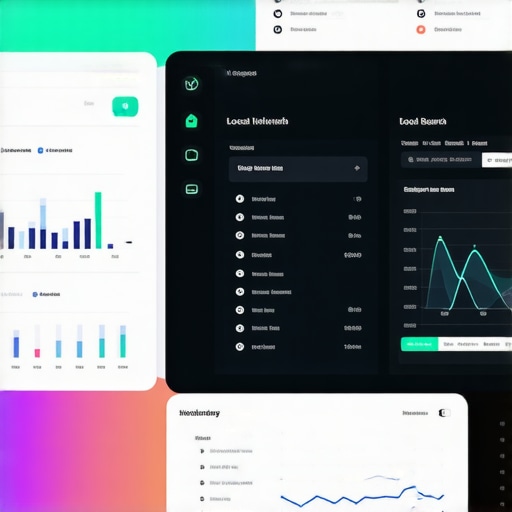
Illustrate an advanced schema markup implementation dashboard with code snippets and visual annotations demonstrating schema types for local businesses.
What Novel Techniques Will Define Future Local Search Optimization?
Emerging frontiers such as augmented reality integrations, personalized geofencing, and AI-driven reputation management will become instrumental. Small shops investing in AR tours or virtual storefronts can create immersive experiences that resonate with local digital natives, encouraging both social sharing and engagement signals that influence AI rankings. Additionally, leveraging real-time sentiment analysis tools can provide immediate feedback, allowing businesses to adjust their messaging proactively and protect their reputation in dynamic local markets.
Maximizing the Impact of User-Generated Content on Search AI
Encouraging and strategically integrating user reviews, photos, and Q&A sessions can decisively influence local SEO. Reviews contribute fresh, keyword-rich content that AI models interpret as signs of active community engagement. Implementing review solicitation campaigns, coupled with timely responses and multimedia content, fosters trustworthiness and enhances your local authority profile. Gartner’s recent research emphasizes that authentic user-generated signals are now among the top ranking factors in local AI algorithms, underscoring their importance in modern SEO.
Is Your Local SEO Ready for Multimodal AI Search?
Adapting to multimodal AI involves optimizing for diverse content formats across platforms. High-resolution images, optimized videos, and conversational snippets prepared specifically for voice queries should be integral components of your strategy. Embedding structured data for products and services ensures AI can efficiently categorize and surface your offerings in visual and voice searches. Proactive investment in multimedia content creation, aligned with local narratives, positions your shop at the intersection of various AI-driven search modalities, creating a seamless discovery experience for customers across channels.
How do you craft a resilient local SEO blueprint that anticipates AI evolution?
Building a resilient local SEO plan involves continuous learning about emerging AI capabilities, integrating sophisticated schema, maintaining data accuracy, and fostering genuine community connections. Regularly auditing your digital footprint, adopting new AI-compatible content formats, and leveraging predictive analytics empower small shops to stay ahead. Collaborations with industry experts through webinars and workshops can further enhance your strategic foresight, ensuring your local presence remains dominant in the AI-powered search landscape. For tailored guidance, explore advanced resources at Moz’s local search section or contact specialized digital marketing consultants specializing in AI-centric strategies.
Expert Insights That Redefine Local SEO Strategies
Prioritize Community Engagement to Strengthen AI Trust
Building genuine community relationships signals to AI algorithms that your business belongs to the local fabric, enhancing relevance and ranking. Hosting events, collaborating with influencers, and actively participating in local causes create authentic signals that resonate with modern search AI.
Leverage Structured Data for Precise AI Communication
Implementing granular schema markup—covering products, events, and local attributes—enables search engines to understand your offerings at a semantic level, improving visibility in rich snippets and visual searches crucial in 2026.
Create Multimodal Content for a Seamless User Journey
Combining high-quality images with detailed alt texts, engaging videos, and conversational FAQs tailored for voice search ensures your business appears across diverse AI-powered search experiences, boosting reach and conversion.
Anticipate AI Trends with Dynamic, Contextual Content
Real-time updates tied to local events, seasonal shifts, or community narratives help search AI recognize your relevance, keeping your shop ahead in the competitive local landscape of 2026.
Curated Resources to Elevate Your Knowledge
- Google Search Central: Offers authoritative guidance on structuring your local content with rich snippets and schema markup, essential for AI communication.
- Moz Local SEO Guides: Provides in-depth tactics on managing local citations, reviews, and community signals with a focus on future-proof strategies.
- BrightLocal AI Integration Tutorials: Showcases how to utilize AI-driven insights and predictive analytics to monitor local search trends proactively.
- Google My Business Help Center: Keeps you updated on latest features like multimedia enhancements and A/B testing for local listings.
- Local SEO Industry Webinars: Regular expert-led sessions covering emerging trends like AR, multimodal search, and reputation management for 2026 and beyond.
Reflections on Navigating the Next Shift in Local Search
Successfully positioning your small shop in 2026 demands more than traditional tactics—considering hyper-local community signals, sophisticated schema, and multimodal content is vital. The most impactful insights revolve around integrating authentic engagement with advanced AI-compatible content and leveraging predictive analytics. These strategies not only amplify your visibility but also foster trustworthiness with modern search AI systems. Embracing this evolution will distinguish forward-thinking small businesses from the competition. Ready to elevate your local SEO? Reach out through our contact page and let our experts guide you into the future of local search excellence.
Leave a Reply