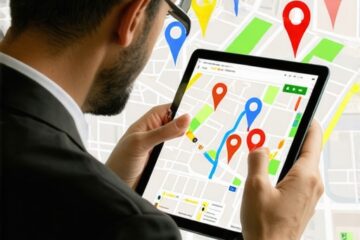
Empowering Small Shops in the Digital Arena through Advanced Local SEO
In a hyper-competitive retail environment dominated by massive chains and e-commerce giants, small shops face the pressing challenge of distinguishing themselves in local search results. Leveraging sophisticated local business SEO techniques becomes essential not only for visibility but also for establishing a resilient digital presence that drives foot traffic and online engagement.
Deciphering the Nuances of Google Business Optimization
At the core of effective local SEO lies Google My Business (GMB) optimization. Small retailers must move beyond basic listings to strategically harness features such as localized keywords, service-specific descriptions, and customer review management. According to recent industry insights, a well-optimized GMB profile can significantly elevate a store’s prominence in map pack rankings, surpassing competitors that neglect this critical facet of professional local SEO.
Adopting Semantic SEO for Enhanced Local Signal Recognition
Semantic SEO integration allows local shop owners to align their content with user intent and contextually relevant search queries, thereby improving relevance in highly localized search results. Incorporating LSI keywords—such as “neighborhood retail strategies” or “local branding tips”—within a structured content hierarchy ensures search engines comprehend the multifaceted value proposition of the business, enabling outperforming larger competitors in niche search segments.
Advanced Strategies for Outranking Larger Retailers
Small shops with limited marketing budgets can capitalize on professional local SEO tactics, such as hyperlocal content creation, strategic citation building, and leveraging local backlinks. Precision in local keyword targeting, combined with schema markup and review schema, substantiates local relevance, leaving bigger players behind in nuanced search markets.
How Does Technical SEO Influence Local Shop Visibility in Competitive Markets?
What technical elements most critically impact a small shop’s map rank amid rising AI-driven search algorithms?
Optimizing website speed, mobile responsiveness, and structured data implementation are essential. As AI agents increasingly interpret local signals, the emphasis on technical SEO facets becomes more apparent. A seamless user experience coupled with accurate NAP (Name, Address, Phone Number) data corroborates the local signals that search engines rely upon to rank small businesses effectively.
For a comprehensive understanding of how sophisticated Google Business SEO enhancements can amplify your shop’s presence, explore our detailed resources and consider implementing layered strategies that anticipate search AI evolutions.
Engaging with expert community forums or hiring specialized SEO consultants can fill gaps in your localized marketing efforts. As the landscape evolves, continuous adaptation remains crucial for small enterprises seeking to challenge larger competitors in local digital spaces.
To share your insights or learn about emerging tactics tailored for tiny neighborhood shops, visit our contact page. Staying ahead requires a balanced blend of technical mastery, content innovation, and strategic local signal management.
Mastering Content Strategies to Dominate Local Search Results
Coloring outside the lines of generic descriptions, small retailers should craft hyperlocal content that resonates deeply with the community. Engaging blog posts highlighting neighborhood events, customer stories, or local collaborations not only foster community trust but also signal relevance to search engines. Incorporating localized keywords naturally within content ensures visitors feel connected and search engines recognize the business’s embeddedness within its geographic context. As expert insights emphasize, content that showcases community involvement can be a decisive factor in rankings, especially in competitive local environments.
Harnessing the Power of Structured Data to Boost Map Pack Presence
One of the most potent yet underutilized techniques involves implementing schema markup tailored for local businesses. Rich snippets—such as offerings, event information, and customer reviews—when properly structured using schema.org vocabulary, can enhance your storefront’s appearance in search results, making it more clickable and trustworthy. For instance, embedding review schema can amplify social proof directly within search listings, influencing user behavior and improving click-through rates. This approach effectively communicates your shop’s unique selling points to search algorithms aiming to deliver highly relevant local results.
< >
>
Challenging Assumptions: Is Backlink Quantity Still Critical for Small Shops?
Given the rise of AI-driven search signals, how much weight do backlinks truly hold in local SEO rankings for small businesses in 2025?
While traditional SEO wisdom underscores the importance of backlinks, recent trends indicate that small shops can succeed by focusing on authoritative local signals instead—such as accurate NAP data, reviews, and engagement metrics. AI algorithms prioritize local relevance and user intent more heavily than backlink volume, especially in hyperlocal searches. According to recent industry analysis, strategic consolidation of local signals often outweighs backlink count in competitive neighborhoods, making it essential for shops to fine-tune their onsite and local profile optimizations comprehensively.
For small retailers seeking to amplify their local footprint without spreading resources thin, mastering schema implementation and content innovation can be the game-changers that place them ahead of larger, backlink-heavy competitors. To learn more about refining your local SEO approach, explore our comprehensive strategies.
If you’ve encountered challenges or innovative tactics worth sharing, we invite you to leave a comment or join our community discussions. Continuous learning and adaptation are key to thriving in the ever-evolving local search landscape.
Turning Neighborhood Stories into SEO Gold: Content That Connects and Converts
For small shops eager to carve out a distinct niche in local search results, hyperlocal content isn’t just a marketing buzzword—it’s a strategic powerhouse. Crafting narratives that resonate with community members not only fosters genuine trust but also signals relevance to search engines favoring localized authority. Detailed blog posts about neighborhood events, behind-the-scenes looks at local collaborations, or spotlight features on loyal clientele instantly deepen community bonds while bolstering your site’s topical authority.
But the key lies in integrating SEO best practices seamlessly into storytelling. Embedding naturally flowing localized keywords—such as
The Power of Micro-Targeting in Hyperlocal SEO Tactics
Within the intricate landscape of local SEO, micro-targeting has emerged as a pivotal strategy for small businesses seeking to outmaneuver larger competitors. By focusing on hyper-detailed geographic segments—such as specific neighborhoods, street corners, or community hubs—retailers can craft content and optimize profiles that resonate profoundly with targeted audiences. This precision approach enables businesses to capture niche queries that often go unnoticed by broad-spectrum strategies, thereby increasing the likelihood of appearing in the coveted map pack and local finder results.
How Can Augmented Reality Enhance Local Search Engagement?
Emerging augmented reality (AR) applications are revolutionizing how consumers interact with local businesses. For example, integrating AR features with Google Maps can allow users to virtually browse a shop or see product placements in real-world environments before visiting. For small shops, adopting AR augmentation not only elevates customer engagement but also signals to search engines a commitment to innovative, user-centric experiences. As search algorithms evolve to prioritize multimedia-rich interactions, leveraging AR can significantly bolster local relevance and brand differentiation.
What Role Does Voice Search Play in Fine-Tuning Local Visibility?
Advancements in voice recognition technology have precipitated a surge in conversational, long-tail voice queries tailor-made for local intent. Small retailers must optimize for voice search by incorporating natural language keywords and question-based content, capturing voice-driven traffic that often signifies prime purchasing intent. According to a detailed report from Search Engine Land, optimizing for voice involves reconfiguring your content to answer specific user inquiries efficiently, thereby enhancing your chances to appear in voice-assisted local search results.
Moreover, integrating Structured Data Markup for Frequently Asked Questions (FAQ) sections further amplifies voice search compatibility, positioning your business at the forefront of this conversational search wave. Crafting concise, comprehensively answered questions embedded with localized keywords will position your shop as an authoritative voice in the community, ensuring visibility when potential customers seek recommendations via voice assistants.
Leverage External Resources for Elevated Search Performance
Engaging with specialized resources and industry-leading tools enhances your local SEO resilience. Platforms like Moz Local and BrightLocal provide invaluable insights into citation consistency, review management, and competitor analysis—elements critical for maintaining a dynamic and authoritative presence. Regularly auditing your local profile data against authoritative directories fortifies your digital footprint, ensuring search engines recognize your business as a trustworthy local entity. Collaborative efforts with community influencers and local bloggers can also generate high-quality backlinks and contextual relevance, further reinforcing your local authority in a competitive landscape.
Optimize Foot Traffic with Smart Geofencing and Personalization
Implementing geofencing technology allows small shops to deliver hyper-targeted promotions and notifications to customers when they are within a specific radius. Coupled with personalized messaging based on customer behavior and preferences, this tactic significantly enhances in-store engagement and conversions. For example, a local café might offer a limited-time discount to individuals nearby, encouraging immediate foot traffic. This real-time, location-based marketing strategy aligns with the latest AI-driven personalization algorithms, which increasingly reward businesses that deliver timely, relevant experiences.

Challenging Old Paradigms: Is Quantity Still Key to Backlinks?
In an era dominated by sophisticated AI algorithms, the traditional emphasis on backlink quantity is giving way to quality and contextual relevance. Small retailers can outperform larger competitors by cultivating high-authority, locally relevant backlinks from community organizations, local newspapers, and industry associations. According to Search Engine Land, a strategic focus on niche-relevant linking domains enhances topical authority more effectively than sheer volume. Building genuine relationships with local content creators and earning organic citations can transform your backlink profile from a numbers game to a precision-targeted signal of local relevance and trustworthiness.
Integrating these advanced backlink strategies with schema markup and optimized content creates a holistic approach, aligning technical, content, and off-site signals into a comprehensive local SEO ecosystem capable of standing resilient against algorithm shifts.
Community-Centric Content: Beyond Traditional Blogging
To truly resonate within local ecosystems, small shops should craft community-centric multimedia campaigns that showcase local stories, user-generated content, and neighborhood successes. Utilizing video testimonials, behind-the-scenes footage, and live-streamed events can foster deeper emotional connections and generate natural backlinks from community outlets. Embedding these assets strategically into your website and social profiles ensures your business remains top-of-mind and highly relevant in local search results, especially as search engines increasingly favor engagement metrics and social signals.
Unlocking the Potential of Local Video Optimization
Video content has become indispensable for capturing local intent. Optimizing videos for local SEO involves not only applying schema markup but also creating localized descriptions, tagging with neighborhood keywords, and hosting on platforms like YouTube and Google My Business. Videos showcasing your store, local collaborations, and customer experiences deepen engagement and provide rich signals to search engines. By analyzing viewer demographics and interaction rates, small retailers can refine their content strategy, ensuring their visual narratives continue driving local discovery and foot traffic.
Senior Strategies: Harnessing Niche Signals for Dominance
Major brands often overlook the power of hyperlocal signals, which can be game-changers for small shops aiming to outrank industry giants. Leveraging advanced local SEO practices, like micro-mapping neighborhood trends and community-specific keywords, positions your store at the forefront when nearby customers search for relevant services. Industry leaders emphasize that integrating micro-targeted content with schema markup enhances both visual prominence and search relevance.
Think Beyond Traditional
Stepping outside generic SEO routines, focus on emerging locally relevant factors such as neighborhood events and regional partnerships. These initiatives can generate high-quality local backlinks and community trust—fueling your shop’s visibility in ways large competitors cannot easily replicate.
Strategic Sourcing of Expert Tools
Utilize authoritative platforms like Moz Local and BrightLocal for competitive audits, citation consistency, and review management. These tools provide actionable insights tailored to small businesses seeking rapid growth in their local markets.
Harnessing the Power of Community-Centric Content
Creating videos and stories that showcase neighborhood pride builds authentic engagement and generates organic backlinks. Embedding these assets within your site and optimizing with localized keywords ensures your business remains top-of-mind in local discovery.
Final Reflection: Your Niche, Your Rules
Small shops that prioritize sophisticated local signals and community resonance will find more opportunities to stand out amid the noise. Disregarding these nuanced technical and content strategies can mean the difference between a thriving storefront and obscurity. Engage in continuous learning by exploring expert Google Business tactics and stay ahead of evolving AI-driven search engines. Your next success story could be just one strategic move away.