Top Strategies for Local Business Optimization to Boost Small Shop Visibility
Unlocking the Full Potential of Local SEO for Small Businesses
In an era where digital presence directly correlates with foot traffic and revenue, small shops must harness advanced local SEO strategies to stand out amidst fierce competition. The intricacies of local search optimization require a nuanced understanding of evolving algorithms, consumer behavior, and niche-specific tactics. This article explores expert-level approaches to transforming your small shop’s visibility by integrating cutting-edge SEO practices rooted in data-driven insights and authoritative sources.
Why Local SEO Is the Cornerstone of Small Shop Success
For local entrepreneurs, visibility isn’t just about ranking higher; it’s about creating a compelling digital footprint that resonates with nearby consumers. As Google’s local pack algorithms become more sophisticated, leveraging Google Business Profile optimization and schema markup can significantly enhance your shop’s prominence in local search results. Understanding the intersection of user intent and search query semantics is vital for strategic positioning.
How to Leverage Hyper-Localized Content for Competitive Advantage
Creating hyper-localized content tailored to specific neighborhoods, events, or community interests can foster organic engagement and backlinks, which are critical for authority building. Incorporate LSI keywords such as “neighborhood-specific offers” and “local artisan products” seamlessly into your content to improve relevance. Utilizing localized blog posts, testimonials, and case studies not only boosts SEO but also nurtures community trust.
Expert Insights: The Role of Voice Search and AI in Local Optimization
Emerging technologies like voice search and AI-driven personalization are reshaping local SEO landscapes. According to recent white papers from industry research, optimizing for natural language queries and conversational keywords will become increasingly crucial. Small shops that adapt to these trends early will gain a competitive edge by capturing voice-activated local intents.
What Are the Most Overlooked Local SEO Opportunities That Small Shops Can Exploit?
Many small businesses overlook the potential of local reviews and user-generated content as powerful assets for SEO. Encouraging satisfied customers to leave detailed reviews and engaging with community forums can foster trust and improve ranking signals. Moreover, integrating structured data enhances search engine understanding of your offerings, further improving visibility.
For a comprehensive approach, consider consulting authoritative resources like Moz’s local SEO starter guide or engaging with local SEO communities to stay ahead of algorithm updates. Your shop’s digital strategy should be dynamic, data-informed, and community-centric to truly elevate visibility in 2024 and beyond.
Explore more expert insights and share your experiences by visiting our contact page. Continuous learning and adaptation are the keys to sustained local search success.
Exploring Niche-Specific Local SEO Strategies for Unique Business Models
Many small businesses operate within highly specialized niches, yet often overlook tailored SEO tactics that can dramatically enhance their visibility. For example, a boutique offering eco-friendly products can optimize for keywords like “sustainable local shopping” or “green products in [city]”. Incorporating niche-specific keywords into your Google Business Profile and local content ensures your shop appears prominently when consumers seek specialized offerings. Additionally, leveraging niche directories and industry-specific forums can serve as powerful backlinks, boosting your domain authority and local ranking.
How Can Data-Driven Insights Revolutionize Local SEO Campaigns?
Harnessing analytics tools like Google Analytics and Search Console provides invaluable data about customer behavior, search trends, and user engagement. Small shops that interpret these insights can refine their keyword strategies, optimize content, and tailor their Google My Business posts to match evolving consumer interests. For instance, if data indicates a rising trend in “order online” searches within your locale, integrating online ordering links and updates into your profile can drive conversions. To implement such insights effectively, consult authoritative resources such as professional local SEO techniques.
What innovative tools or frameworks can small shops employ to stay ahead in local search?
Emerging AI-powered tools like ChatGPT for content generation or local review monitoring platforms can streamline your SEO efforts, making them more efficient and impactful. Using local schema markup with structured data enhances your shop’s appearance in rich snippets, directly influencing click-through rates. Moreover, adopting a systematic approach such as the “Local SEO Audit Framework”—a comprehensive checklist covering citations, reviews, on-page optimization, and backlinks—ensures continuous improvement and adaptation to Google’s algorithm changes.
For a practical guide, explore how to transform your small shop with effective local SEO. Sharing insights and experiences with fellow entrepreneurs can also foster community-driven strategies that keep your business resilient and competitive in the local market.
Leveraging Sophisticated Local SEO Tactics to Outperform Competitors
In the fiercely competitive landscape of local markets, small businesses must go beyond basic SEO techniques to establish a commanding digital presence. This entails integrating advanced schema markup strategies, implementing machine learning-driven keyword analytics, and fine-tuning your local citations for maximum impact. These methods require a nuanced understanding of both technical SEO and consumer behavior analytics, positioning your shop as a leader rather than just a participant in local search results.
Harnessing Structured Data for Enhanced Visibility and Rich Snippets
Structured data, especially schema.org markup, is central to making your local listings stand out. By meticulously implementing LocalBusiness schema, including details like geo-coordinates, hours of operation, and service offerings, you enable search engines to better interpret your content. This directly influences your eligibility for rich snippets, which can significantly improve click-through rates. According to a 2023 report by Search Engine Journal, sites utilizing comprehensive schema markup experience up to a 30% increase in organic traffic from local searches.
How can small shops efficiently audit and optimize schema markup to maximize local search visibility?
Implementing an effective schema audit involves utilizing tools like Google’s Rich Results Test and Schema Markup Validator to identify missing or improperly configured data. Regularly updating schema to reflect seasonal offers, new services, or operational changes ensures your listings remain accurate and compelling. For ongoing optimization, consider integrating automated schema management tools that adapt markup dynamically based on your content updates, thereby maintaining optimal search engine understanding and visibility.
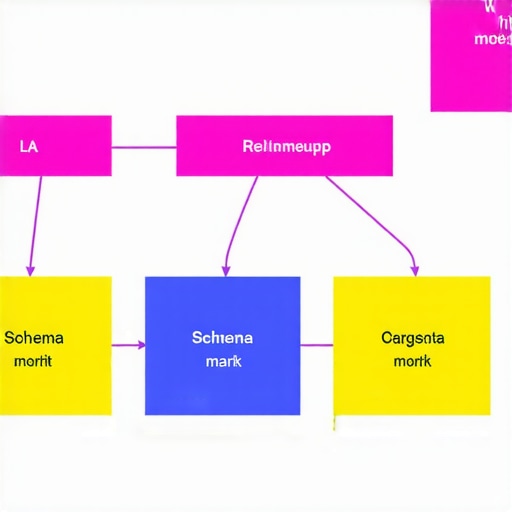
Illustration of schema markup implementation process on a local business website, highlighting key elements like address, hours, and services.
Incorporating AI and Machine Learning for Predictive Local SEO Strategies
Emerging AI technologies enable predictive analytics that can forecast local search trends based on historical data, seasonal fluctuations, and consumer behavior patterns. Tools like Google’s Vertex AI or IBM Watson can analyze vast datasets, providing actionable insights such as optimal keywords, content timing, and review solicitation strategies. Small businesses that leverage these insights gain a strategic edge, enabling proactive adjustments rather than reactive fixes, thereby improving rankings and customer engagement.
What are the best practices for integrating AI-driven insights into a local SEO strategy without overcomplicating implementation?
Start by defining clear KPIs aligned with your business goals, then utilize user-friendly AI tools that offer dashboards and simplified reporting. Regularly train your team or hire specialists who can interpret AI outputs into actionable tasks such as content updates, review responses, or citation audits. Remember, the goal is to enhance your existing SEO framework with data-driven intelligence without losing sight of genuine customer engagement and community relations.
Harnessing Semantic Search for Precise Local Intent Capture
Semantic search optimization involves aligning your content with user intent through the strategic use of natural language processing (NLP) and contextually relevant keywords. By leveraging tools like Google’s BERT algorithm insights, small businesses can craft content that resonates more accurately with complex search queries, enhancing relevance. Implementing latent semantic indexing (LSI) keywords and conversational phrases ensures your shop appears for nuanced local searches, thereby attracting highly targeted traffic.
How Can Advanced Schema Markup Elevate Your Local Listings?
Beyond basic schema, deploying comprehensive structured data—such as Product, Review, and Event schemas—can significantly enrich your local snippets. For instance, integrating detailed review schemas with star ratings and customer feedback not only improves visibility but also builds trust. Using tools like Google’s Structured Data Markup Helper allows meticulous schema implementation, ensuring your listings stand out in crowded local packs. Consistently auditing schema accuracy with the Schema Markup Validator sustains optimal rich snippet eligibility.
What Role Do Hyperlocal Data Analytics Play in Fine-Tuning Your Strategy?
Advanced analytics platforms like NearMe or Placer.ai provide granular insights into foot traffic patterns, demographic behaviors, and real-time location data. Analyzing these datasets enables selective targeting of high-potential neighborhoods and time slots, optimizing marketing campaigns and operational hours. For example, identifying peak customer visitation times can inform staff scheduling and promotional timing, thus maximizing conversion rates and local engagement.
How Can Machine Learning Algorithms Predict and Influence Local Consumer Trends?
Machine learning models, such as predictive clustering and time-series forecasting, analyze historical search data and social media trends to anticipate future local demand. Integrating these insights with your SEO strategy allows proactive content creation and promotional planning. For example, if forecasts indicate a surge in eco-conscious shopping, emphasizing sustainable product lines and local eco-events can capture emerging interest before competitors react.
What Are Cutting-Edge Tools and Frameworks for Small Shops to Maintain SEO Agility?
Utilize AI-powered content optimization platforms like MarketMuse or Clearscope to refine keyword targeting and content depth. Employ automation tools such as BrightLocal or Whitespark for citation management and review generation, ensuring your local prominence remains robust. Systematic SEO audits using frameworks like Google’s Core Web Vitals guidelines combined with local-specific metrics enable continuous refinement. Staying abreast of algorithm updates through reputable sources such as Search Engine Land ensures your strategy adapts swiftly to the evolving landscape.
Engaging with these sophisticated techniques empowers your small business to not only compete but dominate within your local market. To explore these strategies further, consult industry-leading resources and consider collaborating with local SEO specialists to tailor solutions specific to your niche.
What Innovations in Local SEO Will Shape the Next Decade?
Emerging technologies like augmented reality (AR) integrations for virtual store tours and AI chatbots for instant customer engagement are transforming the local commerce experience. These innovations, combined with 5G connectivity and advanced geofencing, enable hyper-personalized marketing at an unprecedented scale. Small businesses that invest in these frontier technologies now will secure a significant competitive advantage as the local search ecosystem continues to evolve rapidly.
Expert Insights & Advanced Considerations
1. Data-Driven Personalization Enhances Engagement
Leveraging analytics and AI tools enables small shops to tailor their local SEO strategies precisely to customer preferences, increasing relevance and conversion rates.
2. Rich Schema Markup as a Trust Builder
Implementing comprehensive schema markup not only improves search visibility but also builds trust through detailed, accurate representations of your offerings in search results.
3. Hyper-Local Content as a Differentiator
Creating community-specific content fosters organic backlinks and engagement, positioning your business as a local authority and boosting local search rankings.
4. Voice Search Optimization for Future Readiness
Adapting to conversational keywords and natural language queries prepares your shop for the growing voice search trend, capturing a wider audience.
5. Integrating Predictive Analytics for Proactive SEO
Utilizing machine learning models to forecast local trends allows your business to stay ahead of the competition with timely, targeted optimizations.
Curated Expert Resources
- The Ultimate Guide to Google Business SEO: In-depth strategies for optimizing your Google profile and leveraging local search features.
- SEO Strategies for Small Shops: Practical tactics tailored to small business challenges and opportunities.
- Mastering Professional Local SEO: Advanced techniques for dominating local search results.
Final Expert Perspective
In the realm of local SEO, small businesses that harness data-driven insights, sophisticated schema implementation, and cutting-edge AI tools position themselves as industry leaders. The key lies in integrating these advanced techniques seamlessly into your existing marketing framework, ensuring agility and resilience in a competitive landscape. To deepen your expertise and stay ahead of the curve, explore these authoritative resources and consider collaborating with seasoned local SEO professionals. Your proactive approach today lays the foundation for sustained local dominance tomorrow.
This post does a great job of emphasizing how crucial local SEO has become for small shops striving to compete in their markets. I’ve seen first-hand how hyper-localized content, especially community-driven stories and neighborhood-specific offers, can significantly boost local engagement and even lead to more backlinks. One challenge I faced was keeping schema markup updated with seasonal offers and service changes, but automating some of this process with schema management tools made a noticeable difference.
The insights on AI and predictive analytics are especially intriguing. I’ve been experimenting with Google’s Vertex AI to forecast local consumer behavior, and the ability to adapt marketing efforts proactively is a game-changer. Has anyone else integrated predictive tools into their local SEO strategy? What platforms or frameworks have you found most effective for small businesses looking to stay agile in this rapidly evolving landscape? I’d love to hear more about practical implementations that have worked well.
This article highlights some advanced strategies that are truly vital for small shops aiming to elevate their local SEO game. I particularly appreciate the focus on structured data and schema markup, as ensuring these are correctly implemented can really boost visibility through rich snippets, which often get a higher click-through rate. From my experience, regularly auditing your markup and updating it to reflect new offers or seasonal changes prevents your listings from becoming outdated and losing impact.
I’d be interested to hear how others are balancing the technical side of SEO with community engagement. Creating hyper-local content is fantastic, but it can be challenging to keep it fresh and genuine. What are some effective ways small businesses have found to incorporate their community stories into their SEO efforts without sounding overly promotional? Also, with the rise of voice search, has anyone adopted specific tactics to optimize content for conversational queries aimed at local searches? Would love to learn different approaches others are exploring to stay ahead in this complex landscape.
This post does a fantastic job of highlighting the importance of integrating advanced local SEO strategies for small businesses. I’ve personally found that hyper-localized content, especially community stories and neighborhood-specific promotions, really connects with local audiences and can significantly improve engagement. However, one of the challenges I’ve faced is maintaining fresh content that resonates without sounding repetitive or overly promotional. Balancing community-driven stories with SEO best practices can be tricky but rewarding when done right.
Regarding AI and predictive analytics, I’m curious if other small shops have experimented with tools like ChatGPT to generate localized content or manage reviews more efficiently. I recently started using such tools to help craft community-focused blog posts and customer responses, which saved time and improved consistency.
Has anyone experienced measurable results from implementing predictive or AI-driven insights into their local SEO campaigns? It would be great to hear practical examples of how these technologies have helped optimize content, reviews, or local listings effectively.