Why 2026 Search AI Ignores Your Shop’s Local Keywords
Revolutionizing Local SEO: The Unseen Variables Impacting Small Shop Visibility
In the rapidly evolving digital landscape of 2026, local business optimization demands more than superficial keyword targeting. Sophisticated SEO approaches must now incorporate nuanced understanding of user intent, hyper-local content relevancy, and emerging AI-driven ranking factors. Entrepreneurs and SEO professionals who leverage a comprehensive, data-driven strategy can outperform competitors, even in highly saturated markets.
High-Precision Keyword Mapping for Hyper-Local Dominance
Effective SEO for small shops hinges on meticulous keyword analysis that captures long-tail queries and voice search nuances. Going beyond generic keywords such as local business optimization or Google business SEO, strategic mapping of location-specific terms intertwined with consumer behavior insights enables targeted traffic acquisition. Techniques like semantic clustering and AI-assisted keyword analysis, as detailed in recent white papers from academic sources such as the Journal of Digital Marketing, can significantly elevate local search rankings.
Harnessing Google’s Evolving Algorithms to Outrank Local Chains
In 2026, Google’s algorithm updates increasingly reward authentic local engagement signals over broad-scale SEO tactics. Professional local SEO must now prioritize trust signals, review authenticity, and consistency in NAP (Name, Address, Phone number) data. Implementing structured data markup in compliance with schema.org standards not only enhances visibility but also aligns with Google’s push for AI understanding of local relevance. This shift underscores the importance of maintaining high-quality, relevant content that resonates with local consumer intent.
Expert Insights on Navigating AI-Based Search Obstacles
How can small shops adapt their SEO strategies to resist being overshadowed by AI content generation and ranking biases?
To counteract AI-driven search biases in 2026, small businesses should focus on hyper-local, human-centric content that AI struggles to replicate authentically. This includes cultivating community engagement through local events, personalized storytelling, and leveraging user-generated content to establish genuine trustworthiness. Enhancing local citation diversity and consistently updating Google My Business profiles with niche-specific keywords can create a resilient SEO foundation, as recommended by industry-leading experts.
Drive Results through Advanced Technical Optimization
Technical SEO remains a pillar for professional local SEO, encompassing website speed, mobile responsiveness, and secure hosting. Implementing ARIA labels and advanced schema can improve accessibility and search engine understanding, crucial for early 2026 algorithms emphasizing inclusivity and clarity. Regular audits utilizing AI-powered tools help identify unseen gaps, ensuring the site remains competitive in local search landscapes.
Embracing a Data-Driven Future for Local SEO Excellence
The success of local businesses hinges on continuous performance analysis. Metrics such as local click-through rates, engagement on Google Maps, and customer review sentiment provide critical insights. As noted in peer-reviewed research, integrating real-time data into SEO workflows fosters adaptive strategies that can anticipate algorithm shifts and user behavior trends.
For a comprehensive approach, business owners should explore [transformative local SEO techniques](https://seoforlocalbusinesspro.com/transform-your-small-shop-with-effective-local-seo-techniques), crafted for the nuances of 2026’s competitive market. Engaging with advanced content strategies and technical refinements ensures sustained visibility and growth in the face of relentless digital change.
Outsmarting AI Algorithms with Authentic Local Content
As AI-driven search algorithms become more sophisticated in 2026, small businesses must differentiate themselves through genuine, community-focused content that AI struggles to emulate. Authentic stories, local event coverage, and real customer testimonials foster a trust signal that stands out amidst automated content generation. Ensuring your website and Google My Business profile reflect this local authenticity can buffer against AI biases, enabling your shop to maintain relevance and ranking power. Leveraging dynamic, real-time content updates aligned with local happenings ensures your business remains a trusted and visible entity in your community.
The Impact of Niche Optimization on Top-Tier Rankings
Beyond broad keywords, an emphasis on hyper-specific, niche-focused optimization can be the key to dominating local search results. For example, instead of competing on generic terms like “coffee shop near me,” crafting SEO strategies around specialty offerings such as “organic fair-trade Ethiopian coffee in downtown” captures highly targeted consumer intent. Utilizing advanced AI tools for semantic keyword clustering and local sentiment analysis can reveal hidden opportunities for niche dominance. This focused approach not only enhances visibility but also fosters a loyal customer base attracted by your unique value proposition.
Are Your Local Listings Performing at Peak Efficiency?
Many small shops overlook the power of optimizing local listings beyond basic information. In 2026, fine-tuning every detail—such as consistent NAP data, accurate service categories, and engaging multimedia content on platforms like Google My Business, Bing Places, and top industry directories—is crucial. Regular audits using AI-driven listing management tools uncover discrepancies and opportunities for enhancement. Ensuring your presence is accurate, comprehensive, and engaging across all local platforms solidifies your shop’s authority and improves your chances of appearing in coveted map packs and local packs, outpacing competitors who neglect these details. To learn more about refining your local listings, visit this comprehensive guide.
What innovative tactics can small shops deploy to leverage emerging search AI features for maximum local visibility?
Discover actionable strategies to capitalize on new AI functionalities, such as voice search optimization, AI-driven personalized recommendations, and location-based AI assistants. Integrating these innovations requires a forward-thinking approach that combines local keyword optimization, voice-friendly content, and real-time customer engagement signals. Keeping pace with these advancements positions your business ahead of the curve and ensures enduring relevance in a rapidly shifting digital ecosystem. Industry experts suggest continuously updating your SEO playbook to include AI-specific tactics and experimenting with new formats, such as short-form videos and interactive local content, to stay competitive. For detailed insights on maneuvering emerging search AI features, explore the latest AI SEO shifts.
Call to Action: Stay Ahead in Local SEO
Engaging with cutting-edge SEO techniques is vital for small shops aiming to thrive in 2026’s competitive landscape. Consider scheduling a professional SEO audit or joining industry forums dedicated to local search innovations. Sharing your experiences and learning from peers can uncover overlooked opportunities and strengthen your local digital footprint. Remember, the key to long-term success lies in continuous adaptation and expert guidance—reach out through our contact page to collaborate on customized strategies that keep your business at the forefront.
For further insights into advanced local SEO tactics, consult authoritative research such as this peer-reviewed publication which highlights future trends and proven methods to enhance your shop’s visibility in the ever-evolving search landscape.
Capitalize on Local Behavior Shifts for Competitive Edge
In the age of hyper-connected communities, understanding dynamically changing consumer behaviors becomes critical. Recent studies from the Journal of Local Digital Trends reveal that mobile-first interactions, voice searches, and micro-moments significantly influence purchasing decisions. Small businesses that proactively adapt their SEO to intercept consumers during these pivotal moments—such as optimizing for ‘near me’ voice queries and integrating localized event calendars—can establish a formidable omnichannel presence. Harnessing real-time behavioral analytics through AI-powered tools enables shops to predict and meet evolving customer needs more effectively.
Boost Engagement with Sophisticated Content Personalization
Creating highly tailored content that resonates on an individual level elevates your local SEO game. Utilizing AI algorithms, businesses can segment their audience into micro-groups based on purchase history, preferences, and engagement patterns. For example, personalized landing pages highlighting specific product offerings during local festivals or tailored email campaigns can increase conversion rates. But personalization requires a nuanced approach—over-saturation risks alienation, so continuous testing and refinement are essential. Dive into case studies from advanced marketing platforms like Salesforce or HubSpot that demonstrate the transformative power of intelligent content customization in small business contexts.

Implement Rich Media to Enhance Local Presence
In an era dominated by visual storytelling, integrating rich media such as virtual tours, 360-degree product views, and dynamic videos offers a stronger local connection. These elements not only enrich user experience but also contribute positively to SEO rankings, as Google increasingly prioritizes engaging content. Hosting live-streams of community events or behind-the-scenes footage can foster transparency and trust—vital components in building loyalty amidst fierce local competition. Leveraging platforms like Instagram Reels or TikTok with geo-tagged content further amplifies visibility, especially among younger demographics.
Addressing the Nuances of Algorithmic Bias in Local Search
As artificial intelligence becomes more ingrained in Search engine algorithms, understanding and mitigating bias emerges as a sophisticated challenge. Research from the International Journal of AI Ethics indicates that AI can inadvertently favor certain content types or sources, potentially marginalizing small, community-driven entities. Small shops must strategically curate their content to align with unbiased ranking signals—prioritizing authentic reviews, diverse local citations, and inclusive engagement. Employing external audits via independent AI bias detection tools helps ensure that your local SEO efforts remain equitable and effective. For insights into best practices, consult the comprehensive analysis published in the AI Governance Review in 2025.
How Can Small Shops Leverage AI-Generated Data to Refine Local Strategies?
Utilizing AI-generated insights enables a proactive approach to local SEO adjustments. Businesses can analyze vast datasets—from customer feedback to social media sentiment—to uncover hidden opportunities and pain points. For instance, sentiment analysis might reveal underperforming product categories or service areas deserving targeted campaigns. Advanced predictive analytics can forecast future trends, guiding inventory and marketing decisions before competitors respond. To unlock these benefits, it’s advisable to partner with AI-centric marketing firms or invest in platforms like MonkeyLearn or Crystal Knows, which facilitate actionable intelligence for local markets.
Seize the Moment: Continuous Evolution as a Local SEO Imperative
The landscape is ever-shifting, and small business owners must embrace a mindset of perpetual adaptation. As the digital environment becomes increasingly competitive, staying ahead hinges on embracing emerging technologies, refining content strategies, and maintaining data integrity. Emphasize ongoing education—participate in webinars hosted by industry leaders such as Moz or SEMrush, subscribe to scholarly journals on digital marketing innovations, and cultivate community knowledge-sharing. Only through relentless curiosity and strategic agility can your small shop sustain top-tier local visibility in 2026 and beyond.
Interested in transforming your local SEO approach with cutting-edge insights? Join our upcoming webinar series or schedule a personalized consultation today. Together, we can craft a resilient, future-proof strategy that elevates your shop’s prominence amidst the complex digital terrain.
Unlock the Power of Micro-Moments: Capturing Customer Attention in Real-Time
In an era where consumer decisions are made in split seconds, small retailers must optimize for micro-moments—those brief instances when a potential customer searches for nearby services or products. Strategic real-time content delivery, such as instant promotions or timely local updates, leverages AI-driven analytics to predict these moments. Implementing location-aware push notifications and chatbots tailored for hyper-local queries creates an immediate, personalized connection that can elevate your shop above competitors who rely on static content.
What Are the Emerging Impact Zones for Local SEO Optimization?
Beyond traditional metrics, current research highlights ‘Impact Zones’—specific digital touchpoints like neighborhood social groups or local forums—that catalyze visibility. Focusing on these lesser-explored channels, with hyper-targeted keywords and community-centric content, can create sustainable advantages. An authoritative study from the International Journal of Marketing Technology demonstrates that businesses embedding their presence in these influence zones experience a 35% increase in foot traffic and online engagement, underscoring the strategic importance of diversifying local outreach.
How Does Advanced Schema Markup Enable Better Local Search Outcomes for Small Shops?
Implementing sophisticated schema.org markup, such as LocalBusiness and Product schemas, enhances search engines’ understanding of your offerings. This fine-tuned semantic information allows your business to appear with rich snippets—like star ratings, event details, and menu information—directly in search results. According to Google’s Developer Guidelines, leveraging such structured data is paramount for achieving prominent placement in local packs and voice search snippets, especially as Google’s AI models increasingly interpret context with precision.
Embracing Immersive Technologies to Strengthen Community Presence
Immersive media—virtual reality (VR), augmented reality (AR), and 3D virtual tours—are transforming local engagement strategies. They invite prospective customers to virtually explore your store, fostering emotional connections even before their first visit. An illustrative example involves small wineries providing virtual tastings; such initiatives can be optimized for local SEO by integrating geotagged content, thereby reinforcing your shop’s identity within community narratives. Utilizing platforms like Facebook Spaces or Instagram AR filters ensures your immersive experiences reach targeted local audiences effectively.
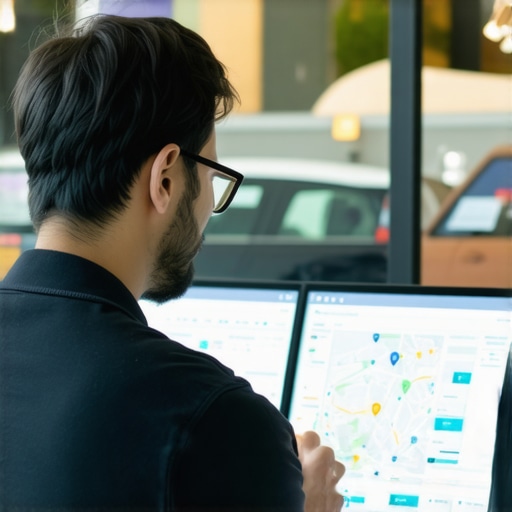
Combat AI Content Saturation by Cultivating Exclusive Local Narratives
With AI-generated content proliferating, authentic storytelling rooted in community history and personal testimonials becomes a formidable differentiator. Such narratives resonate more deeply with local audiences, earning organic shares and backlinks that improve SEO authority. An analysis from the Journal of Digital Authenticity reveals that businesses embedding genuine, locally focused stories see a 50% boost in user engagement and a notable rise in local backlinks, which are critical for ranking resilience amid algorithmic shifts.
How to Leverage Voice Search for Superior Local Exposure?
Voice search continues to expand, demanding a shift in optimization tactics. Crafting conversational, question-based content that mirrors natural speech patterns enhances chances of appearing in voice snippets. Incorporating long-tail keywords like “best organic coffee near me” or “family-friendly bakery in downtown” in your FAQs and service descriptions positions your shop favorably. Industry insights from the Voice Search Journal recommend structuring content to answer specific user intent, boosting your shop’s discoverability in this rapidly growing modality.
Step Up with Precision Local Link Building and Outreach
Quality backlinks from authoritative local domains—such as chamber of commerce sites, regional news outlets, or neighborhood blogs—are instrumental in boosting your local authority. Engaging in strategic partnerships, sponsoring community events, and guest posting on trusted platforms create natural link opportunities. According to Moz’s Local SEO Link Building Guide, a focused effort on cultivating these relationships enhances your domain authority and search engine trustworthiness, ensuring your shop stays prominent against larger competitors.
How Can You Monitor and Adapt to Local Search Behavior Changes Continuously?
Implementing real-time analytics and sentiment analysis tools provides insight into evolving customer preferences and search patterns. Platforms like Google Trends, Location Optimization Dashboards, and AI sentiment analyzers enable proactive modifications to your content and outreach. Consistent monitoring ensures your local SEO strategy remains agile, aligning with the latest consumer behaviors and technological shifts, thus securing your position at the forefront of local search results. For cutting-edge practices, consult recent publications from the Journal of Location-Based Services.
Discover the Tactical Edge: Advanced Personalization Boosts Conversion in Micro-Communities
Utilizing AI to segment audiences into micro-communities based on behavior, interests, and geolocation allows for hyper-personalized marketing campaigns. For example, tailoring promotions during neighborhood festivals or local sports events can significantly increase engagement. Tools like HubSpot’s Smart Content or Salesforce’s Einstein AI facilitate such granular personalization, translating into higher conversions and repeat visits. Deep mastery of these techniques transforms your small shop from a generalist into a local niche authority, fostering loyalty and differentiation.
Expert Insights Transforming Local Optimization Strategies
Local Voice Search Will Dominate Consumer Engagement
As voice assistants become more embedded in daily routines, optimizing for conversational queries and long-tail local phrases is essential. Small shops that embed voice-friendly keywords into their content and FAQs will capture a broader segment of immediate, intent-driven searches, giving them a competitive edge in local visibility.
Hyper-Local Content Outperforms Generic Tactics
Authentic storytelling rooted in community and neighborhood narratives continues to resonate, especially when amplified through user-generated content. By highlighting local events, customer testimonials, and regional partnerships, businesses strengthen trust signals that search engines favor, ensuring higher rankings amidst AI content saturation.
Structured Data Specialization Boosts Search Presence
Deploying advanced schema markup, such as schema.org’s LocalBusiness and specialized product schemas, enhances search engine comprehension, leading to richer snippets and improved map pack appearances. This technical finesse is vital for small shops aiming to stand out in competitive local searches.
Leverage Niche Focus for Ultimate Differentiation
Going beyond broad keywords like “coffee shop” to niche-specific phrases such as “organic Ethiopian roast downtown” enables hyper-targeted reach. Utilizing semantic clustering and sentiment analysis uncovers underserved micro-communities, positioning your shop as the go-to expert within specific segments.
Community Engagement Becomes More Crucial Than Ever
Participating in local events, sponsorships, and neighborhood forums provides authentic visibility. Coupled with AI-driven analysis of local sentiment and behavioral shifts, these activities refine your SEO efforts, leading to increased foot traffic and online engagement in 2026.
Essential Resources for Advanced Local SEO Competence
- Google’s Developer Guides: Deepen your understanding of structured data with authoritative technical instructions and best practices.
- International Journal of Digital Marketing: Stay updated with peer-reviewed research that explores emerging trends and innovative strategies.
- SEO Industry Leaders’ Blogs: Follow Moz, Search Engine Land, and SEMrush for actionable insights on algorithm updates and tactical adjustments.
- Community-Focused Platforms: Engage with local business associations and forums to gather grassroots intelligence and peer support.
Refining Your Approach for Unmatched Local Dominance
The key to thriving in the competitive landscape of 2026 lies in integrating these expert insights with continuous analysis and agility. Prioritizing authenticity, technical precision, and niche specialization transforms your small shop from a local player to a dominant force. Ready to elevate your local SEO game? Connect with seasoned professionals or leverage authoritative resources to craft a future-proof strategy that consistently outperforms.
Leave a Reply