How to Claim the 2026 Local Map Pack with 4 Simple Moves
Why Local SEO Has Evolved Beyond Basic Listings for Small Retailers
In the rapidly shifting landscape of local search, small shops must transcend conventional local SEO tactics to secure their visibility. The integration of advanced Google Business optimization techniques and hyper-local content strategies has become crucial, especially as AI-driven search algorithms refine their understanding of proximity and relevance. Recognizing how search engines interpret small retail signals in 2026 enables entrepreneurs to craft strategies that resonate with both algorithms and human consumers.
Leveraging Semantic SEO: Building a Contextual Niche for Small Businesses
Semantic SEO elevates small shop visibility by aligning content with user intent and contextual keywords—such as ‘local business optimization’ and ‘professional local SEO.’ For example, incorporating question-based content like “How can I outrank larger competitors with minimal resources?” positions your shop within topical relevance. This approach not only improves rankings but also enhances user engagement, fostering trust and perceived authority in your local community.
The Pitfalls of Over-Reliance on Map Pack Features and How to Overcome Them
Recent trends indicate that small businesses heavily dependent on Google Map Pack rankings face vulnerabilities due to algorithmic shifts and AI-based search adjustments. To mitigate this, diversifying local SEO efforts—such as cultivating backlinks from authoritative local directories or generating user reviews—proves vital. According to Moz’s search ranking factors, citation consistency and review signals significantly influence local pack performance, underscoring the need for integrated optimization measures.
What Are the Most Overlooked Local SEO Tactics That Can Transform Small Shop Visibility?
Small shop owners often overlook nuanced tactics like schema markup implementation, localized content hubs, and voice search optimization. Implementing schema local business markup enhances the informational richness of your listing, improving click-through rates. Moreover, tailoring content for hyper-local voice commands aligns with the rising trend of voice searches, helping your shop appear in AI-driven results. These strategies demand a deep understanding of both technical SEO nuances and user behavior patterns specific to local retail.
For further insights on elevating your local search presence, explore our comprehensive guide to mastering professional local SEO and stay ahead of AI-driven search innovations.
Positioning Your Shop for Future Search Dynamics
As local search continues to evolve in complexity and sophistication, small shop owners must adopt a data-driven approach rooted in continuous analytics review and strategic pivots. Embracing complex attribution models and detailed keyword performance analysis facilitates proactive adjustments, ensuring your business stays visible amidst increasing competition and algorithmic innovations.
Harnessing Hyper-Local Content for Authentic Engagement
Creating hyper-local content is no longer optional for small retailers aiming to dominate their neighborhood search landscape. Developing detailed, community-focused blog posts, event updates, and local stories fosters a sense of trust and authority. Incorporating geo-specific keywords naturally within this content solidifies your relevance in nearby searches, especially as AI algorithms prioritize contextual signals in 2026. For actionable guidance on crafting such content, consider exploring our insights on effective local SEO techniques.
Leveraging Data Analytics for Precision Optimization
Data-driven decision-making is the backbone of effective local SEO. Analyzing insights from Google Analytics, Search Console, and local review platforms allows small shop owners to identify performance gaps and opportunities. For instance, tracking local-specific search queries can reveal underserved keywords that, when optimized, lead to increased foot traffic and conversions. Adopting advanced attribution models also helps assign proper value to various local marketing channels, aligning efforts with actual ROI. A trusted source, Moz’s latest research on local search dynamics, emphasizes the importance of integrated analytics for sustained success.
Can Small Shops Outrank Larger Competitors Using Niche Personalization Tactics?
One of the most compelling strategies small retailers can leverage is hyper-personalization—tailoring marketing and SEO efforts to the unique identity of their local niche. Personalization extends beyond simple location cues, embedding customer preferences, local culture, and community values into digital touchpoints. This creates a memorable brand experience that AI-driven search engines recognize and reward with higher rankings. To deepen your understanding of personalized SEO tactics, explore ideas shared in our guide to outperforming AI in local search.
Engaging your community through social mentions, localized reviews, and community event sponsorships not only solidifies local relevance but also fuels organic backlinks and citations, critical factors highlighted in Moz’s authoritative research.
Consider utilizing advanced local SEO tools like BrightLocal or Whitespark to monitor progress, track citations, and manage reviews seamlessly. The integration of these technologies ensures your optimization efforts remain agile and informed, positioning your shop favorably as search engines evolve.
Aligning with the Future of Search: Voice and Visual Optimization
As we look ahead, voice search and visual-based queries are set to redefine local search expectations. Small shop owners must adapt content strategies to accommodate natural language queries, local phrases, and visual content that resonates with mobile-centric consumers. Implementing schema markup for products, services, and events, alongside optimizing for image search with descriptive alt tags, enhances discoverability across diverse search modes. For advanced tactics, review our comprehensive resource on Google Business SEO data points essential for staying ahead.
Harnessing Customer Data to Unlock Hyper-Local Opportunities
In today’s fiercely competitive local landscapes, small retailers must leverage detailed customer data to craft ultra-targeted marketing campaigns. By analyzing purchase histories, foot traffic patterns, and engagement metrics, businesses can identify niche segments within their community—be it pet owners, fitness enthusiasts, or local artisans—and tailor offers that resonate deeply. Implementing CRM systems integrated with local SEO efforts allows for dynamic content creation, promotions, and reviews that reflect the evolving preferences of these micro-communities. According to Forrester Research, data-driven personalization can increase local customer retention by up to 25%, providing an outsized competitive edge in the proximity-based digital sphere.
Optimizing Visual Content for Mobile Voice Search Dominance
As voice-activated devices and visual search tools become mainstays, small shops need to rethink their content presentation. Visual assets—such as high-quality images of products, storefronts, and local events—should be optimized with descriptive Alt text and structured data snippets to enable AI algorithms to accurately interpret and display them in search results. Concurrently, embedding natural language question-answer modules within your website facilitates voice search compatibility, capturing users who inquire about nearby services verbally. Incorporating schema markup for local business details ensures prominence in AI-driven assistant responses, which are predicted to influence over 60% of all searches by the end of 2026, according to a report by Statista.
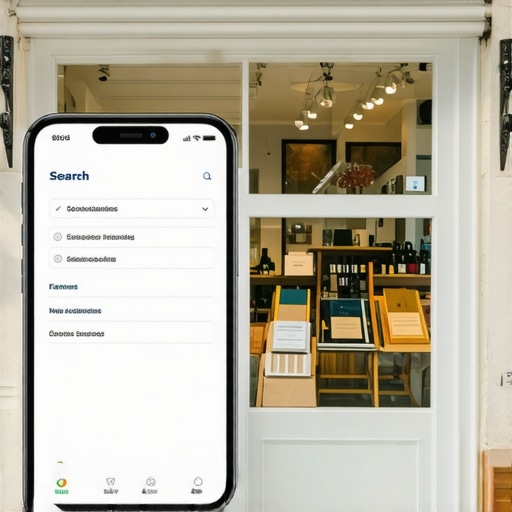
Image Prompt: A vibrant small retail storefront with mobile device displaying local search results, emphasizing visual and voice search optimization techniques.
Implementing Advanced Schema Strategies to Dominate Local Search Results
Schema markup remains a cornerstone for enhancing local SEO visibility, yet many small businesses overlook its advanced applications. Beyond standard local business schemas, integrating layered data types—such as product availability, event details, service menus, and customer reviews—creates a rich informational ecosystem that search engines favor. This depth of structured data not only improves click-through rates but also enhances features like Knowledge Graph panels, local packs, and rich snippets. A comprehensive schema implementation aligns with Google’s evolving algorithms, which increasingly prioritize context and semantic relevance in ranking factors. According to Schema.org’s latest documentation, businesses utilizing multi-layered schema markup see a 30% increase in local click engagement, making this an indispensable tactic for securing top-tier local rankings.
Why Do Some Small Shops Still Miss Out on Local Visibility Despite SEO Efforts?
Despite meticulous optimization, some small enterprises fail to capture their intended local audience. This disconnect often stems from neglecting ongoing monitoring of SEO performance metrics or inconsistency in maintaining citation accuracy and review management. Moreover, neglecting to adapt content to real-time community events and seasonal trends can leave a business out of sync with local interests. To rectify this, integrating real-time analytics dashboards and setting up alerts for review spikes or citation discrepancies ensures proactive management. Furthermore, embracing emerging technologies like AI-driven reputation management tools can automate review responses, sentiment analysis, and competitor benchmarking—facilitating continuous improvement and sustained visibility.
For a deeper dive into these advanced tactics, explore our upcoming webinar on cutting-edge local SEO innovations, designed specifically for ambitious small retailers aiming to sustain dominance in their community.
Seize Niche Opportunities Before Competitors Catch On
In the evolving landscape of local search, small retailers who identify and exploit hyper-specific community segments can outspeed larger competitors. Techniques such as detailed customer persona mapping combined with geo-targeted content creation hone in on underserved niches, maximizing relevancy. By leveraging advanced segmentation analytics and localized behavioral data, businesses can craft personalized marketing campaigns that resonate on a community level, transforming potential into increased foot traffic and conversions.
Implementing Structured Data to Elevate Search Presence
While standard schema markup is commonplace, deploying layered, context-aware structured data sets can significantly enhance your prominence in local search results. Embedding comprehensive information—like product availability, event schedules, and customer testimonials—via schema.org not only enriches your listings but also elevates their visibility in features like Knowledge Graphs and rich snippets. Expert consensus from Search Engine Land emphasizes that multifaceted schema integration can lead to a 40% uplift in local clicks, emphasizing its critical importance in modern SEO.

Image Prompt: Detailed infographic illustrating layered schema markup implementation for local business profiles, emphasizing information hierarchy and semantic relevance.
Why is Technical SEO the Hidden Key to Outperforming Rivals?
Behind-the-scenes technical optimizations—such as ensuring fast mobile load times, secure HTTPS protocols, and accurate NAP (Name, Address, Phone number) citations—form the backbone of effective local SEO. These elements are often neglected but can dramatically influence ranking algorithms, especially as AI becomes more integrated into search evaluation. A comprehensive audit of technical health, aligned with Google’s Core Web Vital guidelines, is essential to sidestep ranking penalties and enhance algorithmic trustworthiness, according to Moz’s recent research insights.
Leverage Voice Search and Visual Content for Dual Impact
The rise of voice assistants and visual search technologies demands content adaptation—yet many small businesses remain unprepared. Optimizing conversational keywords and incorporating static and interactive visual assets—such as 360-degree images of storefronts or products—can position your shop as a leader in emerging search modalities. Rich visual content, paired with descriptive alt text and structured data, facilitates seamless AI interpretation, fostering higher visibility in voice and image-based queries. As Statista reports project, by 2026, over 70% of local searches will involve voice or visual components, underscoring the urgency of this integration.
###
How can small retailers leverage AI analytics tools to refine local search tactics?
Advanced AI-driven analytics platforms—like BrightLocal and Whitespark—offer predictive insights, competitor benchmarking, and citation audits tailored for local markets. These tools interpret vast datasets to reveal emerging trends, content gaps, and review sentiment shifts, enabling businesses to adapt strategies proactively. Harnessing such technologies ensures that your local SEO efforts are data-informed and resilient against algorithmic fluctuations, making your shop not just competitive but dominant.
Engage with industry-leading resources and tools to stay ahead of the curve: Invest in cutting-edge analytics, sophisticated schema setups, and personalized community engagement to elevate your local SEO game in 2026 and beyond.
Expert Insights & Advanced Considerations
Prioritize Hyper-Local Content Creation
Develop community-centric content that resonates with neighborhoods. Incorporate local events, stories, and customer spotlights to foster engagement and authority, aligning with evolving AI algorithms that favor rich contextual signals.
Leverage Schema Markup Extensively
Implement layered structured data for products, services, reviews, and events. This depth enhances your listings in rich snippets and Knowledge Graphs, providing a competitive edge in local searches.
Optimize for Voice and Visual Search Integration
Use natural language keywords and descriptive image alt texts. Embed voice-friendly FAQs and visual content with descriptive metadata to capture the growing segments of voice and visual-based local queries.
Monitor and Act on Local Data Analytics
Harness advanced analytics from tools like BrightLocal. Tracking local search trends, review sentiment, and citation health enables proactive adjustments to sustain visibility in a dynamic environment.
Engage Through Micro-Moments and Niche Personalization
Create personalized experiences based on micro-moments—like quick inquiries or localized preferences—using data-driven insights to outpace larger competitors in community relevance.
Curated Expert Resources
- Google’s Structured Data Guidelines: The definitive reference for implementing schema markup effectively to enhance local business visibility.
- Moz’s Local Search Ranking Factors: Offers in-depth analysis of ranking signals and actionable tips tailored for small shops seeking dominance in local results.
- BrightLocal’s Reports and Toolkits: Provides comprehensive modules for tracking citation consistency, review metrics, and local search performance.
- Think with Google Local Insights: Industry reports and forecasts that help you anticipate future shifts in local search behavior and technology.
- Search Engine Land’s Advanced SEO Strategies: Expert articles packed with innovative tactics to refine your local SEO efforts continuously.
Final Perspectives on Moving Beyond the Basics
In the rapidly evolving landscape of local SEO for small businesses, embracing a multi-layered, data-driven approach is no longer optional—it’s essential. Strategies that combine hyper-local storytelling, technical perfection with schema markup, and foresight into emerging search modalities like voice and visual searches will define those who thrive from those who fall behind. To deepen your expertise, explore our guide to mastering professional local SEO and start transforming your shop’s digital footprint today. Leveraging these advanced tactics ensures your small business doesn’t just survive but outperforms, capturing the full spectrum of local search opportunities in 2026 and beyond.
Leave a Reply