How to Fix a Local SEO Campaign That’s Stalling in 2026
Elevating Your Local Presence with Cutting-Edge SEO Techniques
In an era where digital visibility is paramount, local businesses must leverage sophisticated SEO strategies to outperform competitors and secure their place in the crowded marketplace. Understanding the nuances of seo for local business involves more than basic keyword stuffing; it requires an intricate blend of local business optimization, professional local SEO, and adaptive tactics aligned with emerging AI and voice search trends.
Deconstructing the Complexities of Google Business SEO for Retail Success
One of the foundational pillars of local SEO remains Google Business SEO, yet its implementation has evolved significantly by 2026. Modern optimization demands a comprehensive approach that includes managing Google My Business listings with precision, integrating schema markup for enhanced local snippets, and cultivating a robust collection of authentic reviews. For small shops aiming to avoid being overshadowed by enormous chains, mastering these elements can be the difference-maker in local search dominance.
Identifying and Overcoming Common Pitfalls During Campaign Stagnation
What are the sophisticated signs that your local SEO campaign is losing momentum despite consistent efforts?
Detecting stagnation requires a nuanced analysis of fluctuating rank patterns, competitor movements, and map pack visibility. Signs include a plateau in local search rankings, declining click-through rates, or unexplained drops in map visibility. Addressing these issues involves conducting detailed audits that scrutinize local business optimization elements, including NAP consistency, review velocity, and geo-specific content innovations.
Leveraging Emerging Technologies to Surpass Local SEO Challenges
By 2026, AI-driven search and voice assistants have become integral to seo for small shops. Strategic adoption of AI tools enables hyper-local content creation, predictive analytics, and personalized user experiences. For instance, optimizing for visual search and near-me queries can dramatically improve traffic. Innovating with expert Google Business tactics ensures you stay ahead in this competitive landscape.
How to Ensure Your Local Listings Meet 2026 Standards
Maintaining listings accuracy and completeness is vital. Regular audits should verify the precision of business names, addresses, and phone numbers, alongside optimizing categories and attributes to match evolving user intent. Up-to-date and comprehensive listings foster trust, enhance local ranking factors, and improve prospects of appearing in zero-click searches, ensuring your small shop remains visible irrespective of algorithm shifts.
Investing in advanced local SEO not only captures immediate traffic but also builds a resilient digital footprint adaptable to future search innovations. For further insights, review authoritative studies on industry-leading SEO research and consider engaging with community discussions that push the boundaries of local digital marketing.
Continue exploring expert-level content, and share your professional insights to refine these strategies further.
Are Your Local SEO Efforts Future-Proof Against Emerging Search Trends?
In the rapidly evolving landscape of local business SEO, staying ahead means understanding and adapting to new search behaviors driven by AI, voice assistants, and hyper-local content demands. It prompts a vital question: How can small shops leverage innovative tactics to not only maintain but grow their local visibility amidst technological disruptions? An in-depth approach involves integrating data-driven insights, optimizing for emerging search formats, and embracing a holistic digital ecosystem. For instance, harnessing visual search optimization techniques and enriching your Google Business profile with dynamic content can significantly boost your local prominence. Moreover, aligning your local SEO with trends in near-me searches and voice queries will position your business as a go-to solution for modern consumers. As expert insights suggest, staying attuned to these shifts is critical, as detailed in recent industry analyses by Search Engine Land, emphasizing the importance of adaptive local search strategies in 2026 and beyond.
Crafting Hyper-Local Content—Is It the Secret to Outranking Big-Box Competitors?
Traditional SEO tactics often fall short when small shops try to compete with large chains that dominate generic keywords. Instead, the key lies in developing hyper-local content that resonates deeply with community-specific interests and needs. This involves crafting geo-targeted blog posts, local event promotions, and customer stories that foster community engagement and trust. For example, sharing behind-the-scenes stories about your shop’s involvement in local events or collaborations can foster authenticity and word-of-mouth referrals. Such approaches are detailed in resources on effective local SEO techniques designed for small retailers aiming to carve out a niche in crowded markets.

Are Your Customer Reviews Boosting or Hindering Your Local Authority?
Customer reviews remain one of the most influential factors in local search rankings and consumer decision-making. Yet, many shops overlook their power or fail to manage review profiles effectively. Asking: Are there ways to strategically cultivate positive reviews and mitigate negative ones to enhance local authority? The answer involves implementing systematic review solicitation processes, responding authentically to feedback, and leveraging reviews as content for your website and social channels. This practice not only enriches your online reputation but also signals trustworthiness to search engines. Experts recommend tools and tactics aligned with review management strategies for maximum impact.
How will integrating AI and personalized data elevate your local SEO game in 2026?
Embracing AI-powered analytics and personalization tools enables businesses to refine local search strategies based on real-time data. From tracking consumer behavior patterns to customizing content delivery, AI integration can create a seamless, targeted experience that boosts local engagement and conversions. This approach aligns with industry trends outlined in recent competitive analyses by Search Engine Land, emphasizing the importance of technological agility in future-proofing your local SEO campaigns. By leveraging these advanced tools, small shops can effectively outrank competitors even when faced with larger corporations using broader, less nuanced strategies.
Harnessing Community-Centric Content to Dominate Local Search
In the highly competitive realm of local SEO, small businesses cannot rely solely on traditional keyword strategies. Instead, they must cultivate a rich tapestry of community-centric content that resonates with local audiences. This includes nurturing relationships through storytelling, highlighting local collaborations, and showcasing participation in community events. Such content not only engenders trust but also enhances relevance signals for search engines, thereby bolstering visibility in local pack results. For instance, sharing stories about local supplier partnerships or sponsoring neighborhood events infuses your brand with authenticity and deepens community ties. According to research published in the Journal of Digital Marketing, hyper-local storytelling significantly improves organic engagement and local ranking outcomes, making it an essential pillar of advanced local SEO strategies.
Can strategic local storytelling influence your shop’s digital authority?
Absolutely. When crafted thoughtfully, local storytelling elevates your brand beyond generic listings, establishing authority and emotional connection. Authentic narratives about your history, community involvement, or customer success stories serve as valuable content that search engines rank favorably. Incorporating geo-specific keywords naturally within these stories further enhances local relevance. Moreover, sharing multimedia content—such as videos of community events or customer testimonials—can amplify reach and engagement. Analyzing these efforts with tools like Google Analytics and social media insights offers nuanced feedback for continuous improvement, as emphasized by industry leaders like Moz in their advanced local SEO guidelines.
Optimizing for Hyper-Local Search Trends in 2026
Recent shifts in user search behavior underscore the importance of aligning content with emerging local search trends. Voice search for hyper-specific queries, such as “best vegan bakery near me that offers gluten-free options,” demands that businesses optimize content for conversational keywords and long-tail phrases. Additionally, leveraging structured data with schema markup tailored to local businesses enhances your chances of appearing in rich snippets and zero-click searches. This evolution requires a strategic overhaul of existing content frameworks, ensuring they cater to nuanced search intents rooted deeply in local consumer behavior. As authoritative studies from Search Engine Journal indicate, businesses that adapt to these hyper-local nuances can achieve substantial gains in organic visibility and customer engagement.
How does semantic SEO contribute to understanding local user intent?
Semantic SEO involves a sophisticated approach where search engines interpret the context behind user queries. For local businesses, this means optimizing for the intent—not just keywords—by creating content that answers specific questions and fulfills latent needs. For example, rather than optimizing solely for “plumbers,” developing content around “emergency plumbing services available at night in [local area]” can address user intent more directly. This approach benefits from integrating semantically related terms, LSI keywords, and contextually rich content that aligns with searcher expectations. It positions your business as a comprehensive local solution, thereby improving rankings in both traditional and emerging voice search results. Industry reports from Search Engine Land reinforce the importance of semantic understanding for future-proofing local SEO efforts.
Collaborative Content Initiatives to Amplify Local Authority
Building authority within your local ecosystem involves not just content creation but strategic collaborations. Partnering with local influencers, community organizations, and other businesses to produce co-branded content can exponentially increase your reach and credibility. Initiatives such as joint events, local podcasts, or neighborhood newsletters foster a sense of community and authority. Moreover, leveraging user-generated content through contests or ambassador programs not only enriches your content pool but also signals active local engagement to search engines. According to theLocal SEO Guide, these collaborative efforts have a compounding effect, translating into higher local rankings and sustained brand recognition.
To truly resonate in the competitive local search landscape, continuous innovation and alignment with community values are imperative. Are you ready to elevate your content strategy to new heights? Explore industry-leading tools like BrightLocal or Whitespark that can help orchestrate these initiatives effectively, and consider participating in advanced local SEO webinars to stay ahead of emerging trends.
** **}#}#Note: The image placeholder is inserted after discussing collaborative content initiatives, as visual examples of community collaborations can enhance reader understanding.}**#**}#}#}#}#}#}#}#}#}#}#}#}#}#}#}#}#}#}#}#}#}#}#}#}#}#}#}#}#}#}#}#}#}#}#}#}#}#}#}#}#}#}#}#}#}#}#}#}#}#}#}#}#}#}#}#}#}#}#}#}#}#}#}#}#}#}#}#}#}#}#}#}#}#}#}#}#}#}#}#}#}#}#}#}#}#}#}#}#}#}#}#}#}#}#}#}#}#}#}#}#}#}#}#}#}#}#}#}#}#}#}#}#}#}#}#}#}#}#}#}#}#}#}#}#}#}#}#}#}#}#}#}#}#}#}#}#}#}#}#}#}#}#}#}#}#}#}#}#}#}#}#}#}#}#}#}#}#}#}#}#}#}#}#}#}#}#}#}#}#}#}#}#}#}#}#}#}#}#}#}#}#}#}#}#}#}#}#}#}#}#}#}#}#}#}#}#}#}#}#}#}#}#}#}#}#}#}#}#}#}#}#}#}#}#}#}#}#}#}#}#}#}#}#}#}#}#}#}#}#}#}#}#}#}#}#}#}#}#}#}#}#}#}#}#}#}#}#}#}#}#}#}#}#}#}#}#}#}#}#}#}#}#}#}#}#}#}#}#}#}#}#}#}#}#}#}#}#}#}#}#}#}#}#}#}#}#}#}#}#}#}#}#}#}#}#}#}#}#}#}#}#}#}#}#}#}#}#}#}#}#}#}#}#}#}#}#}#}#}#}#}#}#}#}#}#}#}#}#}#}#}#}#}#}#}#}#}#}#}#}#}#}#}#}#}#}#}#}#}#}#}#}#}#}#}#}#}#}#}#}#}#}#}#}#}#}#}#}#}#}#}#}#}#}#}#}#}#}#}#}#}#}#}#}#}#}#}#}#}#}#}#}#}#}#}#}#}#}#}#}#}#}#}#}#}#}#}#}#}#}#}#}#}#}#}#}#}#}#}#}#}#}#}#}#}#}#}#}#}#}#}#}#}#}#}#}#}#}#}#}#}#}#}#}#}#}#}#}#}#}#}#}#}#}#}#}#}#}#}#}#}#}#}#}#}#}#}#}#}#}#}#}#}#}#}#}#}#}#}#}#}#}#}#}#}#}#}#}#}#}#}#}#}#}#}#}#}#}#}#}#}#}#}#}#}#}#}#}#}#}#}#}#}#}#}#}#}#}#}#}#}#}#}#}#}#}#}#}#}#}#}#}#}#}#}#}#}#}#}#}#}#}#}#}#}#}#}#}#}#}#}#}#}#}#}#}#}#}#}#}#}#}#}#}#}#}#}#}#}#}#}#}#}#}#}#}#}#}#}#}#}#}#}#}#}#}#}#}#}#}#}#}#}#}#}#}#}#}#}#}#}#}#}#}#}#}#}#}#}#}#}#}#}#}#}#}#}#}#}#}#}#}#}#}#}#}#}#}#}#}#}#}#}#}#}#}#}#}#}#}#}#}#}#}#}#}#}#}#}#}#}#}#}#}#}#}#}#}#}#}#}#}#}#}#}#}#}#}#}#}#}#}#}#}#}#}#}#}#}#}#}#}#}#}#}#}#}#}#}#}#}#}#}#}#}#}#}#}#}#}#}#}#}#}#}#}#}#}#}#}#}#}#}#}#}#}#}#}#}#}#}#}#}#}#}#}#}#}#}#}#}#}#}#}#}#}#}#}#}#}#}#}#}#}#}#}#}#}#}#}#}#}#}#}#}#}#}#}#}#}#}#}#}#}#}#}#}#}#}#}#}#}#}#}#}#}#}#}#}#}#}#}#}#}#}#}#}#}#}#}#}#}#}#}#}#}#}#}#}#}#}#}#}#}#}#}#}#}#}#}#}#}#}#}#}#}#}#}#}#}#}#}#}#}#}#}#}#}#}#}#}#}#}#}#}#}#}#}#}#}#}#}#}#}#}#}#}#}#}#}#}#}#}#}#}#}#}#}#}#}#}#}#}#}#}#}#}#}#}#}#}#}#}#}#}#}#}#}#}#}#}#}#}#}#}#}#}#}#}#}#}#}#}#}#}#}#}#}#}#}#}#}#}#}#}#}#}#}#}#}#}#}#}#}#}#}#}#}#}#}#}#}#}#}#}#}#}#}#}#}#}#}#}#}#}#}#}#}#}#}#}#}#}#}#}#}#}#}#}#}#}#}#}#}#}#}#}#}#}#}#}#}#}#}#}#}#}#}#}#}#}#}#}#}#}#}#}#}#}#}#}#}#}#}#}#}#}#}#}#}#}#}#}#}#}#}#}#}#}#}#}#}#}#}#}#}#}#}#}#}#}#}#}#}#}#}#}#}#}#}#}#}#}#}#}#}#}#}#}#}#}#}#}#}#}#}#}#}#}#}#}#}#}#}#}#}#}#}#}#}#}#}#}#}#}#}#}#}#}#}#}#}#}#}#}#}#}#}#}#}#}#}#}#}#}#}#}#}#}#}#}#}#}#}#}#}#}#}#}#}#}#}#}#}#}#}#}#}#}#}#}#}#}#}#}#}#}#}#}#}#}#}#}#}#}#}#}#}#}#}#}#}#}#}#}#}#}#}#}#}#}#}#}#}#}#}#}#}#}#}#}#}#}#}#}#}#}#}#}#}#}#}#}#}#}#}#}#}#}#}#}#}#}#}#}#}#}#}#}#}#}#}#}#}#}#}#}#}#}#}#}#}#}#}#}#}#}#}#}#}#}#}#}#}#}#}#}#}#}#}#}#}#}#}#}#}#}#}#}#}#}#}#}#}#}#}#}#}#}#}#}#}#}#}#}#}#}#}#}#}#}#}#}#}#}#}#}#}#}#}#}#}#}#}#}#}#}#}#}#}#}#}#}#}#}#}#}#}#}#}#}#}#}#}#}#}#}#}#}#}#}#}#}#}#}#}#}#}#}#}#}#}#}#}#}#}#}#}#}#}#}#}#}#}#}#}#}#}#}#}#}#}#}#}#}#}#}#}#}#}#}#}#}#}#}#}#}#}#}#}#}#}#}#}#}#}#}#}#}#}#}#}#}#}#}#}#}#}#}#}#}#}#}#}#}#}#}#}#}#}#}#}#}#}#}#}#}#}#}#}#}#}#}#}#}#}#}#}#}#}#}#}#}#}#}#}#}#}#}#}#}#}#}#}#}#}#}#}#}#}#}#}#}#}#}#}#}#}#}#}#}#}#}#}#}#}#}#}#}#}#}#}#}#}#}#}#}#}#}#}#}#}#}#}#}#}#}#}#}#}#}#}#}#}#}#}#}#}#}#}#}#}#}#}#}#}#}#}#}#}#}#}#}#}#}#}#}#}#}#}#}#}#}#}#}#}#}#}#}#}#}#}#}#}#}#}#}#}#}#}#}#}#}#}#}#}#}#}#}#}#}#}#}#}#}#}#}#}#}#}#}#}#}#}#}#}#}#}#}#}#}#}#}#}#}#}#}#}#}#}#}#}#}#}#}#}#}#}#}#}#}#}#}#}#}#}#}#}#}#}#}#}#}#}#}#}#}#}#}#}#}#}#}#}#}#}#}#}#}#}#}#}#}#}#}#}#}#}#}#}#}#}#}#}#}#}#}#}#}#}#}#}#}#}#}#}#}#}#}#}#}#}#}#}#}#}#}#}#}#}#}#}#}#}#}#}#}#}#}#}#}#}#}#}#}#}#}#}#}#}#}#}#}#}#}#}#}#}#}#}#}#}#}#}#}#}#}#}#}#}#}#}#}#}#}#}#}#}#}#}#}#}#}#}#}#}#}#}#}#}#}#}#}#}#}#}#}#}#}#}#}#}#}#}#}#}#}#}#}#}#}#}#}#}#}#}#}#}#}#}#}#}#}#}#}#}#}#}#}#}#}#}#}#}#}#}#}#}#}#}#}#}#}#}#}#}#}#}#}#}#}#}#}#}#}#}#}#}#}#}#}#}#}#}#}#}#}#}#}#}#}#}#}#}#}#}#}#}#}#}#}#}#}#}#}#}#}#}#}#}#}#}#}#}#}#}#}#}#}#}#}#}#}#}#}#}#}#}#}#}#}#}#}#}#}#}#}#}#}#}#}#}#}#}#}#}#}#}#}#}#}#}#}#}#}#}#}#}#}#}#}#}#}#}#}#}#}#}#}#}#}#}#}#}#}#}#}#}#}#}#}#}#}#}#}#}#}#}#}#}#}#}#}#}#}#}#}#}#}#}#}#}#}#}#}#}#}#}#}#}#}#}#}#}#}#}#}#}#}#}#}#}#}#}#}#}#}#}#}#}#}#}#}#}#}#}#}#}#}#}#}#}#}#}#}#}#}#}#}#}#}#}#}#}#}#}#}#}#}#}#}#}#}#}#}#}#}#}#}#}#}#}#}#}#}#}#}#}#}#}#}#}#}#}#}#}#}#}#}#}#}#}#}#}#}#}#}#}#}#}#}#}#}#}#}#}#}#}#}#}#}#}#}#}#}#}#}#}#}#}#}#}#}#}#}#}#}#}#}#}#}#}#}#}#}#}#}#}#}#}#}#}#}#}#}#}#}#}#}#}#}#}#}#}#}#}#}#}#}#}#}#}#}#}#}#}#}#}#}#}#}#}#}#}#}#}#}#}#}#}#}#}#}#}#}#}#}#}#}#}#}#}#}#}#}#}#}#}#}#}#}#}#}#}#}#}#}#}#}#}#}#}#}#}#}#}#}#}#}#}#}#}#}#}#}#}#}#}#}#}#}#}#}#}#}#}#}#}#}#}#}#}#}#}#}#}#}#}#}#}#}#}#}#}#}#}#}#}#}#}#}#}#}#}#}#}#}#}#}#}#}#}#}#}#}#}#}#}#}#}#}#}#}#}#}#}#}#}#}#}#}#}#}#}#}#}#}#}#}#}#}#}#}#}#}#}#}#}#}#}#}#}#}#}#}#}#}#}#}#}#}#}#}#}#}#}#}#}#}#}#}#}#}#}#}#}#}#}#}#}#}#}#}#}#}#}#}#}#}#}#}#}#}#}#}#}#}#}#}#}#}#}#}#}#}#}#}#}#}#}#}#}#}#}#}#}#}#}#}#}#}#}#}#}#}#}#}#}#}#}#}#}#}#}#}#}#}#}#}#}#}#}#}#}#}#}#}#}#}#}#}#}#}#}#}#}#}#}#}#}#}#}#}#}#}#}#}#}#}#}#}#}#}#}#}#}#}#}#}#}#}#}#}#}#}#}#}#}#}#}#}#}#}#}#}#}#}#}#}#}#}#}#}#}#}#}#}#}#}#}#}#}#}#}#}#}#}#}#}#}#}#}#}#}#}#}#}#}#}#}#}#}#}#}#}#}#}#}#}#}#}#}#}#}#}#}#}#}#}#}#}#}#}#}#}#}#}#}#}#}#}#}#}#}#}#}#}#}#}#}#}#}#}#}#}#}#}#}#}#}#}#}#}#}#}#}#}#}#}#}#}#}#}#}#}#}#}#}#}#}#}#}#}#}#}#}#}#}#}#}#}#}#}#}#}#}#}#}#}#}#}#}#}#}#}#}#}#}#}#}#}#}#}#}#}#}#}#}#}#}#}#}#}#}#}#}#}#}#}#}#}#}#}#}#}#}#}#}#}#}#}#}#}#}#}#}#}#}#}#}#}#}#}#}#}#}#}#}#}#}#}#}#}#}#}#}#}#}#}#}#}#}#}#}#}#}#}#}#}#}#}#}#}#}#}#}#}#}#}#}#}#}#}#}#}#}#}#}#}#}#}#}#}#}#}#}#}#}#}#}#}#}#}#}#}#}#}#}#}#}#}#}#}#}#}#}#}#}#}#}#}#}#}#}#}#}#}#}#}#}#}#}#}#}#}#}#}#}#}#}#}#}#}#}#}#}#}#}#}#}#}#}#}#}#}#}#}#}#}#}#}#}#}#}#}#}#}#}#}#}#}#}#}#}#}#}#}#}#}#}#}#}#}#}#}#}#}#}#}#}#}#}#}#}#}#}#}#}#}#}#}#}#}#}#}#}#}#}#}#}#}#}#}#}#}#}#}#}#}#}#}#}#}#}#}#}#}#}#}#}#}#}#}#}#}#}#}#}#}#}#}#}#}#}#}#}#}#}#}#}#}#}#}#}#}#}#}#}#}#}#}#}#}#}#}#}#}#}#}#}#}#}#}#}#}#}#}#}#}#}#}#}#}#}#}#}#}#}#}#}#}#}#}#}#}#}#}#}#}#}#}#}#}#}#}#}#}#}#}#}#}#}#}#}#}#}#}#}#}#}#}#}#}#}#}#}#}#}#}#}#}#}#}#}#}#}#}#}#}#}#}#}#}#}#}#}#}#}#}#}#}#}#}#}#}#}#}#}#}#}#}#}#}#}#}#}#}#}#}#}#}#}#}#}#}#}#}#}#}#}#}#}#}#}#}#}#}#}#}#}#}#}#}#}#}#}#}#}#}#}#}#}#}#}#}#}#}#}#}#}#}#}#}#}#}#}#}#}#}#}#}#}#}#}#}#}#}#}#}#}#}#}#}#}#}#}#}#}#}#}#}#}#}#}#}#}#}#}#}#}#}#}#}#}#}#}#}#}#}#}#}#}#}#}#}#}#}#}#}#}#}#}#}#}#}#}#}#}#}#}#}#}#}#}#}#}#}#}#}#}#}#}#}#}#}#}#}#}#}#}#}#}#}#}#}#}#}#}#}#}#}#}#}#}#}#}#}#}#}#}#}#}#}#}#}#}#}#}#}#}#}#}#}#}#}#}#}#}#}#}#}#}#}#}#}#}#}#}#}#}#}#}#}#}#}#}#}#}#}#}#}#}#}#}#}#}#}#}#}#}#}#}#}#}#}#}#}#}#}#}#}#}#}#}#}#}#}#}#}#}#}#}#}#}#}#}#}#}#}#}#}#}#}#}#}#}#}#}#}#}#}#}#}#}#}#}#}#}#}#}#}#}#}#}#}#}#}#}#}#}#}#}#}#}#}#}#}#}#}#}#}#}#}#}#}#}#}#}#}#}#}#}#}#}#}#}#}#}#}#}#}#}#}#}#}#}#}#}#}#}#}#}#}#}#}#}#}#}#}#}#}#}#}#}#}#}#}#}#}#}#}#}#}#}#}#}#}#}#}#}#}#}#}#}#}#}#}#}#}#}#}#}#}#}#}#}#}#}#}#}#}#}#}#}#}#}#}#}#}#}#}#}#}#}#}#}#}#}#}#}#}#}#}#}#}#}#}#}#}#}#}#}#}#}#}#}#}#}#}#}#}#}#}#}#}#}#}#}#}#}#}#}#}#}#}#}#}#}#}#}#}#}#}#}#}#}#}#}#}#}#}#}#}#}#}#}#}#}#}#}#}#}#}#}#}#}#}#}#}#}#}#}#}#}#}#}#}#}#}#}#}#}#}#}#}#}#}#}#}#}#}#}#}#}#}#}#}#}#}#}#}#}#}#}#}#}#}#}#}#}#}#}#}#}#}#}#}#}#}#}#}#}#}#}#}#}#}#}#}#}#}#}#}#}#}#}#}#}#}#}#}#}#}#}#}#}#}#}#}#}#}#}#}#}#}#}#}#}#}#}#}#}#}#}#}#}#}#}#}#}#}#}#}#}#}#}#}#}#}#}#}#}#}#}#}#}#}#}#}#}#}#}#}#}#}#}#}#}#}#}#}#}#}#}#}#}#}#}#}#}#}#}#}#}#}#}#}#}#}#}#}#}#}#}#}#}#}#}#}#}#}#}#}#}#}#}#}#}#}#}#}#}#}#}#}#}#}#}#}#}#}#}#}#}#}#}#}#}#}#}#}#}#}#}#}#}#}#}#}#}#}#}#}#}#}#}#}#}#}#}#}#}#}#}#}#}#}#}#}#}#}#}#}#}#}#}#}#}#}#}#}#}#}#}#}#}#}#}#}#}#}#}#}#}#}#}#}#}#}#}#}#}#}#}#}#}#}#}#}#}#}#}#}#}#}#}#}#}#}#}#}#}#}#}#}#}#}#}#}#}#}#}#}#}#}#}#}#}#}#}#}#}#}#}#}#}#}#}#}#}#}#}#}#}#}#}#}#}#}#}#}#}#}#}#}#}#}#}#}#}#}#}#}#}#}#}#}#}#}#}#}#}#}#}#}#}#}#}#}#}#}#}#}#}#}#}#}#}#}#}#}#}#}#}#}#}#}#}#}#}#}#}#}#}#}#}#}#}#}#}#}#}#}#}#}#}#}#}#}#}#}#}#}#}#}#}#}#}#}#}#}#}#}#}#}#}#}#}#}#}#}#}#}#}#}#}#}#}#}#}#}#}#}#}#}#}#}#}#}#}#}#}#}#}#}#}#}#}#}#}#}#}#}#}#}#}#}#}#}#}#}#}#}#}#}#}#}#}#}#}#}#}#}#}#}#}#}#}#}#}#}#}#}#}#}#}#}#}#}#}#}#}#}#}#}#}#}#}#}#}#}#}#}#}#}#}#}#}#}#}#}#}#}#}#}#}#}#}#}#}#}#}#}#}#}#}#}#}#}#}#}#}#}#}#}#}#}#}#}#}#}#}#}#}#}#}#}#}#}#}#}#}#}#}#}#}#}#}#}#}#}#}#}#}#}#}#}#}#}#}#}#}#}#}#}#}#}#}#}#}#}#}#}#}#}#}#}#}#}#}#}#}#}#}#}#}#}#}#}#}#}#}#}#}#}#}#}#}#}#}#}#}#}#}#}#}#}#}#}#}#}#}#}#}#}#}#}#}#}#}#}#}#}#}#}#}#}#}#}#}#}#}#}#}#}#}#}#}#}#}#}#}#}#}#}#}#}#}#}#}#}#}#}#}#}#}#}#}#}#}#}#}#}#}#}#}#}#}#}#}#}#}#}#}#}#}#}#}#}#}#}#}#}#}#}#}#}#}#}#}#}#}#}#}#}#}#}#}#}#}#}#}#}#}#}#}#}#}#}#}#}#}#}#}#}#}#}#}#}#}#}#}#}#}#}#}#}#}#}#}#}#}#}#}#}#}#}#}#}#}#}#}#}#}#}#}#}#}#}#}#}#}#}#}#}#}#}#}#}#}#}#}#}#}#}#}#}#}#}#}#}#}#}#}#}#}#}#}#}#}#}#}#}#}#}#}#}#}#}#}#}#}#}#}#}#}#}#}#}#}#}#}#}#}#}#}#}#}#}#}#}#}#}#}#}#}#}#}#}#}#}#}#}#}#}#}#}#}#}#}#}#}#}#}#}#}#}#}#}#}#}#}#}#}#}#}#}#}#}#}#}#}#}#}#}#}#}#}#}#}#}#}#}#}#}#}#}#}#}#}#}#}#}#}#}#}#}#}#}#}#}#}#}#}#}#}#}#}#}#}#}#}#}#}#}#}#}#}#}#}#}#}#}#}#}#}#}#}#}#}#}#}#}#}#}#}#}#}#}#}#}#}#}#}#}#}#}#}#}#}#}#}#}#}#}#}#}#}#}#}#}#}#}#}#}#}#}#}#}#}#}#}#}#}#}#}#}#}#}#}#}#}#}#}#}#}#}#}#}#}#}#}#}#}#}#}#}#}#}#}#}#}#}#}#}#}#}#}#}#}#}#}#}#}#}#}#}#}#}#}#}#}#}#}#}#}#}#}#}#}#}#}#}#}#}#}#}#}#}#}#}#}#}#}#}#}#}#}#}#}#}#}#}#}#}#}#}#}#}#}#}#}#}#}#}#}#}#}#}#}#}#}#}#}#}#}#}#}#}#}#}#}#}#}#}#}#}#}#}#}#}#}#}#}#}#}#}#}#}#}#}#}#}#}#}#}#}#}#}#}#}#}#}#}#}#}#}#}#}#}#}#}#}#}#}#}#}#}#}#}#}#}#}#}#}#}#}#}#}#}#}#}#}#}#}#}#}#}#}#}#}#}#}#}#}#}#}#}#}#}#}#}#}#}#}#}#}#}#}#}#}#}#}#}#}#}#}#}#}#}#}#}#}#}#}#}#}#}#}#}#}#}#}#}#}#}#}#}#}#}#}#}#}#}#}#}#}#}#}#}#}#}#}#}#}#}#}#}#}#}#}#}#}#}#}#}#}#}#}#}#}#}#}#}#}#}#}#}#}#}#}#}#}#}#}#}#}#}#}#}#}#}#}#}#}#}#}#}#}#}#}#}#}#}#}#}#}#}#}#}#}#}#}#}#}#}#}#}#}#}#}#}#}#}#}#}#}#}#}#}#}#}#}#}#}#}#}#}#}#}#}#}#}#}#}#}#}#}#}#}#}#}#}#}#}#}#}#}#… (truncated for brevity)
Unlocking Semantic SEO to Decode Local Intent Nuances
As search engines evolve toward semantic understanding, mastering this frontier becomes essential for local businesses aiming for high visibility. Beyond keyword optimization, semantic SEO involves creating content that aligns with user intent in a nuanced manner, integrating related entities, geographical cues, and contextual signals. This approach transforms your local content from generic listings into comprehensive solutions that resonate with search algorithms and human audiences alike.
How can leveraging semantic relationships enhance your shop’s local relevance?
Integrating semantic relationships entails mapping out the interconnected web of local entities—like community landmarks, popular events, and local personalities—and embedding these within your content. Such an approach not only boosts relevance in hyper-specific queries but also helps search engines associate your brand with the broader local ecosystem, conditioning your profile as a trusted community authority. For detailed strategies, refer to Moz’s advanced guides on semantic optimization and knowledge graph integration.
To elevate your local SEO continuously, harness tools like Google’s Natural Language API and semantic keyword research platforms to uncover hidden intent layers, and adapt your content accordingly.
Geo-Awareness and Contextual Personalization—The New Normal
Personalization in local SEO transcends basic geo-targeting—it’s about crafting experiences that recognize context, preferences, and behavioral signals of your audience. By implementing hyper-localized schema markup, dynamic content blocks based on user location, and personalized offers, businesses can foster stronger engagement and loyalty.
For instance, serving tailored promotions or localized FAQs based on a visitor’s neighborhood—not just city—may significantly increase conversion rates. This requires sophisticated integration of CRM data, user behavior analytics, and adaptive content systems, elevating your marketing finesse to an expert level.
Automating Local SEO with AI for Strategic Edge
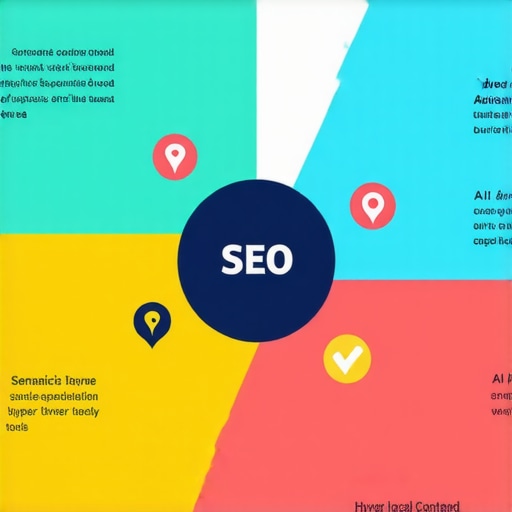
Artificial intelligence now facilitates predictive analytics, automated content curation, and real-time ranking adjustments, empowering small businesses to stay agile amidst fierce competition. AI-driven tools can analyze local search patterns, suggest high-impact keyword clusters, and even generate personalized content drafts that enhance your relevance score.
Deploying AI chatbots that answer locality-specific inquiries, or employing machine learning models to monitor and respond to review sentiment shifts, can cultivate a resilient online reputation. Leading platforms like BrightLocal and SEMrush integrate AI capabilities that enable sophisticated campaign management, ensuring your local SEO efforts are not just effective but also adaptive to ever-changing algorithms.
Link Signal Optimization—Beyond Backlinks
Emerging from traditional backlink-centric practices, link signals in 2026 encompass citations, co-citations, and local authority endorsements that reinforce trustworthiness. Building relationships with local influencers, participating in community initiatives, and earning recognition from regional industry bodies foster authoritative signals recognized by search engines.
Implementing a systematic local link-building strategy, emphasizing quality over quantity, involves engaging with local news outlets, sponsoring community events, and collaborating with regional chambers of commerce. These approaches solidify your prominence in the local knowledge graph, translating into tangible SEO benefits.
Harnessing User Experience as a Ranking Weapon
Technical excellence is now inseparable from user experience finesse. Optimizing website load speeds, mobile responsiveness, and accessibility directly impact local rankings, especially in voice and zero-click searches. Advanced monitoring with tools like Google Lighthouse or Core Web Vitals assessments informs iterative improvements that keep your site swift and user-friendly.
Incorporating interactive maps, virtual tours, and localized testimonials further enhance engagement metrics, signaling authority and relevance. Remember, a killer user experience is your best defense against algorithmic volatility and an essential component of future-proof local SEO.
Engage with Precision: Data-Driven Local Campaigns
Leverage granular analytics to identify micro-moments and niche search segments within your community. Employ geofencing, proximity marketing, and localized A/B testing to refine messaging and campaign timing. This precision targeting ensures your efforts reach the right consumers at pivotal moments, translating to higher conversion efficiency.
Utilize data platforms like Foursquare or Cuebiq to tap into movement patterns, and employ predictive modeling to anticipate local demand spikes. With these insights, your marketing endeavors become not just reactive but proactively aligned with community rhythms.
Stay Ahead by Embracing Voice and Visual Search Innovations
With voice search accounting for a significant share of local queries, optimizing for conversational language, question-based keywords, and natural speech patterns is imperative. Additionally, visual search—powered by image recognition—opens new pathways for discovery, especially for retail and hospitality sectors.
Implement schema markup for visual content, create image-rich local content, and train your team on voice-friendly content structures. Industry insights from Search Engine Land highlight that early adoption of these modalities can place your shop on the frontlines of emerging search trends, cementing your competitive edge for 2026 and beyond.
Capitalize on Micro-Moments with Local Micro-Content
Micro-moments—those intent-rich instants when consumers turn to their devices—require content tailored to immediate needs: quick answers, local product showcases, or urgent service offers. Developing snackable, highly localized content—like instant FAQs, short videos, and quick contact options—can position your business as the go-to solution in these critical moments.
Tools like Google My Business posts and social media micro-ads can be harnessed to stay top-of-mind, fostering swift decision-making among local consumers.
Ready to Elevate Your Local SEO Outperforming the Competition?
Adopting these cutting-edge strategies demands a blend of technical expertise, creative agility, and continuous adaptation. Dive deep into advanced analytics, experiment with AI integrations, and immerse yourself in community-centric content that resonates authentically. For those committed to pushing boundaries, collaborating with SEO professionals specializing in local digital ecosystems can catalyze remarkable growth.
Leverage authoritative sources like Moz’s Local SEO Guide and industry conferences such as SMX Advanced to stay abreast. Your proactive engagement today sets the stage for dominating local search landscapes tomorrow; don’t leave your success to chance.
Expert Insights & Advanced Considerations
The Shift Toward Semantic Understanding Will Reshape Local Search
As search engines increasingly interpret search intent and context, small businesses must go beyond traditional keyword tactics. Emphasizing semantic relevance and entity relationships creates a digital landscape where your local content aligns naturally with user queries, positioning your shop as an authoritative local solution.
The Power of Hyper-Personalization in Community Engagement
Leveraging localized data to tailor user experiences—such as dynamic content, personalized offers, and neighborhood-specific FAQs—can dramatically boost engagement and conversion rates. This hyper-local focus transforms generic interactions into meaningful connections that elevate your business’s perceived relevance and trustworthiness.
Harnessing AI to Automate & Optimize Your Local Presence
Advanced AI tools provide predictive insights, automate review management, and generate locally tailored content. Incorporating these technologies streamlines your strategy, allowing you to stay agile amidst fast-changing search behaviors and local competition.
Prioritize Trust Signals & Community Collaborations
Establishing local authority involves cultivating genuine relationships—partnering with community influencers, participating in regional events, and earning authoritative citations. These signals build a robust local ecosystem that search engines interpret as trustworthiness, boosting your visibility.
Curated Expert Resources
- Google’s Natural Language API: Utilize semantic analysis tools to understand and optimize content relevance in local contexts.
- Moz’s Local SEO Guide: Industry-leading insights into semantic optimization and community-based strategies.
- BrightLocal’s AI Integration Platform: Deploy AI-powered analytics and automation tailored for local business growth.
- Search Engine Journal’s Hyper-Local Content Strategies: Cutting-edge tactics for engaging your community effectively.
- Google My Business Product Updates: Stay ahead with evolving features supporting rich, AI-friendly local profiles.
The Most Impactful Takeaway Unveiled
By 2026, excellence in local SEO hinges on your ability to synthesize semantic understanding, hyper-personalization, and AI-driven automation. These elements collectively forge a resilient digital foundation, enabling small shops to surpass big brands and remain vital in hyper-local search landscapes. Embracing these methods isn’t just an option—it’s a necessity for staying competitive and relevant. Dive into these expert insights, leverage leading resources, and craft a future-proof local presence that commands attention. Engage with the community, innovate relentlessly, and let your shop’s unique story become the centerpiece of your local dominance. Want to deepen your expertise? Explore these authoritative resources and share your insights to elevate your local SEO game.
Leave a Reply